Post by : Saif Nasser
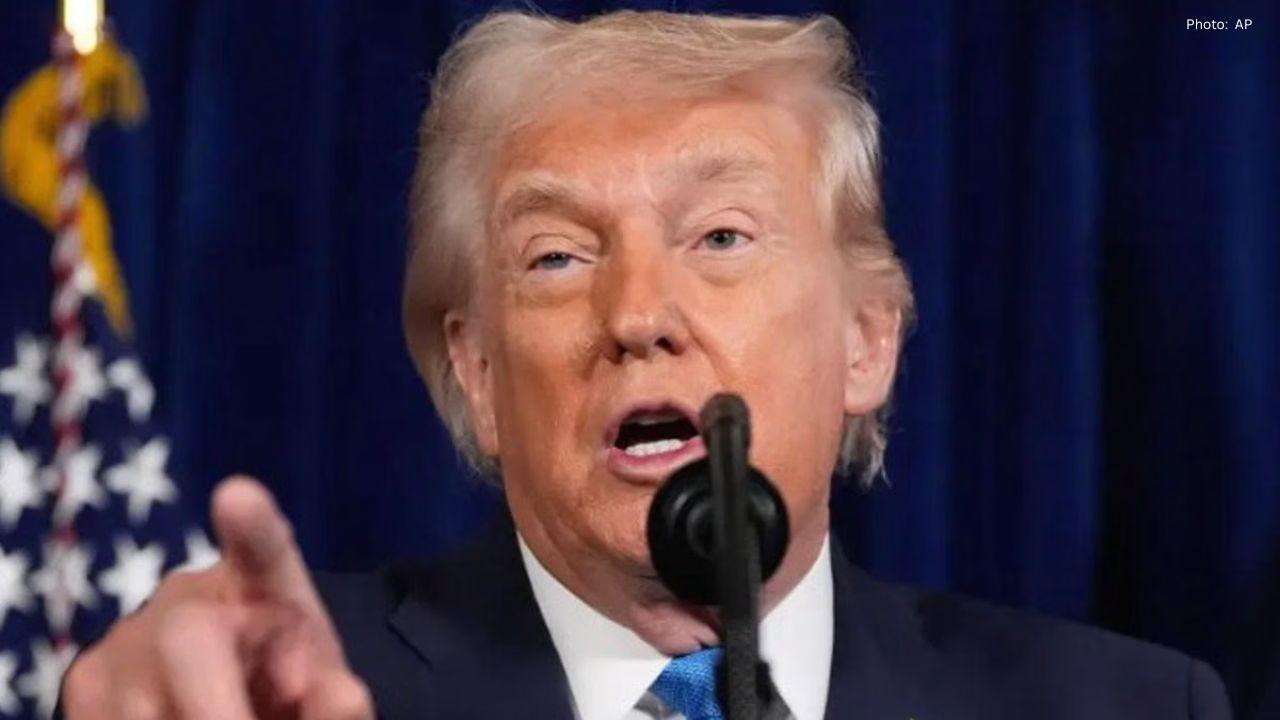
The United States is facing a delicate situation in Venezuela following its military operation that captured deposed President Nicolás Maduro and his wife. President Donald Trump has insisted that the U.S. will take control of the oil-rich country, at least temporarily, while Secretary of State Marco Rubio offered a more measured explanation, emphasizing enforcement of an existing oil quarantine.
Trump told reporters aboard Air Force One that “we’re in charge” of Venezuela and that the country will be “put back on track.” He added that opposition leader María Corina Machado does not have the support or respect needed to lead Venezuela, suggesting that Washington intends to manage the nation’s affairs directly.
Hours earlier, Rubio clarified that the U.S. would not govern Venezuela day-to-day. Instead, the administration would continue the oil embargo already in place, using it as leverage to push for changes in the country’s oil industry and to curb drug trafficking. “That’s the sort of control the president is pointing to when he says that,” Rubio explained on CBS’ Face the Nation.
In Caracas, interim Venezuelan leader Delcy Rodríguez adopted a more conciliatory stance after the military operation. She invited the United States to collaborate on an agenda of cooperation aimed at shared development and lasting peace, framing the request within international law. This is a notable shift from her earlier statements, in which she condemned the U.S. operation and called for Maduro’s release.
Despite Rodríguez’s new tone, Trump reiterated that he expects full access to Venezuela’s resources, from major oil operations to basic infrastructure. “We need access to the oil and to other things in their country that allow us to rebuild their country,” he said.
The U.S. operation in Venezuela was not without casualties. Cuban officials reported that 32 Cuban security officers were killed during the raid, a figure that Trump acknowledged. Meanwhile, Venezuela’s Supreme Court formally recognized Rodríguez as acting president.
The situation remains fluid, with Washington claiming control and Venezuela navigating the aftermath of a sudden regime change. The U.S. approach, combining military action with economic leverage through the oil quarantine, underscores a broader strategy of influencing Venezuelan policy without engaging in long-term nation-building.
Analysts caution that the operation raises serious questions about international law, sovereignty, and regional stability. While Trump and his team present the mission as a way to restore order and curb criminal activities, the real test will be whether the U.S. can maintain influence without sparking further conflict or long-term instability in Venezuela.


Mattel Revives Masters of the Universe Action Figures Ahead of Film Launch
Mattel is reintroducing Masters of the Universe figures in line with its upcoming film, tapping into
China Executes 11 Members of Criminal Clan Linked to Myanmar Scam
China has executed 11 criminals associated with the Ming family, known for major scams and human tra
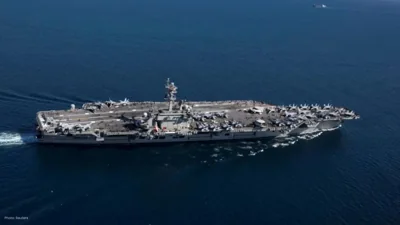
US Issues Alarm to Iran as Military Forces Deploy in Gulf Region
With a significant military presence in the Gulf, Trump urges Iran to negotiate a nuclear deal or fa

Copper Prices Reach Unprecedented Highs Amid Geopolitical Turmoil
Copper prices soar to all-time highs as geopolitical tensions and a weakening dollar boost investor

New Zealand Secures First Win Against India, Triumph by 50 Runs
New Zealand won the 4th T20I against India by 50 runs in Vizag. Despite Dube's impressive 65, India