Post by : Saif Nasser
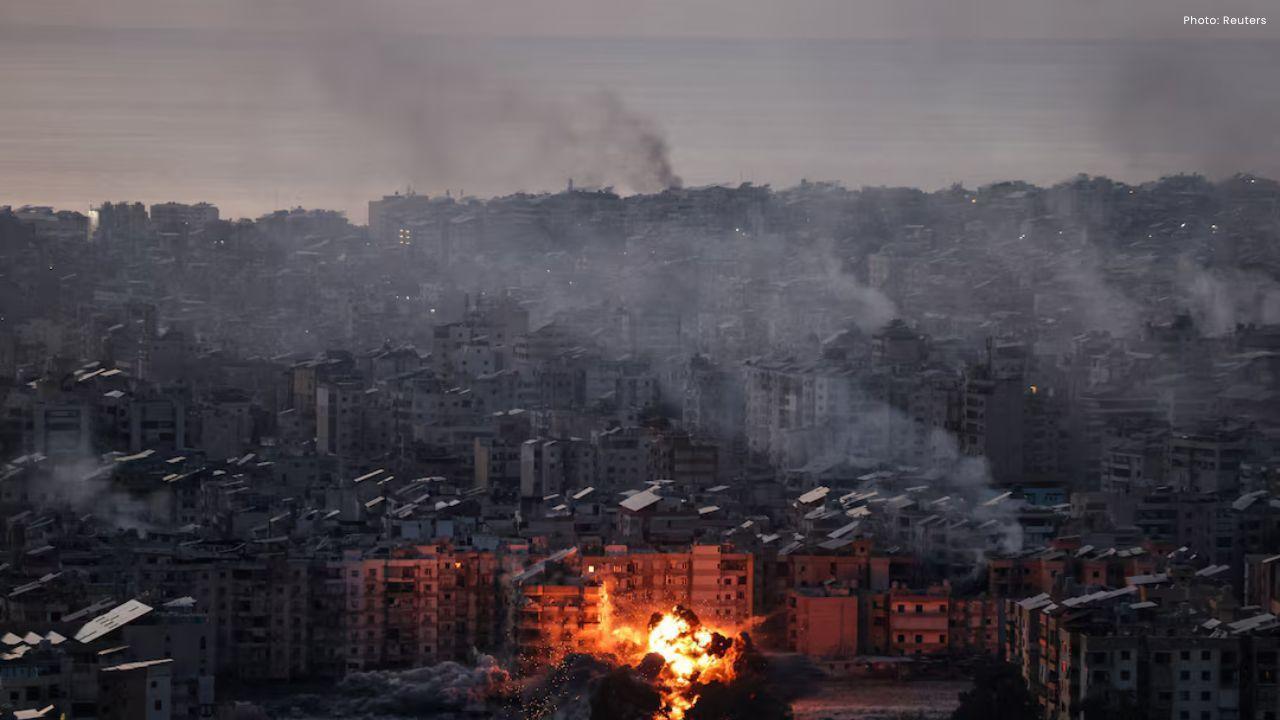
The war involving Iran, the United States, and Israel has now entered its second week, and tensions across the Middle East continue to rise. Military strikes, missile attacks, and political statements from world leaders have made the situation even more serious. One of the strongest developments came when U.S. President Donald Trump demanded what he called Iran’s “unconditional surrender.”
The conflict began after large-scale military strikes were launched by the United States and Israel against targets inside Iran. These attacks focused on military bases, missile launch sites, and other locations believed to be connected to Iran’s defense system. The goal, according to U.S. officials, was to weaken Iran’s military capabilities and reduce the threat it posed to regional security.
However, Iran quickly responded with attacks of its own. Iranian forces launched missiles and drones toward Israel and also targeted U.S. military bases in several Middle Eastern countries. These retaliatory strikes have increased fears that the conflict could spread across the region.
The fighting has already caused heavy damage and many casualties. Reports from Iranian officials say that more than 1,300 people have been killed in Iran since the beginning of the war. Thousands of others have been injured as airstrikes and explosions continue in different parts of the country.
Israel and the United States say their operations are aimed at military targets. Iran, however, has accused them of hitting civilian areas and causing unnecessary destruction. These claims are still being discussed at international forums such as the United Nations.
As the war moves into its second week, President Trump’s demand for “unconditional surrender” has become one of the most controversial parts of the crisis. He said that there would be no agreement or negotiations with Iran unless the country completely surrendered and accepted new leadership arrangements.
Iran has strongly rejected this demand. Iranian leaders say their country will not surrender and will continue defending itself against foreign attacks. Statements from Iranian officials have shown that the government is prepared for a longer conflict if necessary.
The war has also started affecting countries beyond Iran and Israel. Missiles and drones have reached parts of the Gulf region, including areas where U.S. military bases are located. Some neighboring countries have activated air defense systems to protect their cities and infrastructure.
Another serious concern is the effect on global energy markets. The Middle East produces a large share of the world’s oil, and the conflict has created fears about supply disruptions. Oil prices have already risen sharply as traders worry that shipping routes could be blocked or damaged.
International leaders are calling for calm and urging both sides to reduce tensions. Some countries have offered to help mediate negotiations in the hope of ending the conflict before it spreads further. However, with both sides continuing military operations, diplomatic solutions remain uncertain.
The conflict is also creating humanitarian concerns. Civilians in several cities are facing air raid sirens, power disruptions, and damage to homes and infrastructure. Many families have been forced to leave their homes or seek shelter as attacks continue.
Experts warn that the longer the war continues, the greater the risks for the entire region. A prolonged conflict could draw more countries into the fighting and create economic problems across the world.
For now, the situation remains tense. Military operations are still underway, political tensions are rising, and diplomatic efforts have not yet produced a clear path toward peace.
As the war enters its second week, the world is watching closely. The decisions made by leaders in the coming days could determine whether the conflict grows into a larger regional crisis or moves toward a possible resolution.





DAE Achieves Remarkable Growth in Q1 2026 With Record Revenue
Dubai Aerospace Enterprise announces impressive financial results for Q1 2026, reflecting a surge in

Price Increase for Sony PS5 in Southeast Asia Effective May 1
Sony announces a price increase for the PS5 across Southeast Asia starting May 1, 2026, impacting ga

Potential ‘Super El Niño’ in 2026: Understanding the Climate Risks
Could a Super El Niño emerge in 2026? Discover its implications and potential global climate impacts

Global Energy Crisis Intensifies: Markets React to Oil Supply Challenges
Markets are on edge as oil disruptions escalate, influencing prices and economic stability. Explore

Must-See Tourist Spots in London You Can't Overlook
Explore London's essential attractions, from royal landmarks to vibrant markets, ensuring an unforge

Ultimate Guide to Snagging Cheap Flights in 2026
Unlock the secrets to booking affordable flights in 2026 with insightful tips and strategies tailore




