Post by : Saif Nasser
South Africa’s central bank is preparing to review its economic risks again as global tensions and rising oil prices create uncertainty for the country’s economy. The bank plans to rewrite its “adverse risk scenario” before its next meeting on interest rates, showing that policymakers are closely watching the changing global situation.
The decision comes as the South African Reserve Bank (SARB) prepares for its next interest-rate meeting scheduled for March 26. At its last meeting in January, the bank kept its main lending rate unchanged at 6.75 percent after a divided vote among policymakers. Officials said they wanted to see clearer signs that inflation expectations were falling before making further changes to interest rates.
An adverse risk scenario is a possible situation that central banks study to understand how the economy might react if conditions become worse. These scenarios help policymakers prepare for problems such as rising inflation, weaker currencies, or global economic shocks.
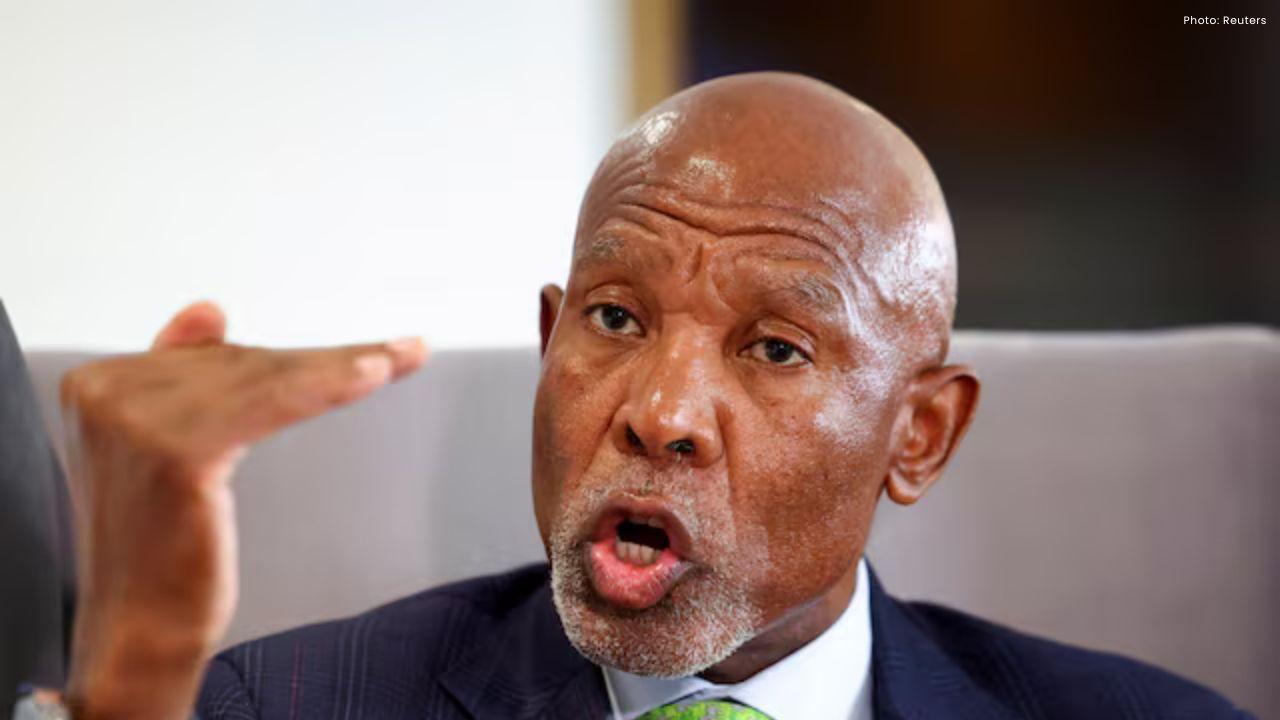
According to central bank governor Lesetja Kganyago, the previous negative scenario created earlier this year is no longer suitable because the global situation has changed quickly. The earlier scenario assumed that oil prices would average around $75 per barrel and that the South African currency, the rand, could weaken to 18.50 against the U.S. dollar.
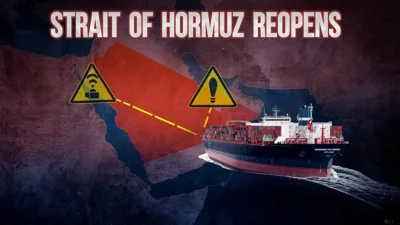
However, recent developments in global politics have pushed oil prices much higher than expected. Brent crude oil has climbed above $90 per barrel, mainly due to tensions and conflict in the Middle East.
Higher oil prices can create problems for many economies, especially those that import large amounts of energy. When oil becomes more expensive, transportation costs rise, electricity production becomes costlier, and the price of many everyday goods can increase. This often leads to inflation, which central banks try to control by adjusting interest rates.
South Africa’s economy is sensitive to such global shocks. The country imports a large share of its fuel, so rising oil prices can quickly increase inflation and affect the cost of living for ordinary people.
At the same time, the South African currency has also shown signs of weakness in recent days. The rand has traded around 16.82 to the U.S. dollar, reflecting market uncertainty and the pressure created by higher energy prices.
Governor Kganyago explained that changes in the exchange rate often have a stronger impact on inflation than changes in oil prices. According to him, if the currency weakens significantly, it can push up the cost of imported goods and increase inflation more quickly.
For policymakers, the main challenge is deciding whether economic shocks are temporary or long-lasting. If a shock is short-term, central banks may avoid making major policy changes. But if the impact continues for a longer period, they may raise interest rates to control inflation.
This decision is not easy. Central banks must balance several goals at the same time. They need to keep inflation under control while also supporting economic growth and protecting jobs.
South Africa already faces several economic challenges, including slow growth, high unemployment, and energy shortages caused by power supply problems. These issues make it even more important for policymakers to carefully manage monetary policy.
By rewriting the adverse risk scenario, the central bank hopes to create a more realistic picture of possible economic outcomes. This will help officials make better decisions at their upcoming policy meeting.
Economists say the move shows that the central bank is taking a cautious approach in uncertain times. Global conflicts, rising energy prices, and currency fluctuations can all affect inflation and economic stability.
In the coming weeks, policymakers will review the new risk scenario along with updated data on inflation, economic growth, and global markets. These factors will help determine whether interest rates remain unchanged or move in a different direction.
For now, the central bank’s message is clear: the global economy is changing quickly, and careful planning is needed to protect South Africa’s financial stability.








Price Increase for Sony PS5 in Southeast Asia Effective May 1
Sony announces a price increase for the PS5 across Southeast Asia starting May 1, 2026, impacting ga

Potential ‘Super El Niño’ in 2026: Understanding the Climate Risks
Could a Super El Niño emerge in 2026? Discover its implications and potential global climate impacts

Global Energy Crisis Intensifies: Markets React to Oil Supply Challenges
Markets are on edge as oil disruptions escalate, influencing prices and economic stability. Explore

Must-See Tourist Spots in London You Can't Overlook
Explore London's essential attractions, from royal landmarks to vibrant markets, ensuring an unforge

Ultimate Guide to Snagging Cheap Flights in 2026
Unlock the secrets to booking affordable flights in 2026 with insightful tips and strategies tailore

The Impact of Consistent Small Investments on Wealth Building
Discover how investing small amounts regularly can positively transform your financial future over t