Post by : Saif Nasser
The war involving Iran, the United States, and Israel has now entered its eighth day, and the conflict is becoming more intense. Airstrikes, missile attacks, and growing regional tensions are making the situation more dangerous for the Middle East and the wider world.
The conflict began when the United States and Israel launched coordinated airstrikes against several locations in Iran. These attacks targeted military bases, nuclear facilities, and government sites that the two countries believed were connected to Iran’s weapons programs.
Since then, the fighting has expanded quickly. Iran responded with missile and drone attacks against Israel and several U.S. military bases in the Middle East. These strikes have reached locations in countries such as Qatar, Bahrain, Kuwait, and the United Arab Emirates where American forces are stationed.
By the eighth day of the war, the human cost has become severe. Reports suggest that more than 1,300 people have been killed in Iran since the attacks began. Casualties have also been reported in Israel and other parts of the region as missiles and drones continue to strike different targets.
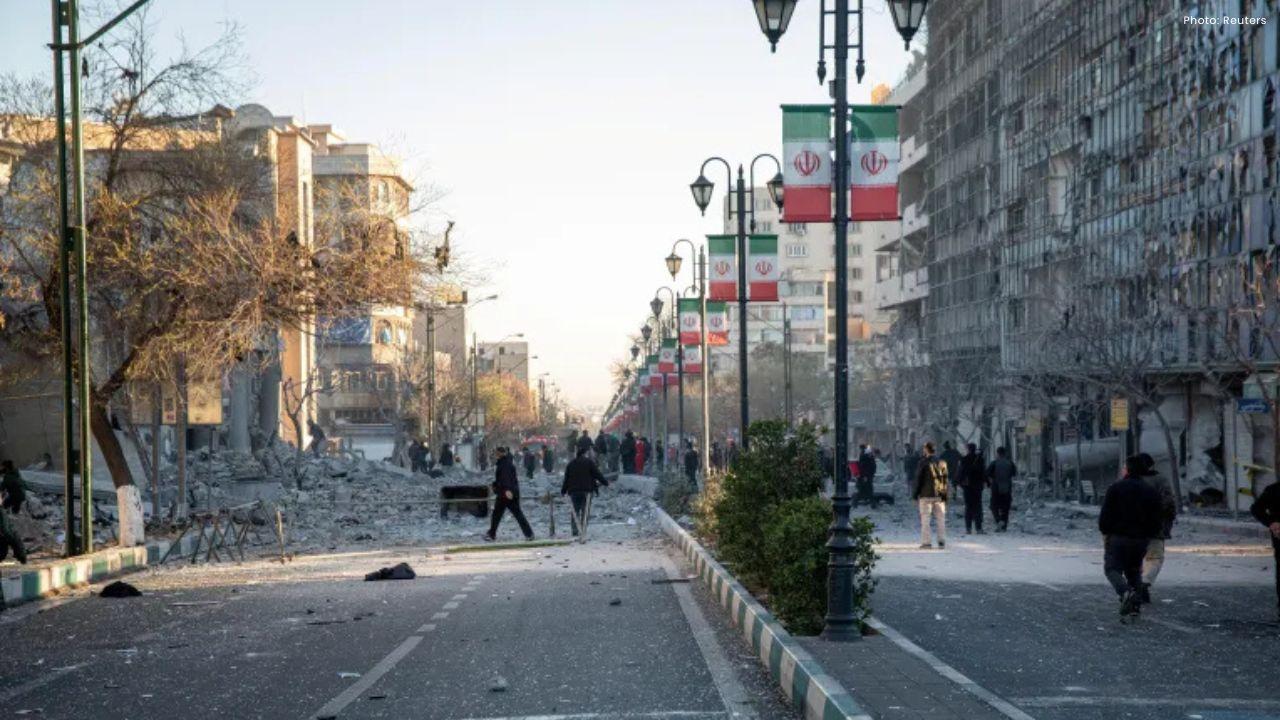
The fighting has included repeated airstrikes on Iranian cities. Explosions have been reported in Tehran and other major areas as Israeli and U.S. forces continue their operations. Iranian military systems, weapons storage sites, and strategic locations have been among the main targets.
At the same time, Iran has launched waves of missiles toward Israel and nearby countries. Some of these missiles have been intercepted by defense systems, but others have caused damage and injuries. Iranian drones have also targeted locations linked to the United States in the Gulf region.
The war has also begun to spread across the wider region. Armed groups allied with Iran have taken part in the conflict. In Lebanon, the group Hezbollah has exchanged attacks with Israeli forces, increasing fears that the fighting could expand beyond Iran and Israel.
Another major concern is the impact on global energy supplies. The Strait of Hormuz, one of the most important oil shipping routes in the world, has been affected by the conflict. Any disruption in this narrow waterway can affect the global oil market because a large portion of the world’s energy supply passes through it every day.
The political situation has also become more complicated. President Donald Trump has taken a strong position against Iran, demanding that the Iranian leadership surrender and end its military actions. Iranian officials, however, have rejected these demands and said they will continue defending the country.
Many world leaders are worried that the war could grow into a much larger regional conflict. Countries across Europe, Asia, and the Middle East are watching the situation closely. Some governments have sent military forces to the region to protect their interests and support allies.
At the same time, international organizations and several governments are calling for diplomatic talks to stop the fighting. They warn that a prolonged war could cause severe economic damage, disrupt energy markets, and increase the risk of further violence across the region.
For ordinary people living in the affected areas, the war has already caused major suffering. Airstrikes, missile attacks, and fear of further escalation have disrupted daily life. Airports, shipping routes, and international travel have also been affected as countries try to manage the security risks.
As the conflict moves deeper into its second week, the future remains uncertain. Military operations continue on both sides, and neither side has shown clear signs of stepping back.
The coming days may determine whether the conflict begins to calm down or grows into an even larger crisis involving more countries. For now, the world is watching closely as one of the most serious conflicts in recent years continues to unfold.









DAE Achieves Remarkable Growth in Q1 2026 With Record Revenue
Dubai Aerospace Enterprise announces impressive financial results for Q1 2026, reflecting a surge in

Price Increase for Sony PS5 in Southeast Asia Effective May 1
Sony announces a price increase for the PS5 across Southeast Asia starting May 1, 2026, impacting ga

Potential ‘Super El Niño’ in 2026: Understanding the Climate Risks
Could a Super El Niño emerge in 2026? Discover its implications and potential global climate impacts

Global Energy Crisis Intensifies: Markets React to Oil Supply Challenges
Markets are on edge as oil disruptions escalate, influencing prices and economic stability. Explore

Must-See Tourist Spots in London You Can't Overlook
Explore London's essential attractions, from royal landmarks to vibrant markets, ensuring an unforge

Ultimate Guide to Snagging Cheap Flights in 2026
Unlock the secrets to booking affordable flights in 2026 with insightful tips and strategies tailore




