Post by : Saif Nasser
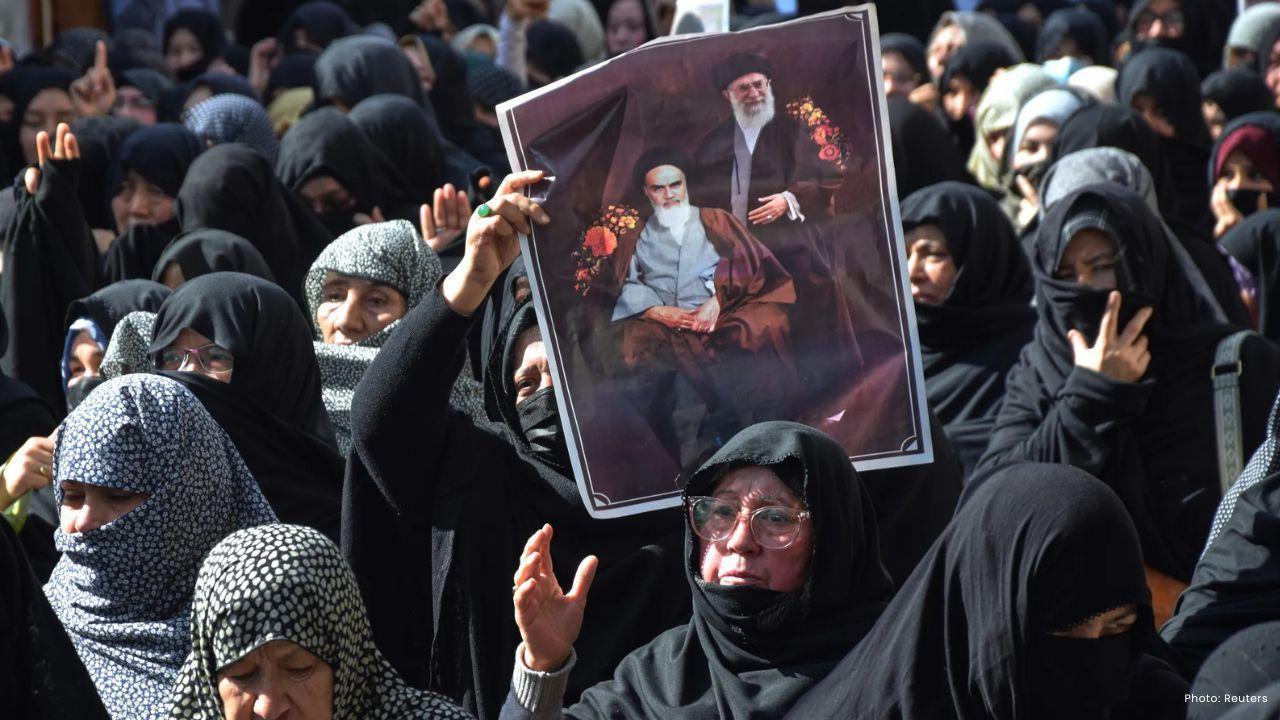
In a major and sudden turn of events, military forces from the United States and Israel have carried out sweeping strikes across Iran that killed the nation’s supreme leader and many others, throwing the Middle East into a dramatic new period of conflict and uncertainty.
For decades, Iran’s supreme leader was the highest authority in the country. His death in this joint attack, confirmed by Iranian media and leaders abroad, marks a rare direct confrontation between these powerful nations and Iran.
The strikes began early on a Saturday and targeted many key military and government locations in Iran, including ballistic missile sites, command centers, and defense installations. The attacks were reported to be extensive in scale and were carried out by a broad air campaign involving hundreds of targets.
Iranian official sources stated that the supreme leader, who had led the country for more than 36 years, was killed along with several senior commanders close to him. The loss of such a central figure has created a leadership vacancy and raised questions about the future direction of Iranian governance.
The strikes did not stop after the leader’s death. Iran’s military infrastructure was hit hard, and reports indicate that many of the country’s long-range weapons systems were damaged. In response, Iran’s government and paramilitary forces vowed retaliation against Israel and U.S. interests in the region, promising strong retribution and calling the strikes a grave crime.
As the crisis deepened, Iran launched missiles and drones toward Israeli territory and various Gulf states, including areas where foreign military troops are stationed. Responding to these moves, air defenses and military bases across the Middle East were put on high alert, and some nations reported intercepting incoming missiles and unmanned aircraft.
The impact of the strikes has not been limited to military sites. In parts of Iran, civilians have been caught in the crossfire of a conflict that continues to expand. Several hundred people, including women and children, were reported killed and many more wounded as a result of the bombardment and retaliatory actions.
The global effects of this confrontation are also unfolding. Three U.S. service members were confirmed killed, and several others were wounded during the battles that followed the initial attacks. Leaders from around the world have expressed alarm and urged both sides to reduce the risk of a broader war, but serious political and military divisions remain.
This escalation has sent shockwaves far beyond the Middle East. World leaders are warning that a full-scale regional conflict could have deep consequences for international peace, energy markets, and global security. Some nations have moved to offer support to the United States and Israel, while others have called for calm and restraint.
Experts say that the unexpected killing of Iran’s supreme leader changes the fabric of Middle Eastern politics. Iran’s system was built around his authority, and his loss under these conditions weakens a central pillar of national power. How Iran chooses a new leader and how its government responds to foreign pressure will shape the region’s future for years to come.
The world now watches closely as military forces remain active, leaders call for both strength and diplomacy, and ordinary citizens in many countries face uncertainty about what might happen next.




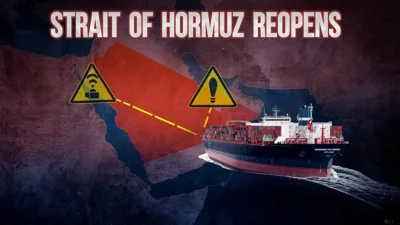
Reopening of the Strait of Hormuz: New Regulations to Impact Global Trade
Iran reopens the strategic Strait of Hormuz with new regulations affecting oil transport and global

Top 10 Must-See Attractions in NYC for First-Time Explorers
Discover essential experiences for first-time visitors to NYC, including attractions, culture, and i

Starbucks Engages Boyu Capital for Major Chinese Expansion
Starbucks teams up with Boyu Capital, selling a majority stake to boost growth and adapt to the Chin

Three Individuals Charged in Massive Meth Trafficking Case in Malaysia
In Malaysia, a married couple and another suspect are charged with trafficking 510kg of meth, facing
Singapore Police Revisit Geylang Murder Scene with Suspect
In Geylang, police return a murder suspect to the scene of a crime involving the fatal stabbing of a