Post by : Saif Nasser
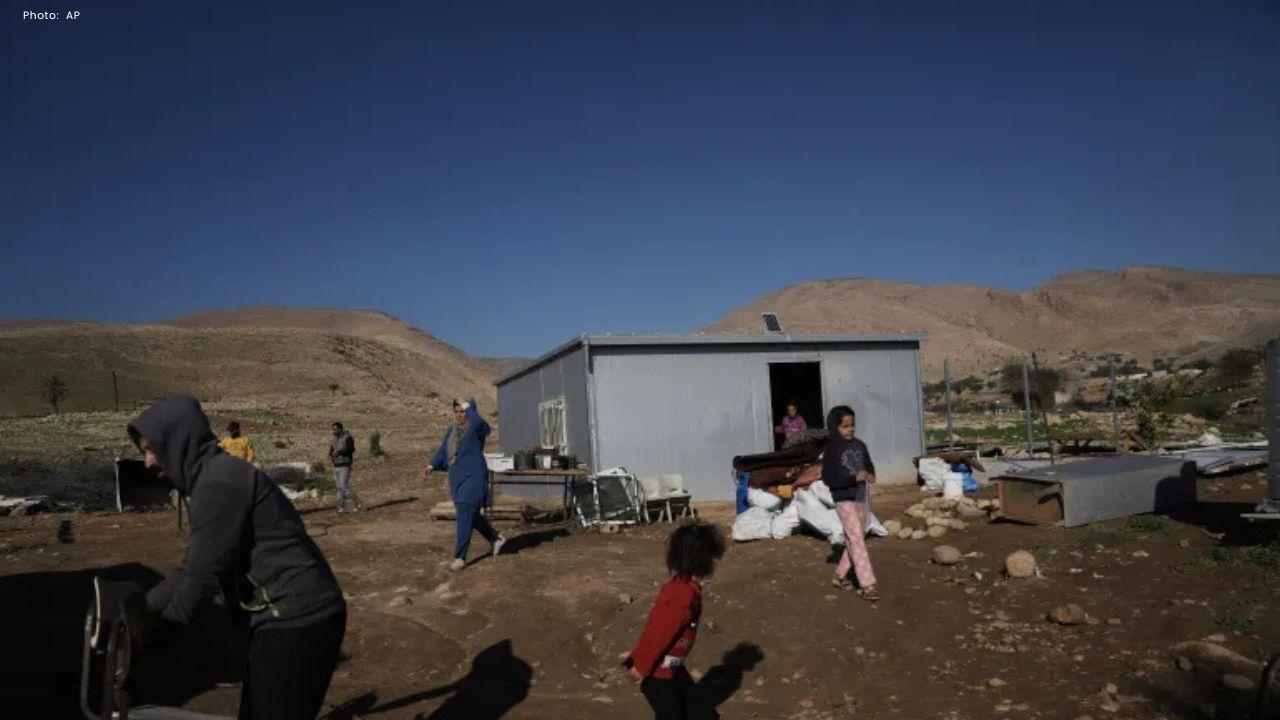
A new report from the United Nations has raised serious concern about conditions in the occupied West Bank, saying that rising settler violence and pressure have forced more Palestinians to leave their homes than at any time since October 2023. Many families are moving not by choice but because they feel unsafe and cannot continue normal life under repeated threats.
United Nations field teams say several Palestinian communities have faced ongoing intimidation, property damage, and physical attacks in recent months. Homes, farmland, vehicles, and water systems have reportedly been damaged in some areas. When such incidents happen again and again, families often decide they cannot risk staying, especially when children and elderly relatives are involved.
Displacement brings deep hardship beyond the loss of a house. Families who move often lose their main source of income, especially if they depend on farming or herding. Children may have to stop school for long periods. Access to medical care becomes more difficult. Many displaced people end up living with relatives or in temporary shelters where space and resources are limited.
According to United Nations officials, fear is now a major driver of movement. Even when violence is not happening every day, the threat of it can be enough to push people out. Small rural communities are especially vulnerable because they have fewer security resources and less outside attention.
Israeli authorities have said that illegal acts are not supported and that security forces respond when violence occurs. However, humanitarian and rights groups argue that prevention and accountability are not strong enough. They say slow investigations and limited consequences can make affected communities feel unprotected. When trust in protection falls, more people choose to leave.
The rise in displacement also has political and social effects. When communities are emptied, it changes local demographics and land use. That can increase tension and make future peace efforts harder. People who lose homes and land rarely return quickly, especially if they believe the danger remains.
International law places responsibility on authorities to protect civilians living under occupation. United Nations agencies warn that repeated forced movement, whether direct or indirect, raises serious legal and moral concerns. Civilian safety, they say, must remain a priority regardless of political disputes.
Aid groups are calling for stronger on-ground protection, faster legal action in violence cases, and better emergency support for displaced families. They say food, shelter, schooling, and medical services must be expanded to meet growing needs. Without firm action, the number of uprooted families may continue to rise.
The warning from the United Nations is not only about numbers. It is about the daily reality of families who feel they have nowhere safe to stay. Their situation shows how ongoing low-level violence can create a major humanitarian problem over time.







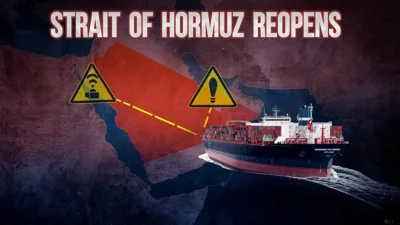
Reopening of the Strait of Hormuz: New Regulations to Impact Global Trade
Iran reopens the strategic Strait of Hormuz with new regulations affecting oil transport and global

Top 10 Must-See Attractions in NYC for First-Time Explorers
Discover essential experiences for first-time visitors to NYC, including attractions, culture, and i

Starbucks Engages Boyu Capital for Major Chinese Expansion
Starbucks teams up with Boyu Capital, selling a majority stake to boost growth and adapt to the Chin

Three Individuals Charged in Massive Meth Trafficking Case in Malaysia
In Malaysia, a married couple and another suspect are charged with trafficking 510kg of meth, facing

Singapore Police Revisit Geylang Murder Scene with Suspect
In Geylang, police return a murder suspect to the scene of a crime involving the fatal stabbing of a