Post by : Saif Nasser
Tensions between the United States and Iran have increased once again as talks over Iran’s nuclear program remain uncertain. Military forces are building up in the Middle East, and strong statements from leaders on both sides have raised fears about what could happen next. Many people are now asking whether the situation could turn into a direct conflict.
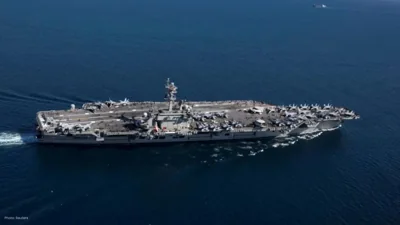
The United States has increased its military presence in the region. Reports say more warships, aircraft, and defense systems have been sent to the Middle East. American officials say these moves are meant to protect U.S. interests and allies, and to discourage any aggressive action. The buildup also sends a clear message that Washington is ready to respond if needed.
Iran, on the other hand, says it has the right to continue its nuclear activities for peaceful purposes. Iranian leaders insist that their nuclear program is not meant to build weapons. However, the United States and several other countries remain concerned that Iran’s nuclear work could lead to the development of nuclear arms.
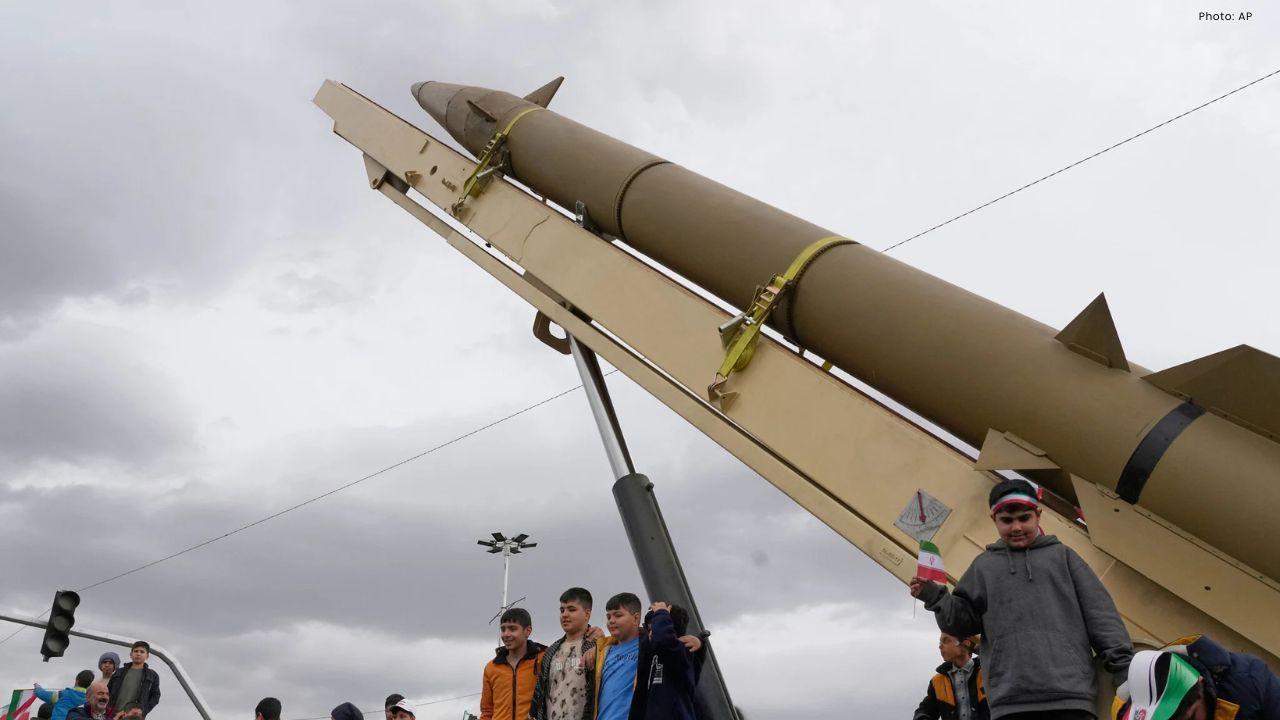
If talks fail and conflict breaks out, experts believe the United States would have a strong military advantage. The U.S. has more advanced weapons, larger forces, and greater global support. However, this does not mean a war would be simple or short. Iran has powerful missile systems and strong regional influence. It could respond in ways that would cause serious damage and disrupt stability across the Middle East.
Iran has allies and armed groups in different parts of the region. In the past, these groups have been involved in conflicts linked to wider regional tensions. If war were to begin, fighting might not stay limited to one country. Neighboring states could become involved, either directly or indirectly. This raises the risk of a wider regional crisis.
Another major concern is the Strait of Hormuz, a narrow waterway through which a large amount of the world’s oil passes. If this route were blocked or threatened, global oil prices could rise sharply. This would affect not only the Middle East but also countries around the world. Higher energy costs can lead to higher prices for goods and services everywhere.
Military experts say that even limited strikes could lead to serious consequences. Air strikes or missile attacks might damage key facilities, but they could also trigger retaliation. Once violence begins, it can be hard to control how far it spreads. That is why many analysts say diplomacy is the safer option.
In the past, there was a nuclear agreement that placed limits on Iran’s nuclear activities in exchange for relief from economic sanctions. That deal reduced tensions for a time. However, disagreements and policy changes led to its collapse. Since then, efforts to return to a similar agreement have faced many challenges.
For ordinary people in Iran and across the region, the fear of war brings uncertainty and stress. Conflict would likely harm civilians the most. Economic problems, damaged infrastructure, and safety risks would affect families and communities.
World leaders are watching the situation closely. Many are urging calm and encouraging both sides to continue talks. A peaceful solution would require compromise and trust, which are difficult to achieve after years of tension. Still, diplomacy offers the best chance to avoid violence.
The choices made in the coming weeks and months will be important. Strong words and military actions can raise pressure, but open communication and careful negotiation can lower it. The world hopes that reason and dialogue will win over conflict, and that a stable agreement can prevent a crisis that would affect millions of lives.





Starbucks Engages Boyu Capital for Major Chinese Expansion
Starbucks teams up with Boyu Capital, selling a majority stake to boost growth and adapt to the Chin

Three Individuals Charged in Massive Meth Trafficking Case in Malaysia
In Malaysia, a married couple and another suspect are charged with trafficking 510kg of meth, facing

Singapore Police Revisit Geylang Murder Scene with Suspect
In Geylang, police return a murder suspect to the scene of a crime involving the fatal stabbing of a

Mattel Revives Masters of the Universe Action Figures Ahead of Film Launch
Mattel is reintroducing Masters of the Universe figures in line with its upcoming film, tapping into

China Executes 11 Members of Criminal Clan Linked to Myanmar Scam
China has executed 11 criminals associated with the Ming family, known for major scams and human tra