Post by : Mikhael Nasser
Maintaining healthy skin extends beyond cosmetic products; it fundamentally revolves around proper nutrition. Omega-3 fatty acids and their role in skin health often go overlooked. These essential fats contribute to keeping the skin resilient, moisturized, and protected. If your omega-3 intake is insufficient, skin issues may arise as early indicators.
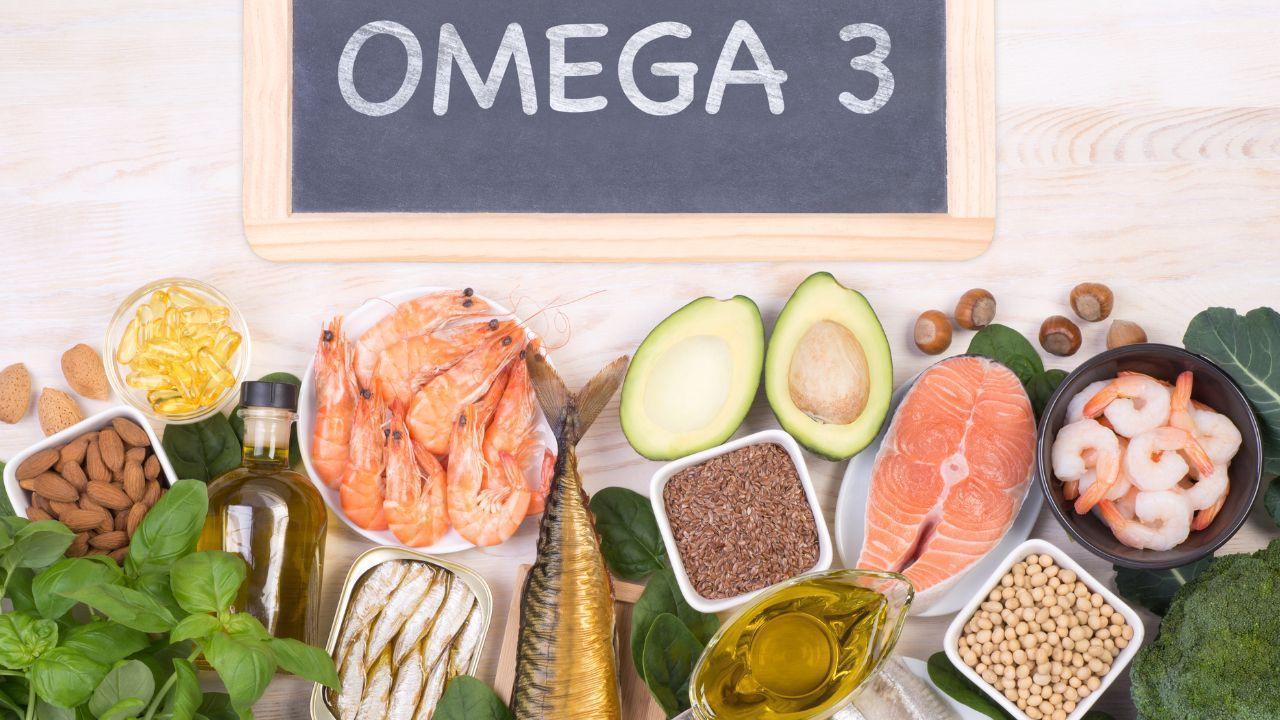
Omega-3 can be found in foods like fatty fish, walnuts, flaxseeds, and chia seeds, yet many people today forgo these items in favor of processed foods lacking these vital nutrients. Consequently, omega-3 deficiency is on the rise, with its effects on skin quickly becoming observable.
Here are four initial signs that might indicate a shortage of omega-3 in your body.
Dry skin is often the first clue to omega-3 deficiency. If your skin feels taut or scaly despite using moisturizer, the issue could be internal.
Omega-3 plays a critical role in preserving the skin’s moisture barrier, which prevents water loss and combats dryness. Low omega-3 levels can lead to easier moisture loss, resulting in arid skin.
This dryness may affect various parts of the body, such as the face, hands, legs, arms, and even the scalp. While many attribute this condition to environmental factors or soaps, an inadequate diet—especially the lack of omega-3—can be an underlying factor.
Another early sign includes skin that becomes easily irritated. If you experience redness, itchiness, or inflammation without an obvious cause, consider omega-3 deficiency.
Omega-3s help mitigate inflammation, so inadequate levels could result in heightened sensitivity and discomfort.
This issue can be particularly pronounced for those already dealing with sensitive skin, as lower omega-3 intake can exacerbate their condition.
Omega-3 fatty acids assist in regulating oil production and reducing inflammation within the skin. A deficit may lead to excessive oiliness or heightened reactions to bacteria, culminating in acne outbreaks.
Many may notice an uptick in blemishes or prolonged healing times for acne, which can also leave scars due to inadequate recovery.
Despite the diverse causes of acne, a compromised omega-3 intake can complicate its management.
Healthy skin typically exudes vitality and brightness. Omega-3 aids in cell repair and shields skin from daily harm. A deficiency in these fatty acids may lead to a fatigued and dull appearance.
Fine lines, irregular skin texture, and premature loss of firmness can manifest sooner than anticipated, as omega-3 is crucial for maintaining cell strength and elasticity.
Omega-3 fatty acids are vital for reinforcing the skin’s protective barrier, safeguarding it from pollution, sun damage, and bacteria. Unlike topical products that only address surface conditions, omega-3 nourishes the body from within, emphasizing the significance of diet in long-term skin health.
Individuals who shy away from fish or omega-3-rich plant-based foods may be at risk. Vegetarians and vegans need to ensure an adequate intake of seeds and nuts.
A diet rich in fried or processed foods, which often displace healthier fats, can further diminish omega-3 levels.
Moreover, those experiencing digestive issues might struggle to absorb omega-3 effectively.
Raising omega-3 levels doesn't necessitate drastic lifestyle changes; simple, consistent choices lead to improvement.
Incorporating foods like fatty fish, walnuts, flaxseeds, chia seeds, and heart-healthy oils into your meal plan can promote superior skin health. Prioritizing regular consumption over large quantities is key.
Consult your doctor before starting omega-3 supplements, especially if you have existing health concerns or are on medication.
Take note: your skin can reflect internal health issues. Signs such as dryness, redness, acne, and lackluster skin may indicate that omega-3 levels are low.
Identifying these indicators early can facilitate your journey toward better skin health, preventing more serious issues down the road. A balanced diet rich in omega-3s is essential for achieving serene, well-nourished, and resilient skin.
Remember, optimal skin health stems not just from products, but from the right nutrients in your daily meals.
This article is intended for informational purposes only. The content is drawn from general nutritional knowledge and widely accessible health insights. It is not meant to serve as a substitute for professional medical advice, diagnosis, or treatments. Individual health conditions may vary; readers should consult a qualified professional before enacting substantial dietary changes or introducing supplements.










Anticipated Dates for UAE Eid Al Adha 2026 Unveiled by Astronomical Experts
Experts predict Eid Al Adha 2026 in the UAE to start on May 27, prompting early holiday planning amo

DAE Achieves Remarkable Growth in Q1 2026 With Record Revenue
Dubai Aerospace Enterprise announces impressive financial results for Q1 2026, reflecting a surge in

Price Increase for Sony PS5 in Southeast Asia Effective May 1
Sony announces a price increase for the PS5 across Southeast Asia starting May 1, 2026, impacting ga

Potential ‘Super El Niño’ in 2026: Understanding the Climate Risks
Could a Super El Niño emerge in 2026? Discover its implications and potential global climate impacts

Global Energy Crisis Intensifies: Markets React to Oil Supply Challenges
Markets are on edge as oil disruptions escalate, influencing prices and economic stability. Explore

Must-See Tourist Spots in London You Can't Overlook
Explore London's essential attractions, from royal landmarks to vibrant markets, ensuring an unforge




