Post by : Sami Jeet
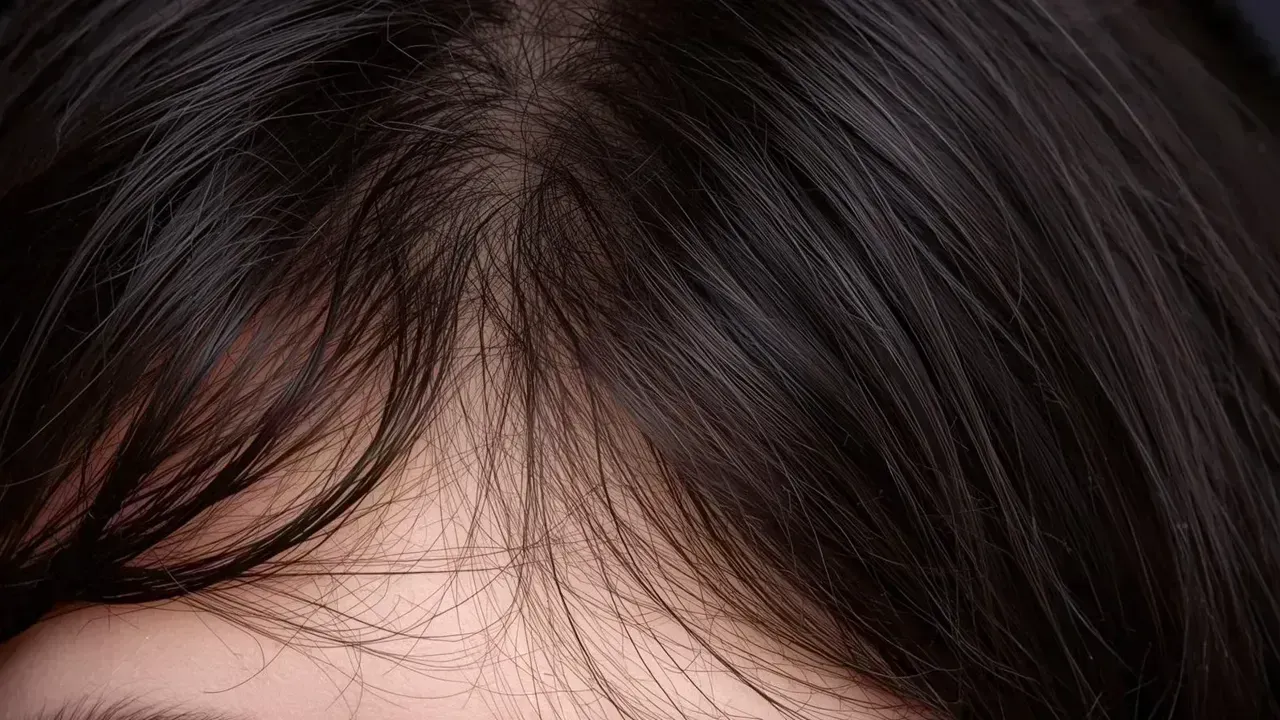
Hair fall does not occur overnight. Often, prior to noticing strands on your pillow or in the shower, your hair undergoes a texture shift. It can become rough, dry, limp, or unusually flat. Many overlook these early signals, attributing them to seasonal changes, shampoo issues, or transient damage. However, shifts in hair texture are among the first indicators of impending hair fall.
Recognizing the factors behind these texture changes could empower you to act early, which may help avert severe thinning or prolonged loss. This article delves into the biological, nutritional, hormonal, and lifestyle factors at play in changing hair texture and reflects on how internal health influences visible hair condition.
Hair texture is influenced by:
Protein structure of the hair strand
Oil and moisture levels in the scalp
Blood circulation to hair follicles
Hormonal balance
Nutrient supply
When these systems fall out of balance, the hair shaft begins to weaken. Hair doesn’t immediately shed—first, it loses its strength, elasticity, luster, and smoothness, which precedes shedding.
To grasp texture shifts, it's crucial to distinguish between the hair shaft and the hair follicle.
The visible hair composed of keratin that cannot self-repair once formed.
The living part beneath the scalp that generates new hair.
When the follicle experiences stress, it produces weaker hair shafts. Texture changes serve as the initial visible sign of follicle distress.
Hair fundamentally comprises keratin protein. When the body lacks protein or struggles to utilize it, hair quality deteriorates before its quantity.
The hair appears thinner
Cuticle layers uneven
Loss of shine and smoothness
Fraying without immediate shedding
This is often seen in individuals who skip meals, diet excessively, or heavily rely on processed foods.
Stress is not an immediate cause of hair shedding; it modifies hair formation at the root level.
Increased cortisol levels
Decreased blood circulation to the scalp
Interference with nutrient transportation
Shortened hair growth cycle
Consequently, hair becomes weaker, finer, and drier. Texture changes manifest weeks or months ahead of shedding escalation.
Hormones play a role in regulating oil production, hair thickness, and growth cycles.
Thyroid dysfunction
Insulin resistance
Polycystic Ovary Syndrome (PCOS)
Post-pregnancy fluctuations
Perimenopause
Hormonal imbalances can lead to hair growing thinner and flatter, sometimes even before significant hair fall occurs.
Hair becomes dry, rough, frizzy, and dull.
Hair can become limp and sticky.
Both conditions compromise the hair shaft, making it vulnerable to breakage and subsequent loss.
Hair follicles need proper oxygen and nutrients.
Inactivity
Excessive screen time
Poor posture
Stress-related tension
This diminished circulation results in undernourished hair, leading to texture degradation prior to hair loss.
Specific nutrients impact hair quality before its quantity.
Iron: essential for oxygen delivery
Zinc: aids follicle restoration
Biotin: enhances hair strength
Vitamin D: promotes follicle turnover
Omega-3: helps retain moisture
Lack of these nutrients can cause the hair to become brittle and weak before noticeable thinning occurs.
Internal hydration is essential for hair health.
Loss of softness
Reduced flexibility
Increased breakage
Rough texture even after conditioning
Dehydration stresses follicles, undermining hair quality.
Hair restoration occurs during restorative sleep.
Lower melatonin levels
Impaired hormonal recovery
Heightened inflammation
Late nights and excess screen time hinder hair’s overnight recovery, leading to lifeless strands.
Overuse of chemicals and heat can further compromise internal health.
If the hair is already weak due to internal factors, styling damage becomes exacerbated. Hair may seem frizzy and unmanageable prior to shedding increasing.
Proper digestion is critical for nutrient absorption.
Suboptimal mineral absorption
Increased inflammation
Inadequate protein absorption
Good dietary habits can’t enhance hair texture if nutrients aren’t efficiently absorbed.
Common indicators include:
Hair feeling thinner
Ponytail density decreasing
Natural waves or curls becoming less defined
Frizz rising without humidity
Styling not holding well
Usually, these changes appear 2–4 months before significant hair fall.
Hair follicles first diminish quality before halting production.
When resources are limited, the body prioritizes survival functions over hair, leading to initial quality decline. Shedding follows only if stress persists.
Increase protein intake
Ensure balanced meals
Stay adequately hydrated
Limit stress exposure
Gentle massages
Avoid harmful treatments
Don't overwash your hair
Establish regular sleep patterns
Take breaks from screens
Engage in physical activity
Taking proactive measures can reverse texture changes and help prevent future hair loss.
Consult a healthcare professional if:
Texture alterations are sudden and extreme
Accompanied by fatigue or weight fluctuations
Hair falls shortly after
Timely diagnosis is essential to avert chronic thinning.
Changes in hair texture are more than aesthetic issues—they serve as important biological signals. Your hair can indicate if there's a misalignment in stress, nutrition, hormones, or lifestyle factors. Overlooking these cues allows hair fall to silently progress.
Healthy hair begins internally before it reflects externally.
This article serves informational purposes and does not substitute for professional medical advice. Hair texture modifications and shedding may arise from an array of causes, including genetics, health conditions, and lifestyle factors. For ongoing concerns or sudden changes, consult a qualified dermatologist or healthcare provider for proper diagnosis and treatment.










Anticipated Dates for UAE Eid Al Adha 2026 Unveiled by Astronomical Experts
Experts predict Eid Al Adha 2026 in the UAE to start on May 27, prompting early holiday planning amo

DAE Achieves Remarkable Growth in Q1 2026 With Record Revenue
Dubai Aerospace Enterprise announces impressive financial results for Q1 2026, reflecting a surge in

Price Increase for Sony PS5 in Southeast Asia Effective May 1
Sony announces a price increase for the PS5 across Southeast Asia starting May 1, 2026, impacting ga

Potential ‘Super El Niño’ in 2026: Understanding the Climate Risks
Could a Super El Niño emerge in 2026? Discover its implications and potential global climate impacts

Global Energy Crisis Intensifies: Markets React to Oil Supply Challenges
Markets are on edge as oil disruptions escalate, influencing prices and economic stability. Explore

Must-See Tourist Spots in London You Can't Overlook
Explore London's essential attractions, from royal landmarks to vibrant markets, ensuring an unforge




