Post by : Saif Nasser
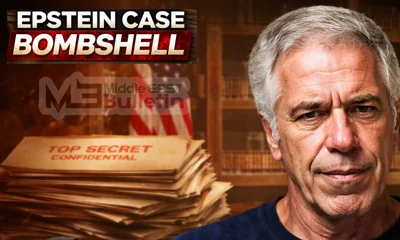
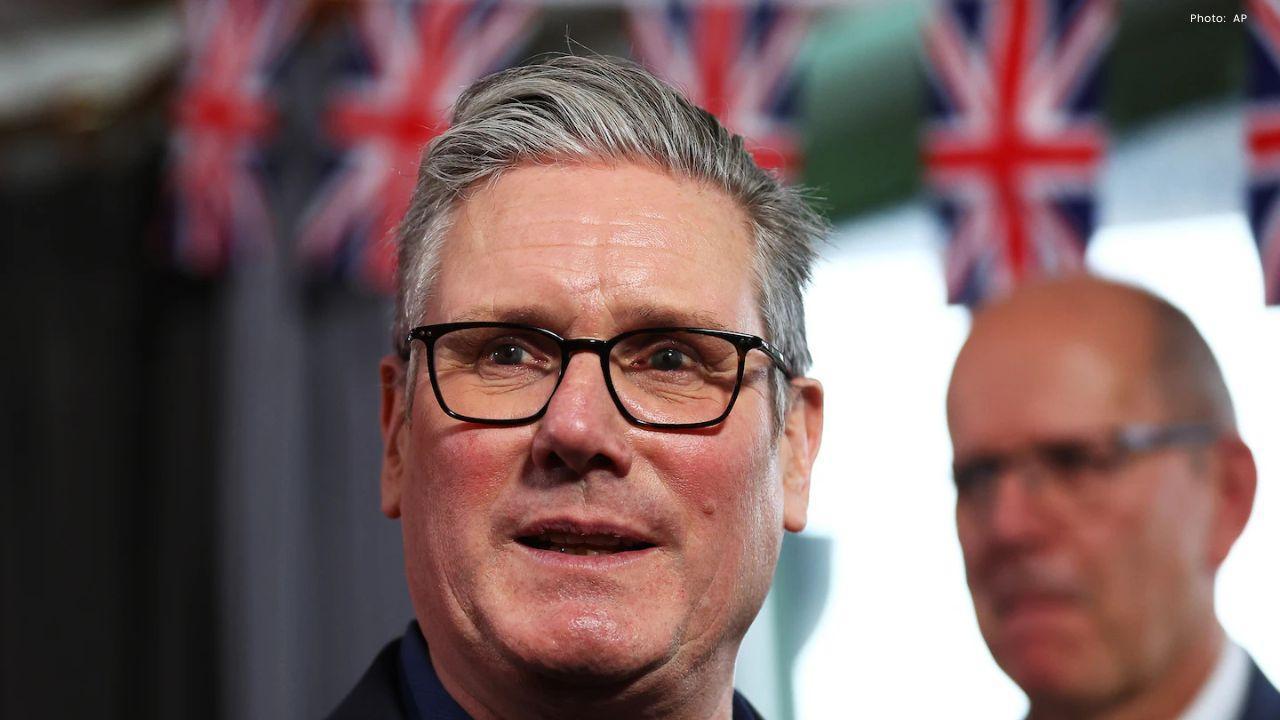
British Prime Minister Keir Starmer is facing one of the biggest political crises of his time in office. His leadership is under serious threat after new details came out about former ambassador Peter Mandelson’s past links to convicted sex offender Jeffrey Epstein. The issue has shaken public trust and created anger inside Starmer’s own Labour Party.
Starmer has been in office for about a year and a half. He came to power promising clean and stable government after many years of controversy under previous leaders. Now he finds himself in the middle of a storm that could decide whether he stays or goes.
The crisis began with questions about why Mandelson was appointed as the United Kingdom’s ambassador to the United States in 2024. Mandelson is a senior political figure who has held many powerful roles in the past. But he has also been linked to several past controversies. Reports showed that he kept contact with Jeffrey Epstein even after Epstein’s conviction for sex crimes involving a minor in 2008.
Starmer later removed Mandelson from the post after emails became public. These messages suggested that Mandelson had not fully told the truth about his relationship with Epstein. Starmer has since said he feels misled and has apologized for trusting Mandelson’s statements. He has promised to release official documents about how the appointment decision was made.
The damage, however, has already spread.
Several senior members of Starmer’s team have stepped down. His chief of staff resigned and took responsibility for advising that Mandelson should be appointed. Soon after, the prime minister’s communications director also quit, saying a new team should be formed. These resignations show how serious the problem has become inside the prime minister’s office.
Police are now reviewing whether Mandelson may have committed misconduct in public office connected to documents and information shared years ago. He has not been arrested or charged, and there are no accusations of sexual wrongdoing against him. Still, the investigation adds more pressure and more headlines to an already difficult situation.
Inside the Labour Party, many lawmakers are worried. Some believe Starmer showed poor judgment by approving Mandelson’s appointment despite known risks. Others fear that the scandal is hurting the party’s image with voters who expected higher ethical standards.
Starmer met Labour lawmakers behind closed doors to ask for support and time to rebuild trust. He told party staff that public respect for politicians has been damaged and that leaders must show politics can serve people honestly. His message is clear: he wants a reset, not a removal.
But not everyone is convinced. Some opposition leaders say his position is no longer strong enough. They argue that repeated poor decisions and policy reversals have already weakened his government, and this latest scandal has made things worse.
Even before this controversy, Starmer was facing political trouble. His government has struggled to improve economic growth, reduce living costs, and fix public services. Opinion polls show Labour losing support to rival parties, including newer and more hardline groups. That trend had already started talk of a leadership challenge.
Under the UK parliamentary system, a prime minister can be replaced without a national election. If enough party lawmakers demand change, the party can hold a leadership contest. The winner would become both party leader and prime minister. This has happened before. In recent years, the Conservative Party changed prime ministers multiple times between elections, and voters reacted badly to the instability.
That history is now part of the debate. Some Labour lawmakers warn that removing Starmer could create more chaos and hurt the party further. They say changing leaders too often makes a government look weak and divided. Supporters argue that Starmer still offers steadiness compared to the risk of a rushed leadership fight.
From an editorial point of view, this crisis is about more than one appointment. It is about judgment, transparency, and public trust. When leaders promise ethical government, their choices must match their words. Even if they are misled, they are still responsible for who they appoint to high office.
At the same time, political systems need stability to function well. Quick removals and constant leadership battles can damage public confidence just as much as scandals do. Lawmakers must weigh both accountability and stability when deciding what comes next.
The coming days will be critical. Starmer must convince his party and the public that he can correct mistakes, rebuild his team, and lead with stronger oversight. If he fails, the UK could soon see another change at the top — something voters have grown tired of in recent years.









Starbucks Engages Boyu Capital for Major Chinese Expansion
Starbucks teams up with Boyu Capital, selling a majority stake to boost growth and adapt to the Chin

Three Individuals Charged in Massive Meth Trafficking Case in Malaysia
In Malaysia, a married couple and another suspect are charged with trafficking 510kg of meth, facing
Singapore Police Revisit Geylang Murder Scene with Suspect
In Geylang, police return a murder suspect to the scene of a crime involving the fatal stabbing of a

Mattel Revives Masters of the Universe Action Figures Ahead of Film Launch
Mattel is reintroducing Masters of the Universe figures in line with its upcoming film, tapping into

China Executes 11 Members of Criminal Clan Linked to Myanmar Scam
China has executed 11 criminals associated with the Ming family, known for major scams and human tra