Post by : Saif Nasser
The decision by the United Arab Emirates (UAE) to withdraw its remaining forces from Yemen marks a serious turning point in Middle East politics. What began as a shared military mission between Saudi Arabia and the UAE has now turned into an open dispute, raising fears of deeper instability in Yemen and tensions among powerful Gulf countries.
On December 30, the UAE announced that it would pull out its last forces from Yemen. These troops were part of counterterrorism units, which the UAE said had remained after it officially ended its military role in 2019. According to the UAE defence ministry, the withdrawal was voluntary and followed a fresh review of the situation on the ground.
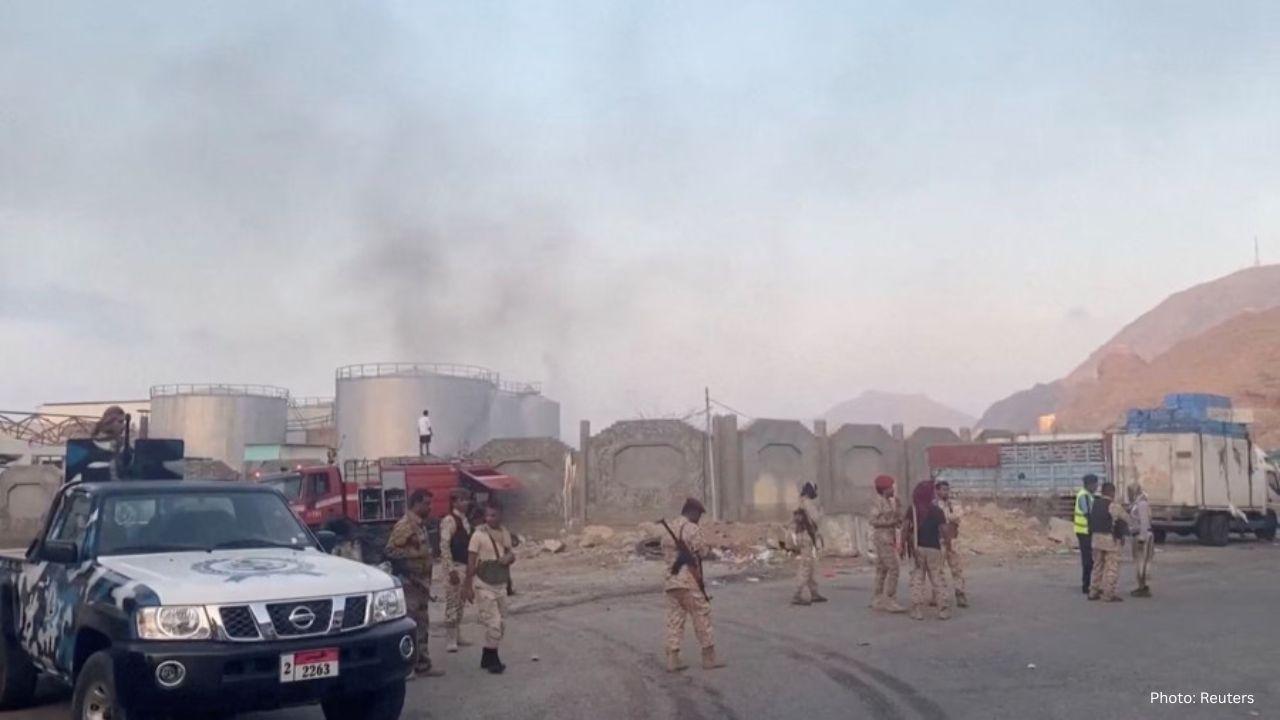
This announcement came just hours after Saudi-led coalition forces carried out airstrikes on Yemen’s southern port city of Mukalla. Saudi Arabia said the attack targeted a shipment of weapons linked to the UAE and meant for southern Yemeni separatists. The strike sharply increased tensions between the two former allies.
Saudi Arabia strongly backed a demand from Yemen’s presidential council for Emirati forces to leave the country within 24 hours. Rashad al-Alimi, the Saudi-backed head of the council, accused the UAE of encouraging rebellion and military escalation by the Southern Transitional Council (STC), a separatist group that wants independence for southern Yemen.
The UAE rejected these accusations. It said it was surprised by the Saudi-led airstrike and insisted that the shipments arriving in Mukalla did not contain weapons. According to Abu Dhabi, the cargo was meant only to support its own personnel. Still, the UAE said it wanted a solution that would avoid further escalation and be based on verified facts.
Saudi Arabia and the UAE were once the two strongest partners in the coalition formed in 2015 to fight Yemen’s Iran-aligned Houthi rebels. Over time, however, their interests began to drift apart. Saudi Arabia focused on keeping Yemen united under an internationally recognized government, while the UAE built close ties with southern groups like the STC.
This difference has now turned into open conflict. Saudi officials accused the UAE of pushing the STC closer to Saudi borders, calling this a direct threat to national security. Riyadh described its security as a “red line,” using the strongest language yet against its neighbor.
The STC recently launched a major offensive against Saudi-backed Yemeni forces. It broke years of stalemate and gained control of large parts of southern Yemen, including the important Hadramout province. This advance came despite repeated warnings from Saudi Arabia.
The Saudi-led coalition said that two ships arrived at Mukalla port from the UAE’s Fujairah port without approval. Saudi state media showed video footage of a ship unloading what it claimed were weapons and military vehicles. The UAE-linked shipping company involved did not respond to requests for comment.
Saudi officials said the airstrike caused no civilian casualties or damage. However, Yemeni state television showed black smoke rising from the port and burned vehicles. In response, Alimi announced a temporary no-fly zone and imposed sea and land blockades on ports and crossings for 72 hours.
The crisis has drawn attention from outside powers. The United States said Secretary of State Marco Rubio spoke with both Saudi and UAE foreign ministers to discuss the growing tensions. Several Gulf countries, including Kuwait and Bahrain, called for dialogue and a political solution. Qatar stressed that the security of Saudi Arabia and other Gulf states is closely linked to its own.
Beyond Yemen, the dispute may also affect global oil markets. Saudi Arabia and the UAE are major members of OPEC and OPEC+. Any serious disagreement between them could make it harder to agree on oil production levels. Gulf stock markets reacted nervously, with major indexes falling after the news.
While the UAE’s withdrawal may calm tensions in the short term, many questions remain. Will the UAE truly stop backing the STC? Can Saudi Arabia maintain unity among its allies in Yemen? And most importantly, will ordinary Yemenis see any relief after years of war?
Yemen has already suffered one of the world’s worst humanitarian crises. Fighting between allies only adds to the pain. This latest rift shows how fragile regional alliances can be and how quickly shared goals can fall apart.
In the end, the UAE’s exit from Yemen is not just a military move. It is a sign of deeper divisions in the Gulf, divisions that could shape the future of Yemen, regional security, and even global energy markets for years to come.





Mattel Revives Masters of the Universe Action Figures Ahead of Film Launch
Mattel is reintroducing Masters of the Universe figures in line with its upcoming film, tapping into

China Executes 11 Members of Criminal Clan Linked to Myanmar Scam
China has executed 11 criminals associated with the Ming family, known for major scams and human tra
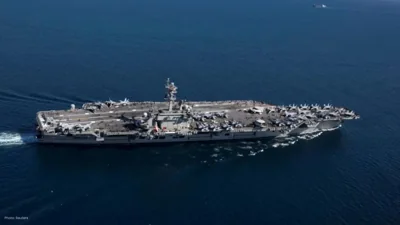
US Issues Alarm to Iran as Military Forces Deploy in Gulf Region
With a significant military presence in the Gulf, Trump urges Iran to negotiate a nuclear deal or fa

Copper Prices Reach Unprecedented Highs Amid Geopolitical Turmoil
Copper prices soar to all-time highs as geopolitical tensions and a weakening dollar boost investor

New Zealand Secures First Win Against India, Triumph by 50 Runs
New Zealand won the 4th T20I against India by 50 runs in Vizag. Despite Dube's impressive 65, India