Post by : Shweta
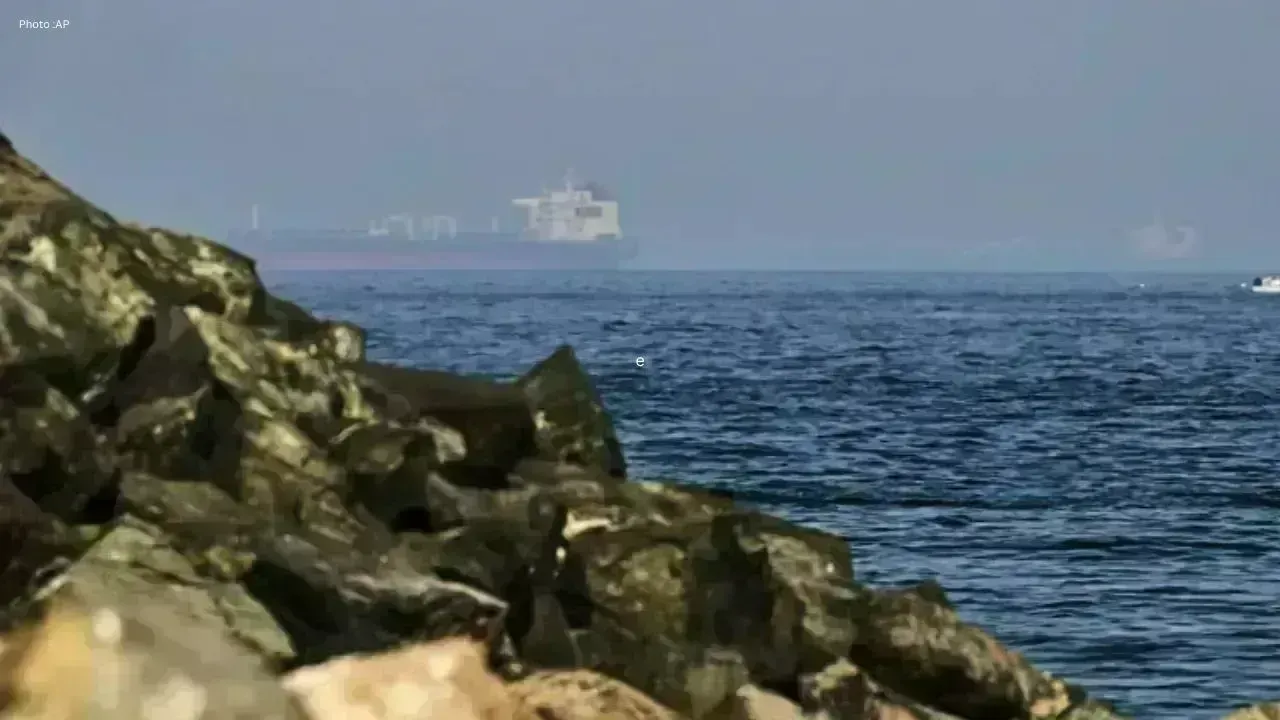
For the second consecutive day, the United Arab Emirates faced missile and drone strikes attributed to Iran, intensifying fears of a broader conflict in the Gulf region. The UAE Ministry of Defence reported that their air defense systems were activated on Tuesday following the detection of multiple aerial threats originating from Iranian territories. Officials indicated that these strikes targeted crucial energy and shipping infrastructures within the country.
These recent attacks follow growing tensions in the Strait of Hormuz, a critical global oil transportation route. The UAE's armed forces successfully intercepted several incoming threats, preventing significant damage. Residents have been advised to remain composed and adhere to safety protocols as emergency services monitor the situation.
This new wave of strikes came one day after missiles and drones hit the Fujairah Oil Industry Zone and adjacent marine areas, causing fires in some facilities and injuries to several individuals, including Indian citizens. The UAE condemned these assaults, deeming them a hazardous escalation that jeopardizes regional stability and international commerce.
The UAE's Ministry of Foreign Affairs criticized Iran for allegedly endangering Gulf security and breaching international law, asserting that Abu Dhabi retains the right to retaliate if the assaults persist. In contrast, Iran denied involvement in these recent actions, even as tensions with Washington escalate regarding military maneuvers in the vital Strait of Hormuz.
Crucially, the Strait of Hormuz is pivotal, as approximately one-fifth of the world’s oil transit occurs through this narrow channel daily. In a response to Iranian restrictions on maritime activities, the United States launched "Project Freedom," aimed at ensuring the secure passage of commercial vessels in the area. President Donald Trump later announced a temporary halt to allow for further negotiations with Iran.
Experts believe the ongoing strikes against the UAE may have severe economic ramifications if tensions escalate further. Fujairah is pivotal, hosting one of the largest oil storage and export centers in the Middle East outside the Strait of Hormuz. Analysts suggest that targeting this area might be part of Iran's strategy to exert pressure on Gulf nations supportive of U.S. initiatives.
In response to these developments, several nations, including Saudi Arabia, Qatar, and Kuwait, have stepped up their security protocols following similar Iranian aggressions in the Gulf. Regional leaders express concern that further escalations could disrupt oil shipments, aviation, and critical international trade routes tied to the Middle East.
Despite ongoing diplomatic endeavors aimed at alleviating tensions, involving countries like China and Pakistan advocating for direct U.S.-Iran communications, the recent missile strikes have heightened fears that the fragile ceasefire and diplomatic gains might unravel should hostilities proliferate across the Gulf.







DAE Achieves Remarkable Growth in Q1 2026 With Record Revenue
Dubai Aerospace Enterprise announces impressive financial results for Q1 2026, reflecting a surge in

Price Increase for Sony PS5 in Southeast Asia Effective May 1
Sony announces a price increase for the PS5 across Southeast Asia starting May 1, 2026, impacting ga

Potential ‘Super El Niño’ in 2026: Understanding the Climate Risks
Could a Super El Niño emerge in 2026? Discover its implications and potential global climate impacts

Global Energy Crisis Intensifies: Markets React to Oil Supply Challenges
Markets are on edge as oil disruptions escalate, influencing prices and economic stability. Explore

Must-See Tourist Spots in London You Can't Overlook
Explore London's essential attractions, from royal landmarks to vibrant markets, ensuring an unforge

Ultimate Guide to Snagging Cheap Flights in 2026
Unlock the secrets to booking affordable flights in 2026 with insightful tips and strategies tailore




