Post by : Sami Jeet
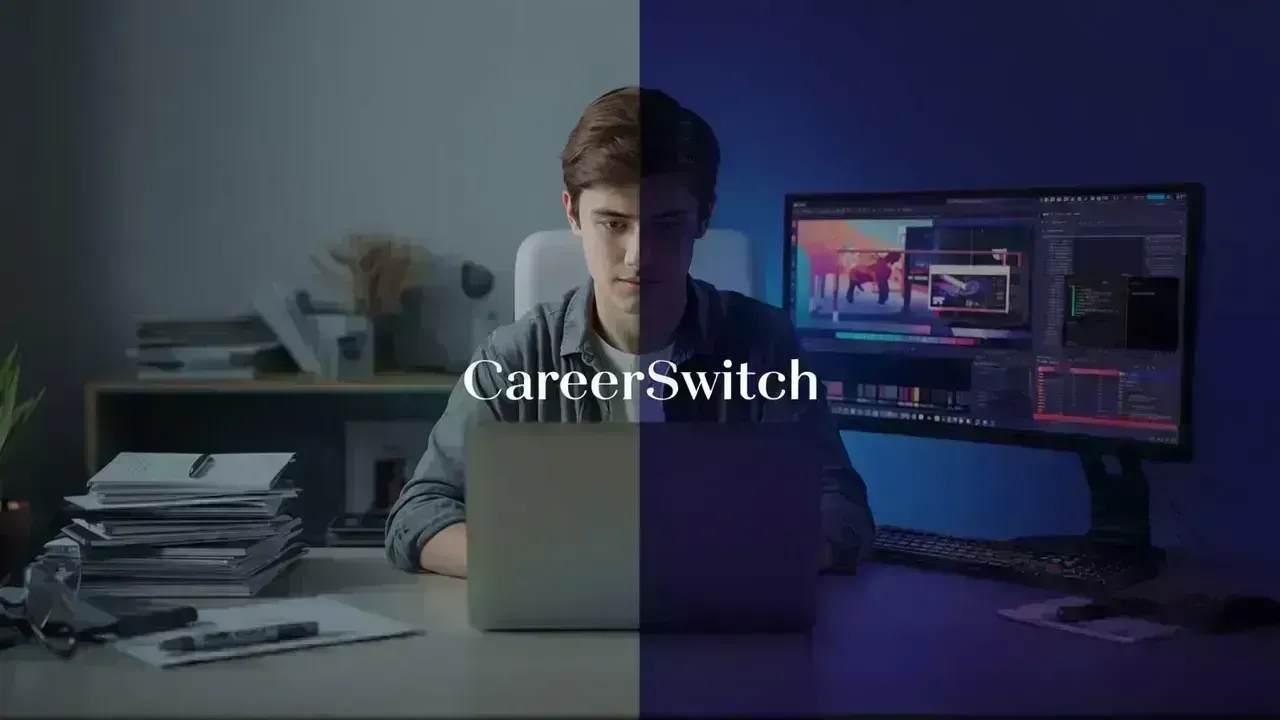
Shifting careers without a relevant degree may seem daunting, yet in a world that values skills over formal education, it’s more achievable than ever. Employers prioritize what you can accomplish rather than what you studied years ago. This evolving landscape creates opportunities for those eager to learn, adapt, and demonstrate their competencies. If you find yourself unfulfilled in your current role or seeking new adventures, you can transition into a different career path without starting from scratch. With the right approach, you can embark on a new journey even without formal qualifications.
Before initiating any changes, it’s crucial to fully grasp your motivations for switching careers. Whether you’re seeking a better salary, enhanced growth possibilities, improved work-life balance, or pursuing a passion, having clarity aids in decision-making. A career transition is challenging and requires patience; knowing your “why” helps maintain focus throughout the process. Lacking this understanding can lead to confusion or discouragement when faced with obstacles.
One of the most straightforward approaches to changing careers without a degree is to explore fields that value skills over formal qualifications. Sectors like digital marketing, data analytics, content creation, design, and technology roles often prioritize practical experience and results. These areas allow you to strengthen your capabilities through experiential learning rather than relying on a particular educational background.
After identifying your desired career path, the next step is to learn the relevant skills. Instead of attempting to master everything at once, concentrate on the key competencies required in the field. Utilize online resources, tutorials, and hands-on practice to develop a solid foundation. The objective is not merely to gain knowledge but to cultivate the capacity to apply it effectively. Even a few weeks of dedicated learning can provide a solid starting point.
A common hurdle when shifting careers is the perceived lack of experience. However, you can proactively gain experience without waiting for a company to hire you. Engage in personal projects, freelance, or volunteer with small businesses. This kind of practical exposure helps you recognize real-world challenges and shows future employers your commitment to your new career journey.
In the absence of a relevant degree, your portfolio stands as a vital asset. It represents tangible proof of your skills and capabilities. Rather than just listing competencies on a resume, illustrate real achievements—projects completed, problems overcome, or results accomplished. A well-curated portfolio fosters trust and enhances your chances of being noticed, even with a different educational history.
Many individuals believe that their past job experiences lose relevance when changing careers, but this is a misconception. Skills like communication, teamwork, problem-solving, and time management hold value across any sector. Additionally, industry-specific knowledge can often be applied creatively. The key lies in relating your previous experience to your new career direction and showcasing its relevance.
Establishing connections can accelerate your career transition. Engaging with professionals already entrenched in your target field allows you to grasp real expectations, necessary skills, and industry trends. Networking can also provide access to opportunities that may not be publicly available. Learning from others’ experiences can save you time and help you navigate common pitfalls.
Embarking on a new career may necessitate starting at a lower position or accepting a reduced salary initially. This is a temporary situation, not a defeat. As you accumulate experience and demonstrate your skills, advancement often becomes quicker. It is essential to maintain patience and focus on long-term growth rather than immediate gains.
The most significant factor influencing success in a career transition is consistency. Acquiring new skills, applying them, and enhancing them over time leads to meaningful progress. Though you may encounter self-doubt or slower results, perseverance makes all the difference. Even small, daily efforts can lead to substantial advancements over time.
While a degree may open certain doors, skills ensure they remain open. In today’s landscape, your ability to adapt and learn carries more weight than your academic credentials. Transitioning careers without a degree is not about taking shortcuts—it’s about executing the right steps with determination and focus.
With a willingness to learn, practice, and remain dedicated, you can forge a brand-new career path that aligns more closely with your objectives.
This article is meant for informational purposes only and does not constitute professional or career advice. Individual outcomes may vary depending on effort, skills, and market demand.








DAE Achieves Remarkable Growth in Q1 2026 With Record Revenue
Dubai Aerospace Enterprise announces impressive financial results for Q1 2026, reflecting a surge in

Price Increase for Sony PS5 in Southeast Asia Effective May 1
Sony announces a price increase for the PS5 across Southeast Asia starting May 1, 2026, impacting ga

Potential ‘Super El Niño’ in 2026: Understanding the Climate Risks
Could a Super El Niño emerge in 2026? Discover its implications and potential global climate impacts

Global Energy Crisis Intensifies: Markets React to Oil Supply Challenges
Markets are on edge as oil disruptions escalate, influencing prices and economic stability. Explore

Must-See Tourist Spots in London You Can't Overlook
Explore London's essential attractions, from royal landmarks to vibrant markets, ensuring an unforge

Ultimate Guide to Snagging Cheap Flights in 2026
Unlock the secrets to booking affordable flights in 2026 with insightful tips and strategies tailore




