Post by : Shakul
In the first quarter of 2026, Indonesia's economy demonstrated a remarkable resilience, achieving a year-on-year growth of 5.6 percent, defying pressures from escalating global oil prices and geopolitical strife. Recent data released by Statistics Indonesia (BPS) highlight this unexpected growth, surpassing both government forecasts and the previous quarter's metrics.
Agency head Amalia Adininggar Widyasanti revealed that the recorded growth outpaced the 5.4 percent observed in the last quarter of 2025. The results indicate that robust household expenditure continues to be a primary driver of economic performance, effectively bolstering domestic demand amidst a backdrop of global uncertainties.
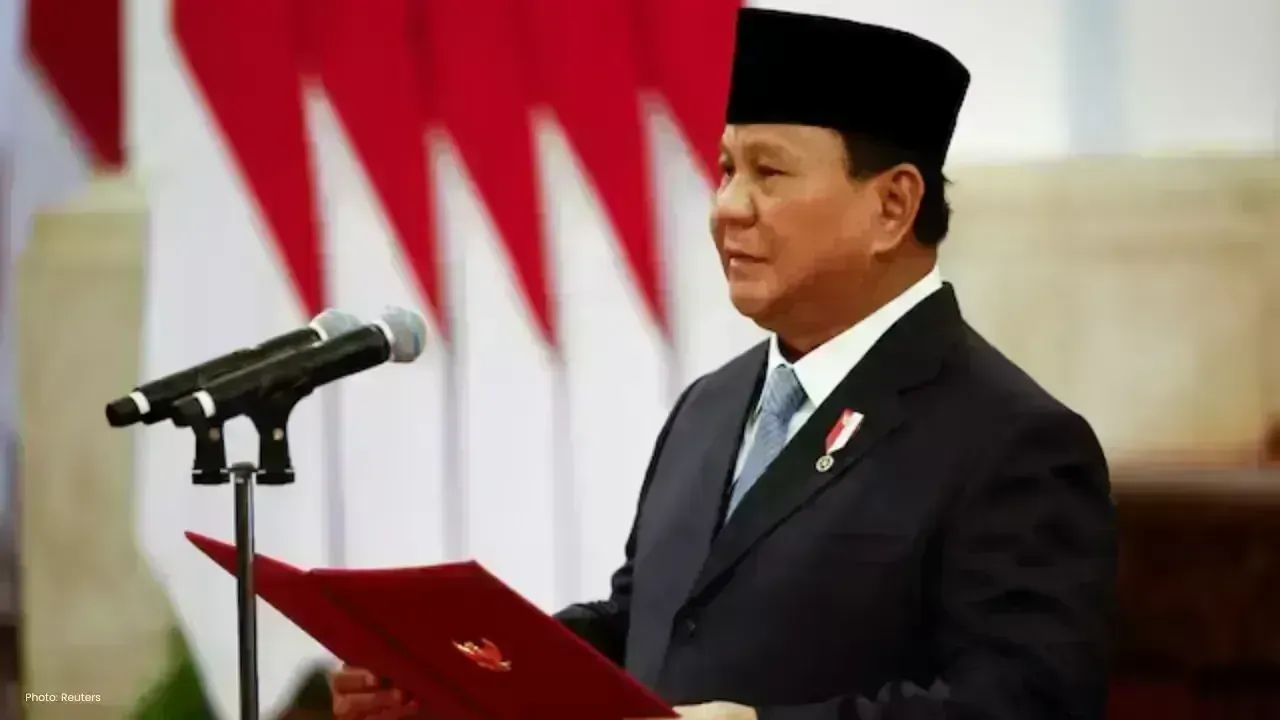
Prabowo Subianto aims to elevate Indonesia's annual growth rate to eight percent by 2029, heavily relying on enhanced public spending and infrastructure development to achieve this target. Analysts note that increased government expenditure has significantly supported economic activity in the early months of 2026.
Official statistics suggest that government spending surged by over 21 percent in Q1 compared to the prior year. Experts emphasize that public investment initiatives, social spending, and infrastructure projects are key contributors to stimulating economic growth and consumer dynamics across various sectors.
Nevertheless, analysts caution that aggressive economic policies could pose long-term challenges if not implemented with care. Concerns linger regarding the potential effects of extensive government involvement on investor confidence, fiscal health, and private sector competitiveness in the long run.
The Indonesian economy is also grappling with the repercussions of rising global oil prices, correlated with ongoing Middle East tensions. Officials noted that a rise of one dollar in international oil prices translates to an approximate Rp 6.8 trillion (nearly US$400 million) additional strain on the national budget. Increased energy costs are likely to heighten inflationary pressures and affect government financial stability.
Economic experts assert that Indonesia's manufacturing, trade, and export sectors remain susceptible to shifts in global demand and geopolitical factors. The unrest in the Middle East has intensified uncertainties in international energy markets, posing risks for emerging economies across Asia.
Despite these challenges, Indonesia's domestic economy shows considerable strength, owing to stable household consumption and ongoing governmental support efforts. Consumer spending continues to play an integral role in bolstering growth as both businesses and households adapt to shifting global economic conditions.
Officials maintain an optimistic outlook on Indonesia’s economic trajectory, believing that sustained investments in infrastructure, public services, and domestic sectors will underpin economic expansion and reinforce the nation’s standing as one of Southeast Asia's leading and rapidly growing economies in the forthcoming years.









DAE Achieves Remarkable Growth in Q1 2026 With Record Revenue
Dubai Aerospace Enterprise announces impressive financial results for Q1 2026, reflecting a surge in

Price Increase for Sony PS5 in Southeast Asia Effective May 1
Sony announces a price increase for the PS5 across Southeast Asia starting May 1, 2026, impacting ga

Potential ‘Super El Niño’ in 2026: Understanding the Climate Risks
Could a Super El Niño emerge in 2026? Discover its implications and potential global climate impacts

Global Energy Crisis Intensifies: Markets React to Oil Supply Challenges
Markets are on edge as oil disruptions escalate, influencing prices and economic stability. Explore

Must-See Tourist Spots in London You Can't Overlook
Explore London's essential attractions, from royal landmarks to vibrant markets, ensuring an unforge

Ultimate Guide to Snagging Cheap Flights in 2026
Unlock the secrets to booking affordable flights in 2026 with insightful tips and strategies tailore




