Post by : Saif Nasser
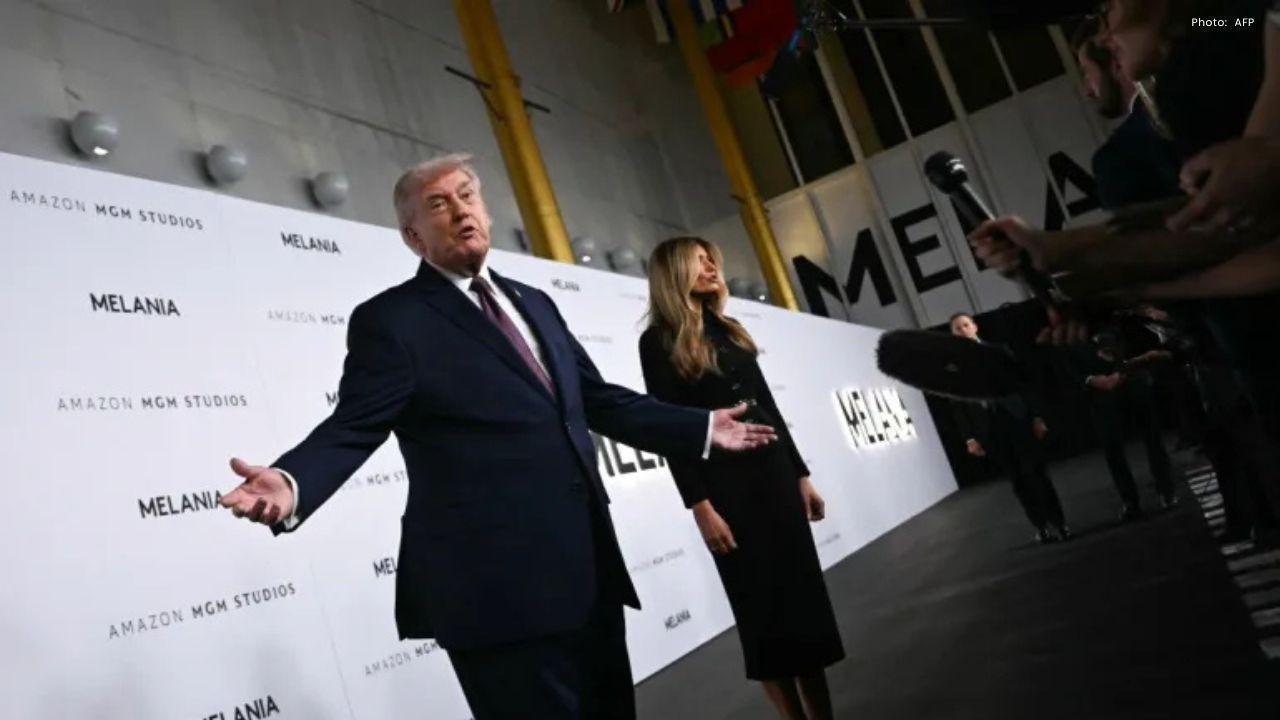
The John F. Kennedy Center for the Performing Arts, one of America’s most important cultural landmarks, is set to close for nearly two years starting in July 2026. The decision was announced by U.S. President Donald Trump and has already sparked strong debate across the country.
The Kennedy Center, located in Washington, D.C., has long served as a national home for music, theater, dance, and opera. It also stands as a living memorial to President John F. Kennedy, who believed deeply in the importance of arts and culture in American life. For decades, artists from around the world have performed on its stages.
President Trump said the closure is necessary to carry out major renovations. According to him, the building is outdated and needs serious repairs to remain safe and modern. He said the renovation project will transform the center into a stronger and more impressive cultural space ahead of America’s 250th Independence anniversary celebrations.
However, the timing and context of the decision have raised concerns. The announcement comes after weeks of backlash from performers and arts organizations. Several artists canceled planned shows after Trump reshaped the leadership of the Kennedy Center and added political influence to its management. Many performers said they were uncomfortable with the new direction and feared a loss of artistic independence.
Some artists believe the renovation could have been done in stages without fully shutting down the center. They worry that closing the venue for two years will harm the cultural scene in Washington and reduce opportunities for performers, staff, and audiences.
Members of the Kennedy family have also expressed disappointment. They argue that the center was meant to unite people through culture, not become part of political disputes. In their view, the closure risks weakening the original purpose of the institution as a symbol of national unity and creativity.
Lawmakers have also questioned whether the decision was rushed. Some members of Congress say they were not properly consulted and want greater transparency about the renovation plans, funding, and long-term impact. Others have warned that the arts should remain free from political pressure.
Supporters of the move say the renovation is overdue and that a full closure will allow faster and safer construction. They argue that once completed, the Kennedy Center will be better equipped to serve future generations.
Still, uncertainty remains. Many performers are now looking for alternative venues, and arts groups fear losing audiences during the long shutdown. Cultural leaders warn that rebuilding trust with the artistic community will be just as important as rebuilding the structure itself.
As the debate continues, the Kennedy Center stands at a turning point. The way this renovation is handled may shape the future of one of America’s most powerful cultural symbols.





DAE Achieves Remarkable Growth in Q1 2026 With Record Revenue
Dubai Aerospace Enterprise announces impressive financial results for Q1 2026, reflecting a surge in

Price Increase for Sony PS5 in Southeast Asia Effective May 1
Sony announces a price increase for the PS5 across Southeast Asia starting May 1, 2026, impacting ga

Potential ‘Super El Niño’ in 2026: Understanding the Climate Risks
Could a Super El Niño emerge in 2026? Discover its implications and potential global climate impacts

Global Energy Crisis Intensifies: Markets React to Oil Supply Challenges
Markets are on edge as oil disruptions escalate, influencing prices and economic stability. Explore

Must-See Tourist Spots in London You Can't Overlook
Explore London's essential attractions, from royal landmarks to vibrant markets, ensuring an unforge

Ultimate Guide to Snagging Cheap Flights in 2026
Unlock the secrets to booking affordable flights in 2026 with insightful tips and strategies tailore




