Post by : Saif Nasser
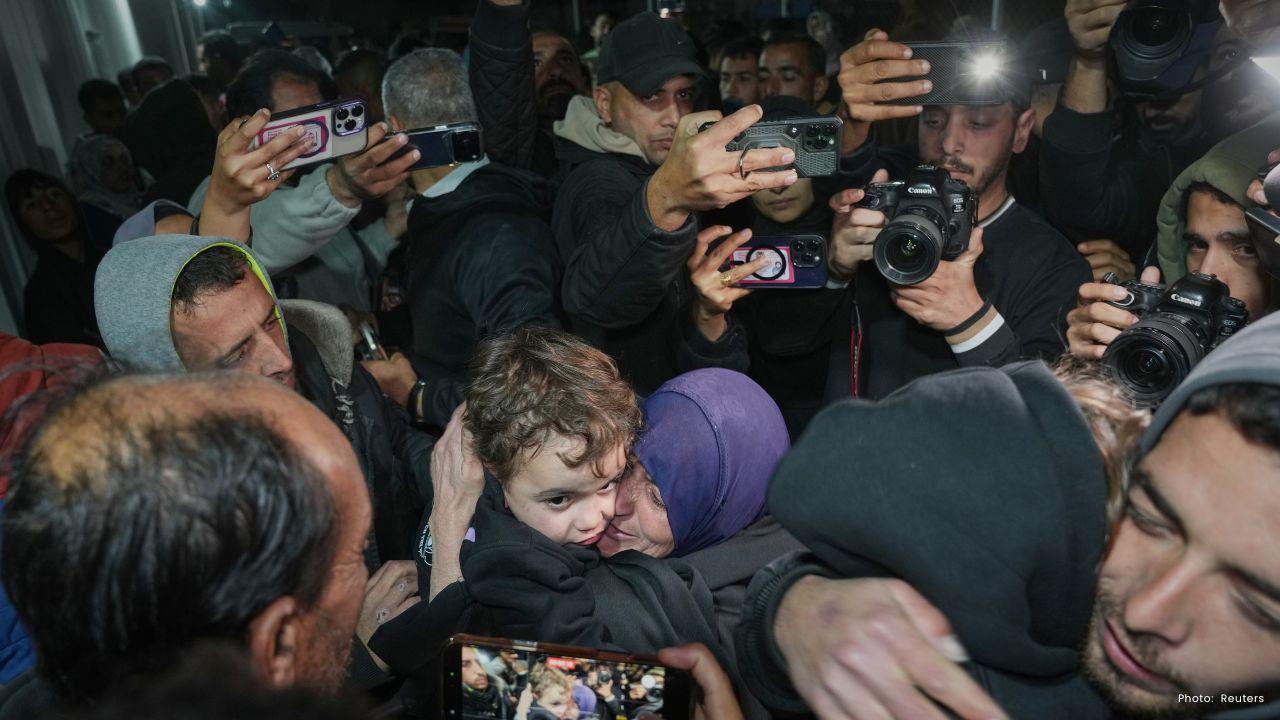
After a long closure, the Rafah border crossing between Gaza and Egypt has reopened. However, only a small number of Palestinians have been allowed to pass through so far. The reopening has brought a mix of hope and frustration for people in Gaza who have been waiting for a chance to travel for medical care, family reasons, or to return home.
On the first days of reopening, movement through the crossing was very limited. Only a few sick and injured Palestinians were allowed to leave Gaza to receive medical treatment abroad. At the same time, a small group of Palestinians was permitted to return to Gaza after staying outside for health care or other urgent needs. Many more people are still waiting for approval.
The Rafah crossing is extremely important for Gaza’s population. It is the only border crossing between Gaza and Egypt and has long been a key route for travel, medical referrals, and humanitarian movement. When it was closed during intense fighting, thousands of people were left stranded, and many patients could not access life-saving treatment outside Gaza.
Health officials say that tens of thousands of Palestinians need urgent medical care that cannot be provided inside Gaza. Hospitals in the territory have been damaged, lack supplies, and are overwhelmed. For many families, the reopening of Rafah raised hopes that patients would finally be able to travel, but the slow pace has caused deep concern.
The reopening is linked to a fragile ceasefire and international efforts to ease the humanitarian crisis. While violence has reduced compared to earlier months, the situation remains unstable. Strict security checks are still in place, and only selected cases are being allowed to cross. People must often wait days or weeks for permission, with no clear timeline.
Humanitarian groups say the current level of movement is not enough to meet the needs of Gaza’s population. They are calling for the crossing to operate more fully and regularly, allowing more patients, students, and families to travel. Aid groups also stress the need for easier entry of medical supplies and essential goods.
For many Palestinians, the limited reopening is a small sign of relief after months of hardship. Yet daily life in Gaza remains extremely difficult. Homes, schools, and hospitals have been badly affected by the conflict, and many families are still struggling to survive.
As the Rafah crossing operates again, people inside Gaza are watching closely. They hope this step will lead to wider access, more freedom of movement, and real humanitarian relief. For now, the slow trickle of crossings shows both progress and how much more still needs to be done.








DAE Achieves Remarkable Growth in Q1 2026 With Record Revenue
Dubai Aerospace Enterprise announces impressive financial results for Q1 2026, reflecting a surge in

Price Increase for Sony PS5 in Southeast Asia Effective May 1
Sony announces a price increase for the PS5 across Southeast Asia starting May 1, 2026, impacting ga

Potential ‘Super El Niño’ in 2026: Understanding the Climate Risks
Could a Super El Niño emerge in 2026? Discover its implications and potential global climate impacts

Global Energy Crisis Intensifies: Markets React to Oil Supply Challenges
Markets are on edge as oil disruptions escalate, influencing prices and economic stability. Explore

Must-See Tourist Spots in London You Can't Overlook
Explore London's essential attractions, from royal landmarks to vibrant markets, ensuring an unforge

Ultimate Guide to Snagging Cheap Flights in 2026
Unlock the secrets to booking affordable flights in 2026 with insightful tips and strategies tailore




