Post by : Shweta
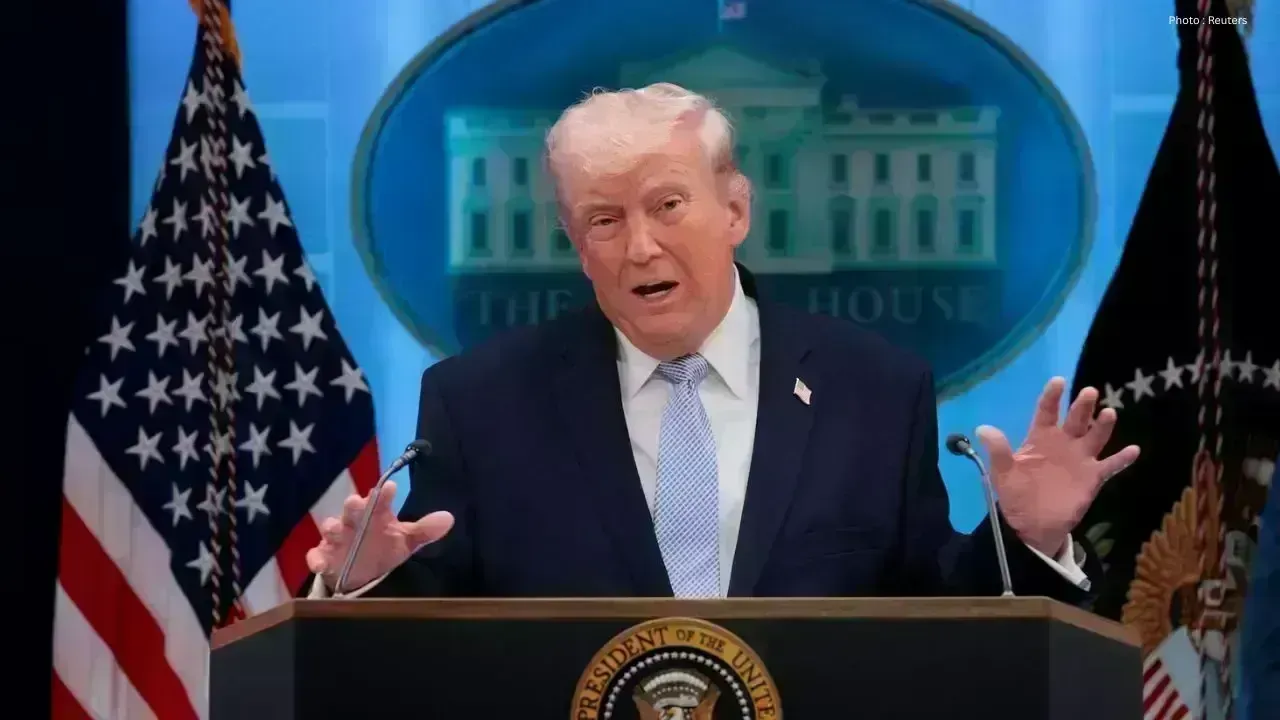
During a recent briefing, US President Donald Trump revealed that discussions aimed at reaching a peace agreement with Iran have reached a stage where they are “largely negotiated.” Trump emphasized that these negotiations may facilitate the reopening of the Strait of Hormuz, a crucial channel for global oil logistics, amid diplomatic engagement involving various Middle Eastern nations and international negotiators.
As per Trump's comments, though some final aspects of the deal remain in flux, significant portions have already been settled. The expected agreement is anticipated to target a de-escalation of military confrontations, the reopening of the vital Strait for international trade, and the commencement of fresh talks regarding Iran's nuclear aspirations. Moreover, he noted that regional leaders urge the US to proceed with this initiative to mitigate further unrest in the Gulf.
The Strait of Hormuz serves as a key maritime corridor situated between Iran and Oman, witnessing the transit of nearly 20% of the globe's oil supply every day. Recent months have seen mounting disruptions in the area due to heightened strains between Iran, the US, and Israel, raising the specter of a broader conflict and causing oil prices to surge.
Reportedly, aspects of the proposed agreement might involve a temporary halt to military actions, the removal of naval mines within the Strait, and smoother passage for trade vessels. In exchange, the US could consider easing some restrictions on Iranian ports and potentially granting limited relief from sanctions impacting oil exports. Nonetheless, Iranian officials have not fully validated Trump’s claims, indicating that Tehran desires assurance over security matters in the Strait and continues to call for protections against future US military interventions.
Diplomatic initiatives have reportedly included participation from leaders of several nations including Pakistan, Saudi Arabia, Qatar, the UAE, Egypt, Jordan, and Turkey. Pakistani representatives remarked that recent discussions showed “encouraging progress,” while they continue to engage with both Washington and Tehran to avoid military escalation.
US Secretary of State Marco Rubio also acknowledged the advances being made in negotiations, yet stressed that several crucial topics remain unresolved, including Iran's nuclear enrichment and missile development activities, as well as demands for sanctions relief. Experts caution that reaching a conclusive deal may require additional time, as several significant security and political disagreements persist.
The potential reopening of the Strait of Hormuz has already stirred global markets, with oil prices showing declines upon news of the possible diplomatic breakthroughs aimed at stabilizing the region and enhancing worldwide energy supplies. Analysts indicate that a successful resolution would have ramifications not just for the Middle East but also for international trade dynamics, oil markets, and overall global security.




Anticipated Dates for UAE Eid Al Adha 2026 Unveiled by Astronomical Experts
Experts predict Eid Al Adha 2026 in the UAE to start on May 27, prompting early holiday planning amo

DAE Achieves Remarkable Growth in Q1 2026 With Record Revenue
Dubai Aerospace Enterprise announces impressive financial results for Q1 2026, reflecting a surge in

Price Increase for Sony PS5 in Southeast Asia Effective May 1
Sony announces a price increase for the PS5 across Southeast Asia starting May 1, 2026, impacting ga

Potential ‘Super El Niño’ in 2026: Understanding the Climate Risks
Could a Super El Niño emerge in 2026? Discover its implications and potential global climate impacts

Global Energy Crisis Intensifies: Markets React to Oil Supply Challenges
Markets are on edge as oil disruptions escalate, influencing prices and economic stability. Explore

Must-See Tourist Spots in London You Can't Overlook
Explore London's essential attractions, from royal landmarks to vibrant markets, ensuring an unforge




