Post by : Shweta
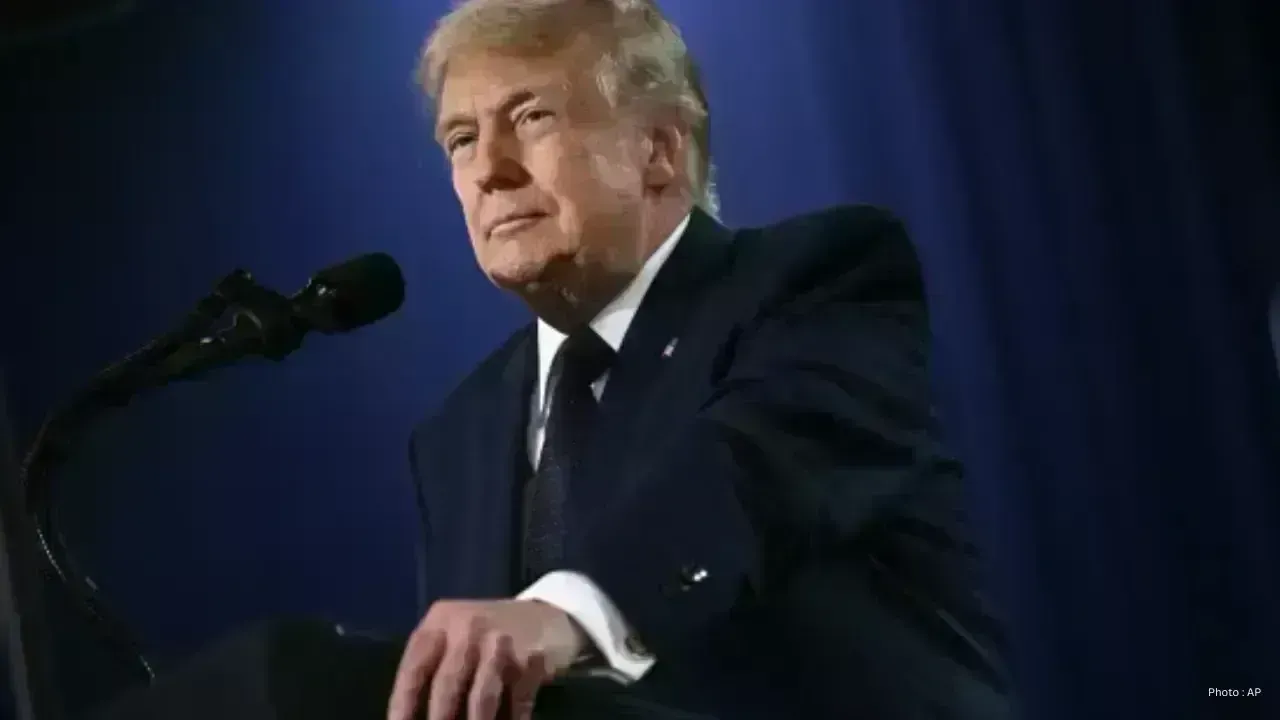
US Secretary of State Marco Rubio remarked that President Donald Trump is “not going to make a bad deal” as talks regarding a potential peace agreement with Iran continue. These negotiations are linked to the Middle East conflict and the potential reopening of the Strait of Hormuz. Rubio characterized the existing proposal as “pretty solid,” emphasizing that any agreement must prioritize American interests and enhance regional security.
This statement follows Trump's claim that negotiations for a deal with Iran and the reopening of the Strait of Hormuz are “largely negotiated.” Trump has also indicated to his team to avoid rushing into finalizing any agreement. Reports highlight that the proposed framework consists of a ceasefire, the reopening of this crucial shipping route, and renewed discussions on Iran's nuclear activities and sanctions relief.
The Strait of Hormuz is vital for global oil transport, accounting for nearly one-fifth of the world’s oil supplies. Recent tensions involving Iran, the United States, and Israel have led to disruptions in shipping and sparked concerns of a wider regional conflict. Additionally, global oil prices have fluctuated due to the uncertainty surrounding this strategic area and military exercises in the Gulf.
Media reports citing senior US officials indicate that Iran has agreed “in principle” to discussions about reopening the Strait of Hormuz and managing its enriched uranium stocks. As a potential trade-off, the United States may ease certain restrictions on naval blockades and Iranian oil exports. However, profound disagreements remain concerning Iran’s nuclear program, sanctions relief, and regional security protocols.
Rubio has faced criticism from various Republican leaders and foreign policy experts who worry the proposed agreement could offer Iran excessive concessions. Detractors argue that reducing sanctions or pressure on Iran without stringent guarantees could amplify its influence in the region. Despite the pushback, Rubio defended the diplomatic initiative, noting the administration’s aim to avert extended conflict in the Middle East.
Iranian authorities have yet to fully verify the claims made by Trump and US officials. Broadcasts from Iranian media suggest the country is seeking stronger assurances regarding military actions and control over shipping security in the Strait of Hormuz. Caution prevails in Tehran due to previous tensions and the breakdown of earlier nuclear agreements.
Ongoing diplomatic efforts are underway involving Pakistan, Saudi Arabia, Qatar, Turkey, Oman, and the UAE, as regional leaders advocate for a peaceful resolution. Analysts posit that a successful agreement could mitigate military tensions, stabilize global energy markets, and avert another significant escalation in the Middle East. Nevertheless, experts caution that negotiations remain precarious and could face hurdles if there are unresolved issues related to nuclear restrictions and sanctions.


Anticipated Dates for UAE Eid Al Adha 2026 Unveiled by Astronomical Experts
Experts predict Eid Al Adha 2026 in the UAE to start on May 27, prompting early holiday planning amo

DAE Achieves Remarkable Growth in Q1 2026 With Record Revenue
Dubai Aerospace Enterprise announces impressive financial results for Q1 2026, reflecting a surge in

Price Increase for Sony PS5 in Southeast Asia Effective May 1
Sony announces a price increase for the PS5 across Southeast Asia starting May 1, 2026, impacting ga

Potential ‘Super El Niño’ in 2026: Understanding the Climate Risks
Could a Super El Niño emerge in 2026? Discover its implications and potential global climate impacts

Global Energy Crisis Intensifies: Markets React to Oil Supply Challenges
Markets are on edge as oil disruptions escalate, influencing prices and economic stability. Explore

Must-See Tourist Spots in London You Can't Overlook
Explore London's essential attractions, from royal landmarks to vibrant markets, ensuring an unforge




