Post by : Saif Nasser
A fragile pause in conflict has been extended, but the hope for lasting peace still remains uncertain. Donald Trump has announced an extension of the ceasefire involving Iran, offering a short break from rising tensions. However, questions continue to grow about whether meaningful peace talks will follow.
The ceasefire comes after a period of heightened conflict that raised fears of a wider war in the region. Military actions, strong warnings, and rising mistrust had pushed the situation to a dangerous level. The extension of the ceasefire has helped reduce immediate risks, but it has not solved the deeper issues between the two sides.
At its core, the conflict is driven by long-standing disagreements. These include concerns about security, regional influence, and political control. Over the years, these differences have created a cycle of tension and temporary calm. Each time a ceasefire is announced, there is hope for progress, but lasting solutions have remained difficult to achieve.
The recent extension suggests that both sides may want to avoid further escalation, at least for now. A ceasefire allows time for discussions, planning, and possible negotiations. It also provides relief to civilians who are often the most affected by conflict. Even a short pause can save lives and reduce fear among ordinary people.
However, the future of peace talks is unclear. Reports suggest that trust between the parties is very low. Without trust, it becomes hard to move forward. Each side worries that the other may not keep its promises. This fear slows down progress and makes agreements harder to reach.
Another challenge is the difference in expectations. One side may want immediate changes, while the other may prefer a slower approach. These differences can lead to delays or even breakdowns in talks. In many past cases, peace efforts have failed because the sides could not agree on basic terms.
The role of international actors also adds complexity. Other countries have their own interests in the region. Some support strong action, while others push for dialogue and compromise. This mix of views can make it harder to create a clear and united approach to the crisis.
The extension of the ceasefire has been welcomed by many as a positive step. It shows that there is still space for diplomacy. But it also highlights how fragile the situation remains. A ceasefire without progress in talks can only last for a limited time. Without deeper understanding and agreement, tensions may rise again.
For the people living in the region, the uncertainty is difficult. They have seen cycles of conflict and calm before. Each time, there is hope that peace will last. But repeated setbacks have made many cautious. They want stability, safety, and a future without fear.
From an editorial point of view, this moment should be used wisely. Extending the ceasefire is not enough. It must be followed by serious and honest efforts to build trust and find common ground. Leaders on all sides need to show patience and responsibility.
The international community also has an important role. It should support dialogue, encourage cooperation, and avoid actions that could increase tension. Peace is not built in isolation. It requires support from many sides.
The current situation is a reminder that peace is a process, not a single event. It takes time, effort, and strong leadership. The extension of the ceasefire provides a small window of opportunity. Whether that window leads to real progress depends on the choices made in the coming days.
In the end, the goal is simple but difficult: to move from temporary calm to lasting peace. The road ahead is uncertain, but the need for dialogue has never been greater.









The Impact of Consistent Small Investments on Wealth Building
Discover how investing small amounts regularly can positively transform your financial future over t

7.5 Magnitude Earthquake Strikes Japan, Tsunami Alerts Issued
Japan experiences a hefty 7.5 quake, prompting tsunami alerts and safety measures. Stay updated on a
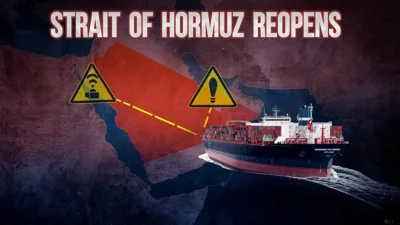
Reopening of the Strait of Hormuz: New Regulations to Impact Global Trade
Iran reopens the strategic Strait of Hormuz with new regulations affecting oil transport and global

Top 10 Must-See Attractions in NYC for First-Time Explorers
Discover essential experiences for first-time visitors to NYC, including attractions, culture, and i

Starbucks Engages Boyu Capital for Major Chinese Expansion
Starbucks teams up with Boyu Capital, selling a majority stake to boost growth and adapt to the Chin

Three Individuals Charged in Massive Meth Trafficking Case in Malaysia
In Malaysia, a married couple and another suspect are charged with trafficking 510kg of meth, facing