Post by : Raina Nasser
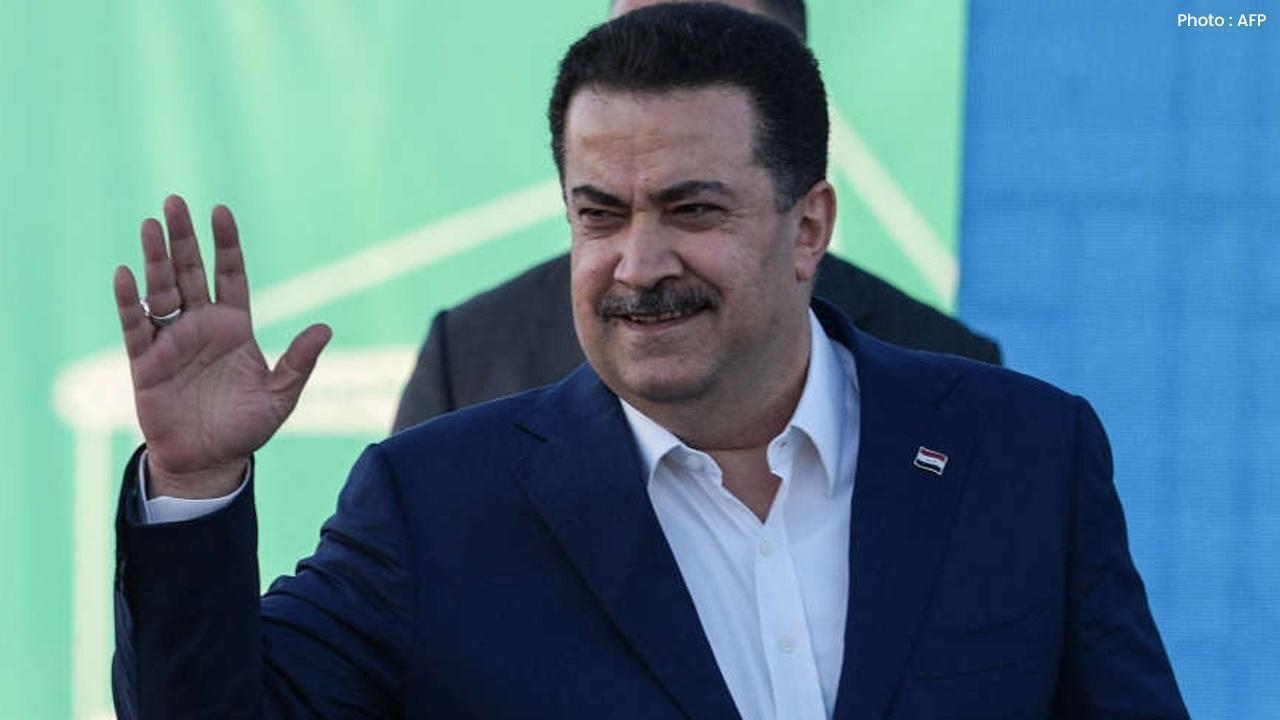
The political alliance led by Prime Minister Mohammed Shia al-Sudani has achieved the most substantial victory in Iraq’s recent parliamentary elections, with final results disclosed on Monday. Nevertheless, forming a new government is anticipated to be protracted as leading political factions engage in negotiations to establish a parliamentary majority.
The Independent High Electoral Commission validated that Sudani’s bloc won 46 of the 329 parliamentary seats, outperforming rival alliances. The State of Law coalition, headed by ex-Prime Minister Nouri al-Maliki, secured 29 seats, while the Taqaddum Party, predominant in Iraq’s Sunni-majority sectors, bagged 27 seats. The Kurdistan Democratic Party (KDP) followed with 26 seats.
Turnout among voters reached 56.11 percent nationwide, indicating a degree of civic engagement in spite of lingering political discontent and a general dissatisfaction from younger demographics.
Government Formation and Challenges Ahead
In response to the results, Iraq's ruling coalition declared itself as the largest bloc within parliament. This coalition, which includes Sudani, is set to press forward with the nomination of a prime minister as part of its governance strategy.
While Sudani aims for a second term, many younger voters expressed their displeasure during the campaign, perceiving the elections as a continuation of established power dynamics that have historically divided Iraq's oil resources. Nonetheless, Sudani has positioned himself as a stabilizing figure capable of fostering improvement in state institutions following years of political instability and security concerns.
Navigating International Relations and Security Concerns
The incoming administration will grapple with significant obligations amidst both local and international pressures. Iraq stands at the crossroads of U.S. and Iranian influence and must carefully manage its diplomatic ties with Washington, while contending with numerous armed factions closely linked to Iran and operating largely independently of state control.
U.S. officials have intensified their demands on Baghdad to mitigate the activities of these armed groups, while entities aligned with Iran maintain political clout and security influence throughout Iraq. Striking a balance between these competing pressures is poised to be one of the most formidable challenges for Iraq's next government.
Political Statements and Projections
Leaders within the ruling alliance conveyed optimism regarding the formation of a government that can tackle the nation’s urgent challenges. Conversely, analysts highlight that the process of establishing a government in Iraq may unfold over several months, necessitating agreement among a spectrum of political entities.
Experts warn that despite Sudani’s bloc winning the most seats, effective negotiations with a variety of parties—including Sunni, Shia, and Kurdish representatives—will be critical for forming a stable governing majority—a historically intricate and time-consuming endeavor.







DAE Achieves Remarkable Growth in Q1 2026 With Record Revenue
Dubai Aerospace Enterprise announces impressive financial results for Q1 2026, reflecting a surge in

Price Increase for Sony PS5 in Southeast Asia Effective May 1
Sony announces a price increase for the PS5 across Southeast Asia starting May 1, 2026, impacting ga

Potential ‘Super El Niño’ in 2026: Understanding the Climate Risks
Could a Super El Niño emerge in 2026? Discover its implications and potential global climate impacts

Global Energy Crisis Intensifies: Markets React to Oil Supply Challenges
Markets are on edge as oil disruptions escalate, influencing prices and economic stability. Explore

Must-See Tourist Spots in London You Can't Overlook
Explore London's essential attractions, from royal landmarks to vibrant markets, ensuring an unforge

Ultimate Guide to Snagging Cheap Flights in 2026
Unlock the secrets to booking affordable flights in 2026 with insightful tips and strategies tailore




