Post by : Sami Jeet
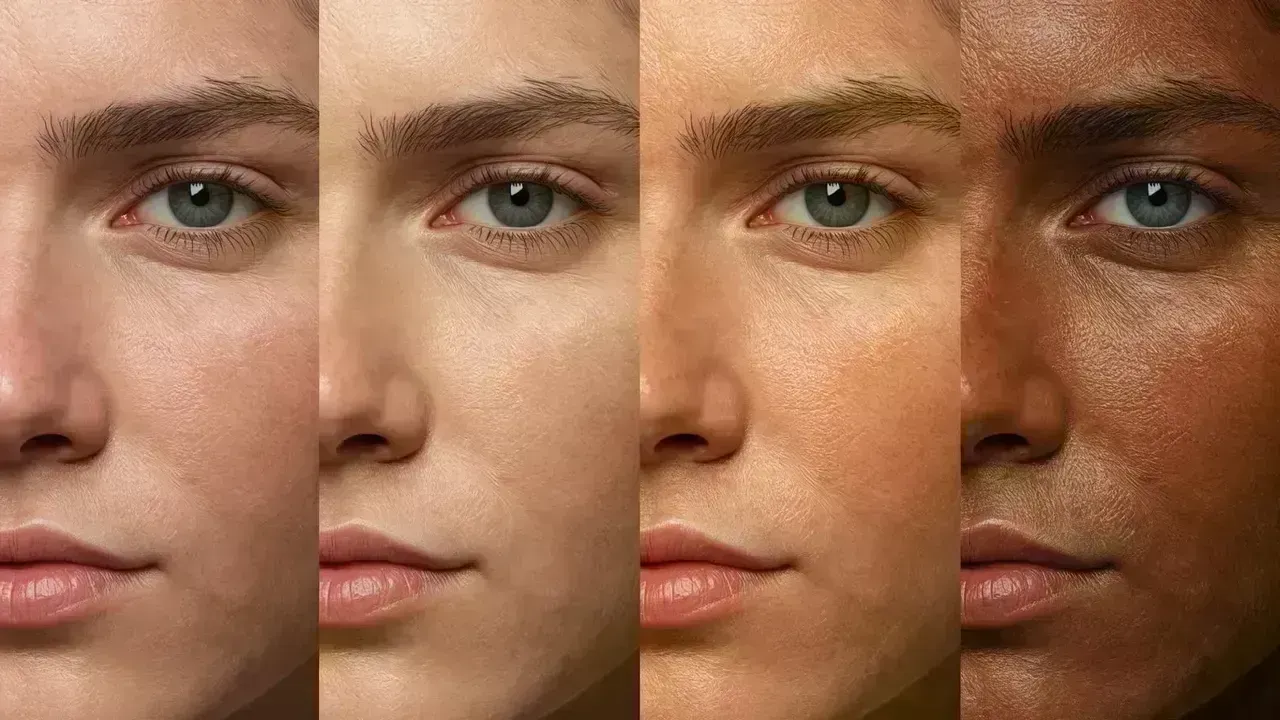
While many believe that skin aging starts with the emergence of wrinkles, fine lines, and sagging, the process actually begins years in advance at a cellular level, often invisible at first glance. These early skin changes are subtle and frequently misinterpreted as mere effects of stress, dehydration, or seasonal variations.
Recognizing these initial signs of aging empowers you to care for your skin proactively, rather than attempting to reverse damage after it occurs. This guide sheds light on the hidden alterations that surface long before visible aging takes hold, as well as the lifestyle factors contributing to this phenomenon.
Skin aging affects more than just appearance; it directly impacts skin functionality. Even with a smooth exterior, internal processes may be in decline.
The notable internal shifts include:
Reduced cell turnover
Decreased collagen and elastin production
Compromised skin barrier
Elevated oxidative stress levels
Decreased moisture retention
These biological changes generally initiate in the mid-to-late 20s, well before any visible signs of aging appear.
Healthy skin continually rejuvenates itself by shedding dead skin cells and generating new ones.
Cell renewal slows progressively
Accumulation of dead skin cells on the surface
A dull and uneven skin appearance
Initially, this doesn’t resemble aging but rather looks like tired or dehydrated skin.
Delayed skin cell turnover results in:
Loss of radiance
Irregular texture
Prolonged healing times
Heightened risk of pigmentation
These factors lay the groundwork for future fine lines.
One of the most neglected indicators of aging is skin barrier impairment.
Seals in moisture
Shields against pollutants and bacteria
Prevents irritation and inflammation
Tightness after washing
Stinging or burning from products
Increased skin sensitivity
Frequent breakouts despite dry skin
Barrier damage can appear years ahead of wrinkles.
Moisturizing goes beyond just applying products—it hinges on the skin's ability to retain water.
Skin feels parched even post-moisturizing
Poor makeup application
Texture appears rough when smiling
Loss of plumpness momentarily
This effect results from diminishing natural moisturizing factors and lipid synthesis.
Elasticity allows skin to recuperate after movement.
Skin takes longer to recover after stretching
Mild laxity becomes evident around the eyes and mouth
Facial contours start to soften subtly
This stage often goes unnoticed due to its gradual development.
Contemporary lifestyles make our skin susceptible to constant micro-inflammation.
Pollution
UV exposure
Elevated stress hormones
Poor-quality sleep
Processed diets
Chronic inflammation gradually undermines collagen, resulting in premature aging.
Oxidative stress arises when free radicals exceed the skin's antioxidant defenses.
UV radiation
Exposure to blue light
Smoking or secondhand smoke
Air pollution
Excessive stress
Oxidative stress can deteriorate skin long before any visible effects appear.
Pigmentation changes don’t solely manifest as dark spots.
Uneven skin tone
Slight shadows near the mouth or eyes
Loss of overall brightness
Mild, lingering redness
Such changes highlight issues with melanin regulation, often associated with sun exposure and inflammation.
A healthy skin microbiome comprises beneficial bacteria that safeguard skin.
Heightened sensitivity
Frequent milder breakouts
Difficulties tolerating products
Sluggish healing
A disturbed microbiome compromises skin resilience, accelerating signs of aging.
Collagen depletion sets in earlier than most realize.
Commences in mid-20s
Declines by approximately 1% each year
Speeds up with UV exposure and stress
The early decline in collagen doesn’t cause immediate wrinkles but weakens structural integrity.
The eye region reveals aging before other areas due to its delicate skin.
Marginal hollowness
Minor creasing during smiles
Dark circles unrelated to poor sleep
Fine lines caused by dehydration
These transformations reflect a decrease in hydration and collagen support.
Aging skin exhibits increased sensitivity.
Unexpected reactions to products
Redness arising from minor stimuli
Increased itchiness
This phenomenon may arise from exposed nerve endings owing to a thinning barrier.
Effective skin repair occurs during uninterrupted sleep.
Limited overnight skin repair
Elevated cortisol levels
Dull skin appearance
Impaired barrier recovery
Ongoing sleep deprivation accelerates invisible aging more than genetic factors.
Extensive screen time can negatively impact skin.
Generates free radicals
Induces pigmentation
Disrupts natural circadian rhythm
Reduces hormone associated with skin repair
This results in early dullness and uneven skin tone.
Skin mirrors the nutritional health of the body.
Vitamin C deficiency hampers collagen support
Vitamin D influences skin immunities
Zinc plays a role in healing
Omega-3 fatty acids maintain barrier integrity
Nutritional shortfalls may not pose immediate health risks but undermine skin resilience.
Chronic stress raises cortisol levels.
Harms collagen
Elevates inflammation
Delays the skin's natural repairs
Worsens skin reactivity
Stress-induced aging frequently manifests before chronological aging.
Even in the absence of wrinkles, certain habits inflict hidden damage:
Neglecting sunscreen
Excessive cleansing
Smoking or vaping
Crash dieting practices
Consuming excessive caffeine without proper hydration
This damage accumulates silently.
Incorporate gentle cleansers
Avoid over-exfoliation
Utilize barrier-repair ingredients
Sunscreen serves as a preventive measure, not merely cosmetic
Balanced nutritional intake
Ensuring adequate protein consumption
Maintaining sufficient hydration
Consistent sleeping habits
Routine for stress relief
Gently cleanse off pollution
Limit unneeded screen exposure
Preventive measures are most effective when implemented early.
Most anti-aging efforts center on rectifying visible harm. Tackling pre-aging signs:
Puts a premium on maintaining natural skin functionality
Postpones visible signs of aging
Minimizes the requirement for aggressive treatment
Protects long-lasting skin health
Skin starts aging discreetly long before it shows any wrinkles.
Aging unfolds gradually—it's a layered, slow process that begins below the skin. By identifying early changes, you can better support your skin while it’s still in its prime and resilient. Prevention is less about fearing aging and more about safeguarding skin health over time.
Healthy skin has a better chance to age gracefully, slowly, and beautifully.
Disclaimer
This article serves educational and informational purposes and is not a substitute for official dermatological or medical consultations. Patterns of skin aging vary by individual, influenced by genetics, health conditions, environment, and lifestyle. Seek advice from a qualified dermatologist or healthcare provider for any persistent skin issues.










Anticipated Dates for UAE Eid Al Adha 2026 Unveiled by Astronomical Experts
Experts predict Eid Al Adha 2026 in the UAE to start on May 27, prompting early holiday planning amo

DAE Achieves Remarkable Growth in Q1 2026 With Record Revenue
Dubai Aerospace Enterprise announces impressive financial results for Q1 2026, reflecting a surge in

Price Increase for Sony PS5 in Southeast Asia Effective May 1
Sony announces a price increase for the PS5 across Southeast Asia starting May 1, 2026, impacting ga

Potential ‘Super El Niño’ in 2026: Understanding the Climate Risks
Could a Super El Niño emerge in 2026? Discover its implications and potential global climate impacts

Global Energy Crisis Intensifies: Markets React to Oil Supply Challenges
Markets are on edge as oil disruptions escalate, influencing prices and economic stability. Explore

Must-See Tourist Spots in London You Can't Overlook
Explore London's essential attractions, from royal landmarks to vibrant markets, ensuring an unforge




