Post by : Saif Nasser
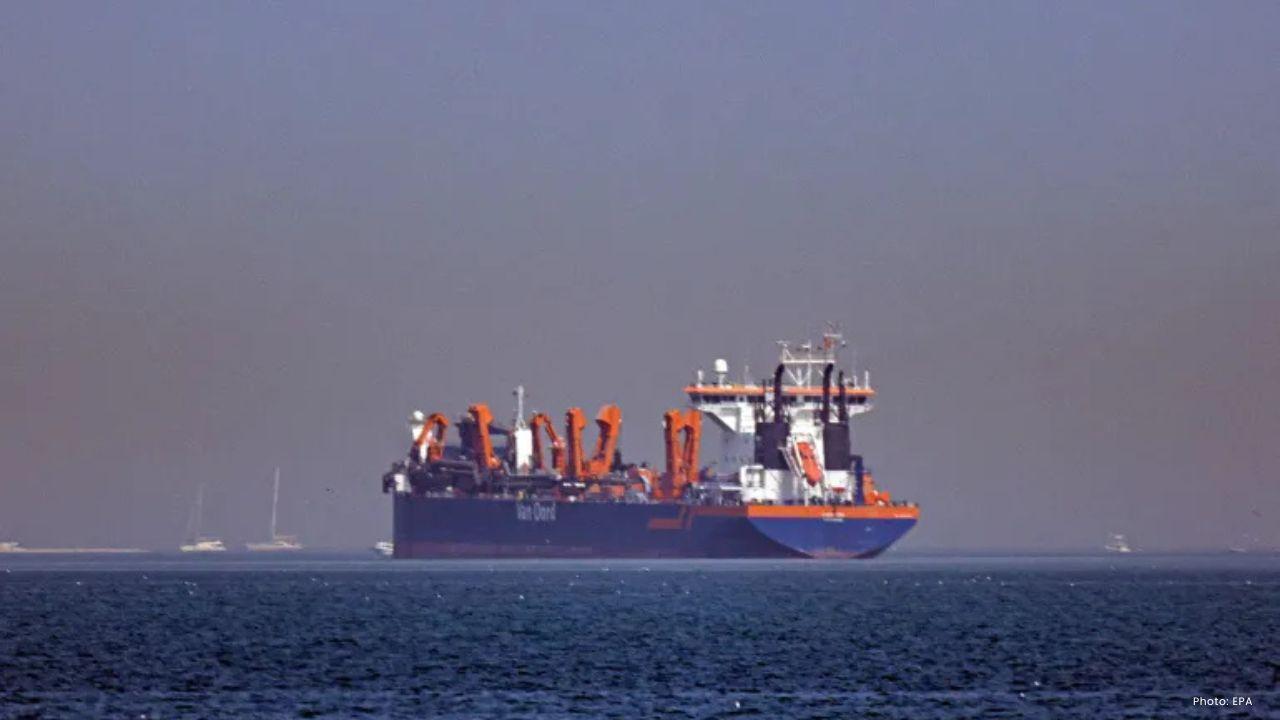
Fears of a possible shutdown of the Strait of Hormuz are spreading across global markets. This narrow sea route is one of the most important paths for oil shipments in the world. If it becomes blocked, oil prices could rise quickly, and the effects could be felt far beyond the Middle East.
The Strait of Hormuz sits between Iran and Oman. It connects the Persian Gulf to the open ocean. Every day, a large share of the world’s oil passes through this waterway. Many oil-producing nations depend on this route to send energy supplies to Asia, Europe, and other regions.
Recent tensions in the region have increased worries about the safety of ships moving through the strait. Military activity and political threats have created uncertainty. Even without a full closure, the risk alone has already pushed oil prices upward. Markets react fast when there is fear about supply problems.
If ships are unable to move through the strait, global oil supply would drop. When supply falls and demand remains strong, prices rise. This basic rule of economics explains why energy markets are so sensitive to events in this area.
Higher oil prices affect daily life. Fuel for cars becomes more expensive. Airlines pay more for jet fuel, which can increase ticket prices. Trucking costs rise, and businesses often pass those costs to customers. As a result, food and other goods may become more costly.
Inflation is another concern. When energy prices rise, many other prices follow. Families may find it harder to manage their budgets. Small businesses may struggle with higher operating costs. A long period of high oil prices can slow economic growth.
Natural gas shipments are also at risk. Many countries depend on gas that travels through the Strait of Hormuz. If supplies are disrupted, electricity and heating costs could increase in several regions.
Experts say that if the strait remains blocked for an extended period, oil prices could cross the 100-dollar mark per barrel. Such a rise would put strong pressure on global economies, especially countries that import most of their energy.
Oil-producing nations may try to raise output to ease pressure on markets. However, much of that oil still needs to pass through the same route. This makes the situation complex and difficult to solve quickly.
Financial markets are watching closely. Investors prefer stability, and rising tensions often lead to market swings. Stock prices may fall if energy costs continue to climb.
The Strait of Hormuz shows how connected the world economy has become. A problem in one narrow waterway can influence fuel prices, food costs, and economic growth around the globe.
Diplomatic efforts may help reduce tension and protect shipping routes. Keeping the strait open is important not only for oil exporters but also for ordinary people who depend on affordable energy.
The coming days will be important. If calm returns, markets may settle. But if tensions grow and shipping slows, the world could face higher fuel prices and added economic strain.









Reopening of the Strait of Hormuz: New Regulations to Impact Global Trade
Iran reopens the strategic Strait of Hormuz with new regulations affecting oil transport and global

Top 10 Must-See Attractions in NYC for First-Time Explorers
Discover essential experiences for first-time visitors to NYC, including attractions, culture, and i

Starbucks Engages Boyu Capital for Major Chinese Expansion
Starbucks teams up with Boyu Capital, selling a majority stake to boost growth and adapt to the Chin

Three Individuals Charged in Massive Meth Trafficking Case in Malaysia
In Malaysia, a married couple and another suspect are charged with trafficking 510kg of meth, facing
Singapore Police Revisit Geylang Murder Scene with Suspect
In Geylang, police return a murder suspect to the scene of a crime involving the fatal stabbing of a