Post by : Saif Nasser
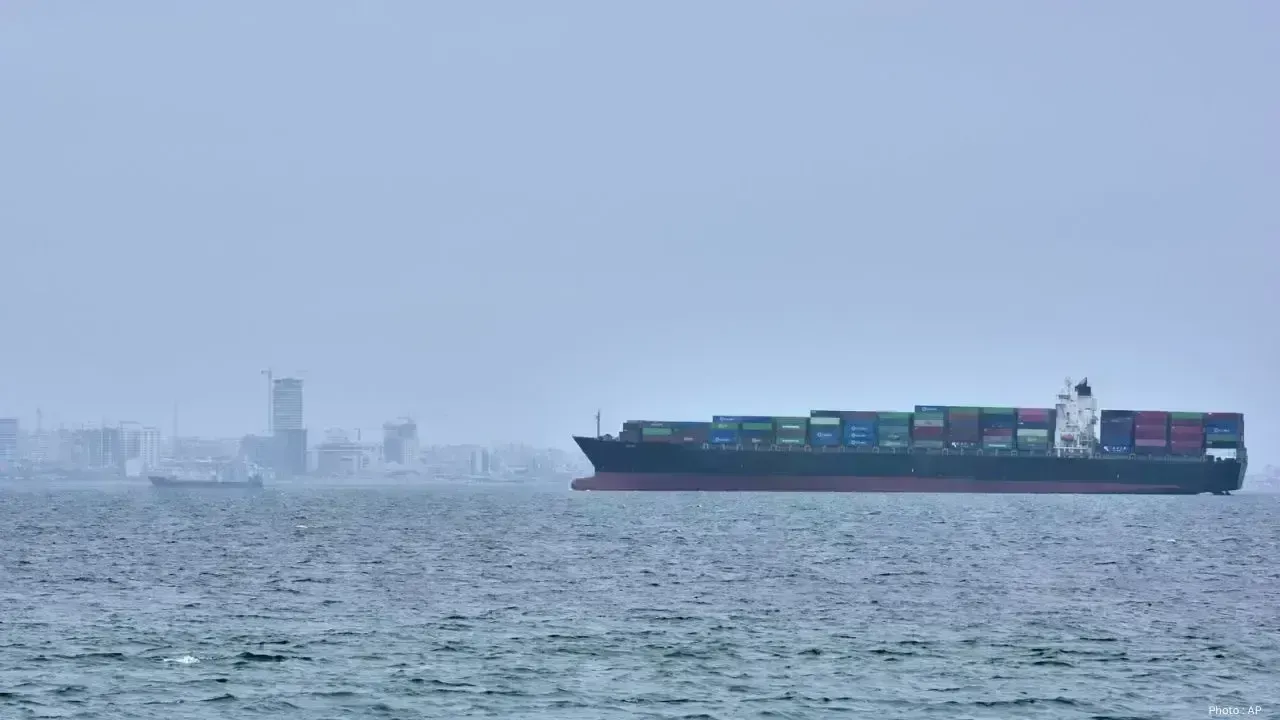
The situation in the Strait of Hormuz has become a major global concern as tensions between Iran and the United States continue to rise. This narrow waterway is one of the most important routes for oil transport in the world. Any disruption here can affect energy supply, trade, and economies across many countries.
Recent reports suggest that shipping activity in the region has slowed down due to security fears. Oil tankers and cargo ships are moving more cautiously, and some companies are even avoiding the route. This has created uncertainty in global markets and pushed oil prices higher.
The Strait of Hormuz carries a large share of the world’s oil. When this flow is threatened, the impact is felt far beyond the Middle East. Countries that depend on imported oil may face rising fuel costs, which can affect transportation, food prices, and daily expenses.
The current crisis is linked to growing tensions between Iran and the United States. Both sides have increased their military presence in the region. While the United States is trying to protect shipping routes, Iran has shown that it can challenge movement through the strait. This has created a situation where both sides are active, but no clear solution is in sight.
From an editorial point of view, this situation highlights how fragile global trade routes can be. Even a small disruption in a key location can have a large impact on the global economy. It also shows how closely energy markets are connected to political events.
Experts believe that securing the Strait of Hormuz is not an easy task. The waterway is narrow, busy, and difficult to control completely. Modern tactics, including small boats and drones, have made it more challenging for large naval forces to ensure full safety for ships.
Another important concern is the risk of escalation. If tensions continue to grow, the region could face a larger conflict. This would not only affect oil supply but also disrupt global trade and increase economic pressure on many countries.
Some companies are looking for alternative routes to avoid the strait, but these options are limited and often more expensive. This means the Strait of Hormuz will continue to remain a critical route for global energy supply.
For developing countries, the situation is especially serious. Rising oil prices can lead to inflation, making basic goods more expensive. This puts pressure on families and slows economic growth.
At the same time, the crisis shows the need for strong diplomatic efforts. Military presence can help manage the situation, but long-term stability will depend on dialogue and cooperation between countries.
The current tension in the Strait of Hormuz is not just a regional issue. It is a global challenge that affects energy security, trade, and economic stability. The coming days will be important in deciding whether the situation improves or becomes more serious.







Global Energy Crisis Intensifies: Markets React to Oil Supply Challenges
Markets are on edge as oil disruptions escalate, influencing prices and economic stability. Explore

Must-See Tourist Spots in London You Can't Overlook
Explore London's essential attractions, from royal landmarks to vibrant markets, ensuring an unforge

Ultimate Guide to Snagging Cheap Flights in 2026
Unlock the secrets to booking affordable flights in 2026 with insightful tips and strategies tailore

The Impact of Consistent Small Investments on Wealth Building
Discover how investing small amounts regularly can positively transform your financial future over t

7.5 Magnitude Earthquake Strikes Japan, Tsunami Alerts Issued
Japan experiences a hefty 7.5 quake, prompting tsunami alerts and safety measures. Stay updated on a
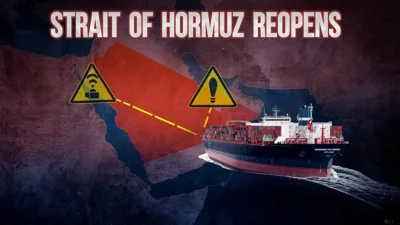
Reopening of the Strait of Hormuz: New Regulations to Impact Global Trade
Iran reopens the strategic Strait of Hormuz with new regulations affecting oil transport and global