Post by : Saif Nasser
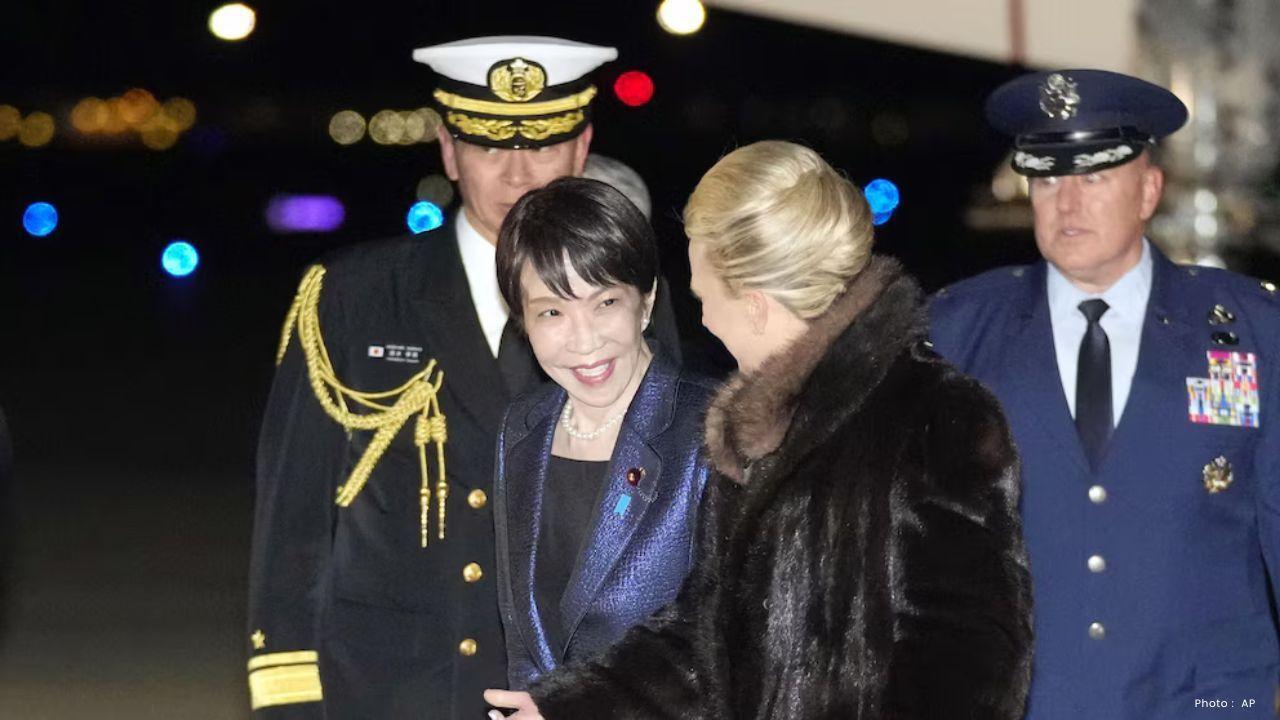
Rising tensions in the Middle East have brought new pressure on global alliances, as Donald Trump called on Japan to play a bigger role in securing key energy routes. His remarks came during talks with Sanae Takaichi, at a time when the crisis around the Strait of Hormuz is deepening.
The Strait of Hormuz is one of the most important waterways in the world. A large portion of global oil passes through this narrow route every day. Because of the ongoing conflict involving Iran, the area has become unsafe, and shipping activity has been disrupted. This has already started to affect global oil prices and raised fears about supply shortages.
During the meeting, Trump expressed concern that some U.S. allies are not doing enough to help protect the route. He urged countries like Japan to contribute more, especially in ensuring that oil tankers can move safely through the region. His message reflects growing pressure on allies to share responsibility in managing global security challenges.
However, Japan’s situation is not simple. The country has strict constitutional limits on military action, especially outside its own borders. Because of this, Japan cannot easily send combat forces to conflict zones. This makes it difficult for its government to respond fully to such requests.
At the same time, Japan depends heavily on oil imports from the Middle East. Any disruption in the Strait of Hormuz directly affects its economy. Rising oil prices can increase costs for industries, transport, and daily life for people. This creates a difficult balance between economic needs and political limits.
Reports suggest that Japan may still look at ways to offer support without direct military involvement. This could include activities like surveillance, logistical help, or clearing sea routes. Such steps would allow Japan to assist without breaking its legal restrictions.
The situation also highlights growing tension between the United States and its allies. Trump has openly criticized countries that he feels are not contributing enough. This has created pressure within alliances, as each country tries to balance its own interests with global expectations.
Beyond the immediate issue, the crisis is already affecting global markets. Oil prices have shown strong movement due to fears that supply routes could be blocked. If the situation worsens, it could lead to higher fuel prices, increased inflation, and economic pressure worldwide.
From an editorial point of view, this moment shows how complex global cooperation has become. Countries may agree on the importance of security, but their ability to act is often limited by internal laws and public opinion.
Trump’s push for greater involvement reflects the urgency of the situation, but it also raises questions about how responsibilities should be shared among allies. Not all countries have the same capacity or freedom to act in military matters.
For Japan, the challenge is clear. It must protect its energy needs, maintain strong ties with the United States, and follow its own constitutional rules. This balancing act is not easy, especially during a time of crisis.
As tensions continue in the Middle East, the future of the Strait of Hormuz remains uncertain. The decisions made by global leaders in the coming days will play a key role in shaping both regional stability and the global economy.




Anticipated Dates for UAE Eid Al Adha 2026 Unveiled by Astronomical Experts
Experts predict Eid Al Adha 2026 in the UAE to start on May 27, prompting early holiday planning amo

DAE Achieves Remarkable Growth in Q1 2026 With Record Revenue
Dubai Aerospace Enterprise announces impressive financial results for Q1 2026, reflecting a surge in

Price Increase for Sony PS5 in Southeast Asia Effective May 1
Sony announces a price increase for the PS5 across Southeast Asia starting May 1, 2026, impacting ga

Potential ‘Super El Niño’ in 2026: Understanding the Climate Risks
Could a Super El Niño emerge in 2026? Discover its implications and potential global climate impacts

Global Energy Crisis Intensifies: Markets React to Oil Supply Challenges
Markets are on edge as oil disruptions escalate, influencing prices and economic stability. Explore

Must-See Tourist Spots in London You Can't Overlook
Explore London's essential attractions, from royal landmarks to vibrant markets, ensuring an unforge




