Post by : Saif Nasser
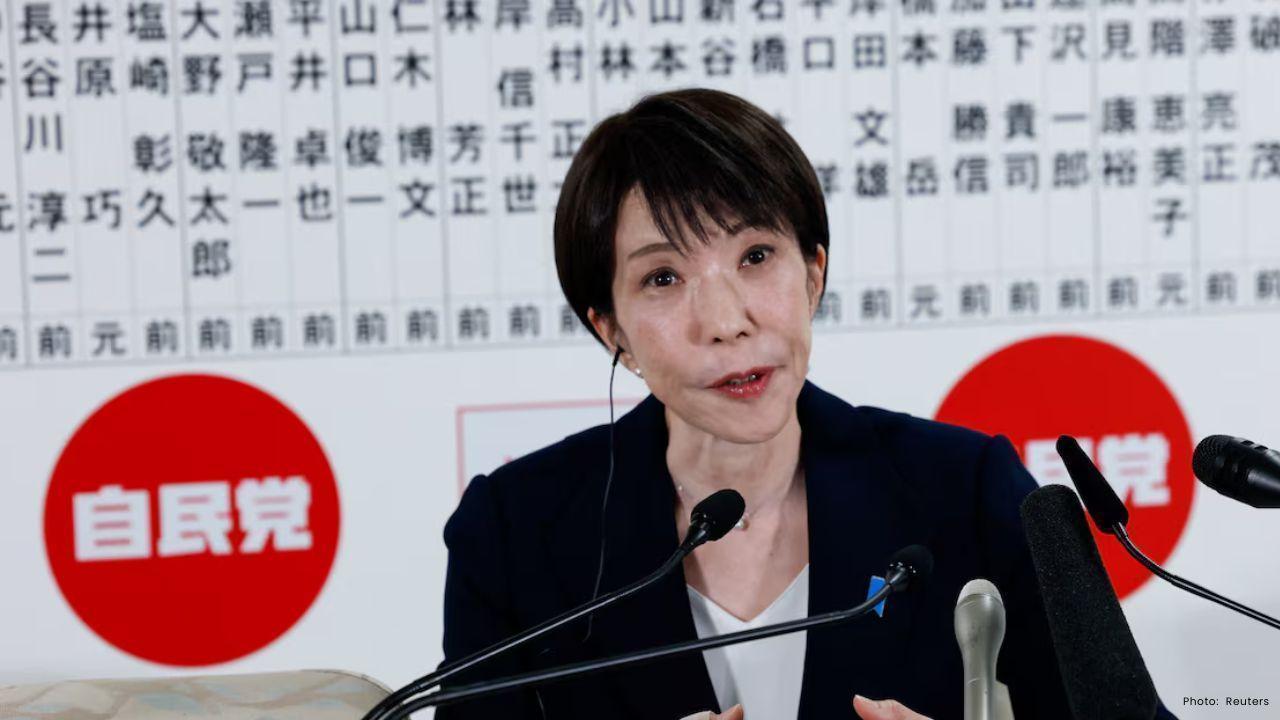
Japan’s Prime Minister Sanae Takaichi has secured a historic election victory, giving her ruling coalition a powerful supermajority in the country’s lower house of parliament. The result is one of the strongest mandates seen in recent Japanese politics and gives her government wide room to pass new laws and push major policy changes. Takaichi, Japan’s first female prime minister, is often called the country’s “Iron Lady” because of her firm and direct political style, and this election has confirmed her growing influence.
Her Liberal Democratic Party won 316 out of 465 seats in the lower house. Together with its coalition partner, the Japan Innovation Party, the government now holds 352 seats, which is more than the two-thirds needed to override many upper house objections. This kind of majority is rare and gives the prime minister strong control over the legislative agenda. It means her government can move faster on economic reforms, tax changes, and national security plans without facing constant political blocks.
The election itself was unusual because it was held in winter. Japan normally votes in milder seasons, but Takaichi called a snap poll while her public approval ratings were high. Many experts said it was a risky move because heavy snow and freezing weather could reduce voter turnout. In several regions, snowstorms slowed traffic and made it difficult for people to reach polling stations. Some centers even closed early due to weather conditions. Still, many voters showed up, and the final result showed strong nationwide support for her leadership.
During the campaign, Takaichi focused on two main promises: easing the financial burden on households and strengthening national defense. She proposed suspending the 8% sales tax on food items to help families facing rising prices. This idea was popular with many voters who are worried about the cost of living. At the same time, economists and investors have raised concerns about how the government will cover the lost tax revenue. Japan already carries a very high level of public debt compared to other developed countries. Market analysts say the government will need a clear funding plan to keep financial stability while offering tax relief. Takaichi has said she will move carefully and balance tax cuts with long-term fiscal discipline.
Defense policy was another key theme in her campaign. She wants to increase military readiness and spending as regional tensions grow, especially around China and Taiwan. Her government believes Japan must be better prepared for security risks and protect critical technology and supply chains. Supporters say this is a realistic response to a changing security environment. Critics worry it could raise tensions in the region and increase defense costs too quickly.
Takaichi has also built an unusual level of popularity among younger voters. Her straightforward speaking style and strong positions have connected with people who often feel distant from traditional politics. A youth-driven support trend has even formed around her public image and personal style, which is rare in Japan’s normally formal political culture. This energy from younger voters helped boost turnout and support for her party.
Business leaders have mostly welcomed the election outcome, saying it brings political stability at an important economic moment. Industry groups say steady leadership can help companies plan investments and long-term projects. At the same time, financial markets remain cautious about the cost of tax cuts and expanded defense budgets. Investors are watching closely to see how the government turns campaign promises into workable policy.
Her foreign policy stance has already drawn strong reactions abroad. Relations with China have been tense since she spoke openly about how Japan might respond if Taiwan were attacked. Beijing reacted sharply and took countermeasures, including warning its citizens about travel to Japan. Experts believe her stronger mandate could speed up defense reforms, which China may see as unfriendly. However, Japanese defense officials say they still want dialogue with China alongside stronger security planning.
Other international leaders responded more positively. The U.S. president congratulated her and praised her security-focused agenda. Taiwan’s leadership also welcomed her victory and expressed hope for closer cooperation with Japan in the region. These mixed reactions show how closely other countries are watching Japan’s political direction under her leadership.
With such a large parliamentary majority, Takaichi now has the power to act — but also the responsibility to deliver results. Voters will expect real relief from rising prices, careful handling of national finances, and steady leadership in foreign affairs. A supermajority makes lawmaking easier, but it also removes excuses for failure. The coming months will show whether this historic win leads to lasting economic strength, stable finances, and balanced security policy for Japan.







Starbucks Engages Boyu Capital for Major Chinese Expansion
Starbucks teams up with Boyu Capital, selling a majority stake to boost growth and adapt to the Chin

Three Individuals Charged in Massive Meth Trafficking Case in Malaysia
In Malaysia, a married couple and another suspect are charged with trafficking 510kg of meth, facing

Singapore Police Revisit Geylang Murder Scene with Suspect
In Geylang, police return a murder suspect to the scene of a crime involving the fatal stabbing of a

Mattel Revives Masters of the Universe Action Figures Ahead of Film Launch
Mattel is reintroducing Masters of the Universe figures in line with its upcoming film, tapping into

China Executes 11 Members of Criminal Clan Linked to Myanmar Scam
China has executed 11 criminals associated with the Ming family, known for major scams and human tra