Post by : Saif Nasser
Russia says that continuing talks with Ukraine is in its own interest. The Kremlin, which is the central government in Moscow, made this point clear after renewed fighting and diplomatic efforts. Leaders in Russia say that talking to Ukraine can help reduce risks and may protect Russia’s goals in the long run.
The conflict between Russia and Ukraine began in 2014 and grew much larger in 2022 with a full-scale invasion by Russian forces. The war has caused destruction, loss of life, and economic hardship on both sides. Countries around the world have watched the fighting closely and have tried to help find a peaceful way to end the conflict.
In recent weeks, both Russia and Ukraine have held discussions with intermediaries and representatives from other nations. These talks are not full peace negotiations, but they involve steps that could reduce tension and prevent misunderstandings on the battlefield. Moscow says it is interested in continuing these conversations because it believes talks can support stability and serve Russia’s own interests.
Officials in Russia have said that dialogue with Ukraine might help prevent accidental escalation of violence. They also say that talks could make it easier to manage issues such as prisoner exchanges, humanitarian aid, and local ceasefires in areas affected by fighting.
Many political analysts say that Russia’s public support for dialogue does not mean that full peace negotiations are near. The Kremlin has often said that it will hold talks if certain conditions are met. These conditions usually include recognition of Russia’s control over some territories that it claims, which Ukraine and many other countries do not accept.
Ukraine has remained firm that it will only engage in comprehensive peace talks when Russia withdraws its forces and respects Ukraine’s territorial integrity. This difference in position has made reaching a lasting peace agreement very challenging.
The world community has supported Ukraine’s right to defend itself and has placed sanctions on Russia in response to the invasion. These sanctions aim to put pressure on Russia’s economy in hopes of encouraging a peaceful resolution. Moscow, however, says that sanctions are unfair and harm ordinary people.
Despite this, both sides have shown limited willingness to engage in limited talks. Such dialogue is intended to manage some of the immediate humanitarian problems caused by the war. For example, safe corridors for civilians, prisoner swaps, and delivery of food and medicine are topics that diplomats and negotiators have discussed.
Some experts believe that continuing talks, even if limited, is better than no communication at all. When fighting is intense, misunderstandings can increase the risk of unintended escalation. Communication channels can help reduce tension and prevent small incidents from becoming major confrontations.
At the same time, critics say that dialogue should not replace full peace negotiations. They argue that unless both sides address the main causes of the conflict and take serious steps toward ending the war, smaller talks will not lead to real peace.
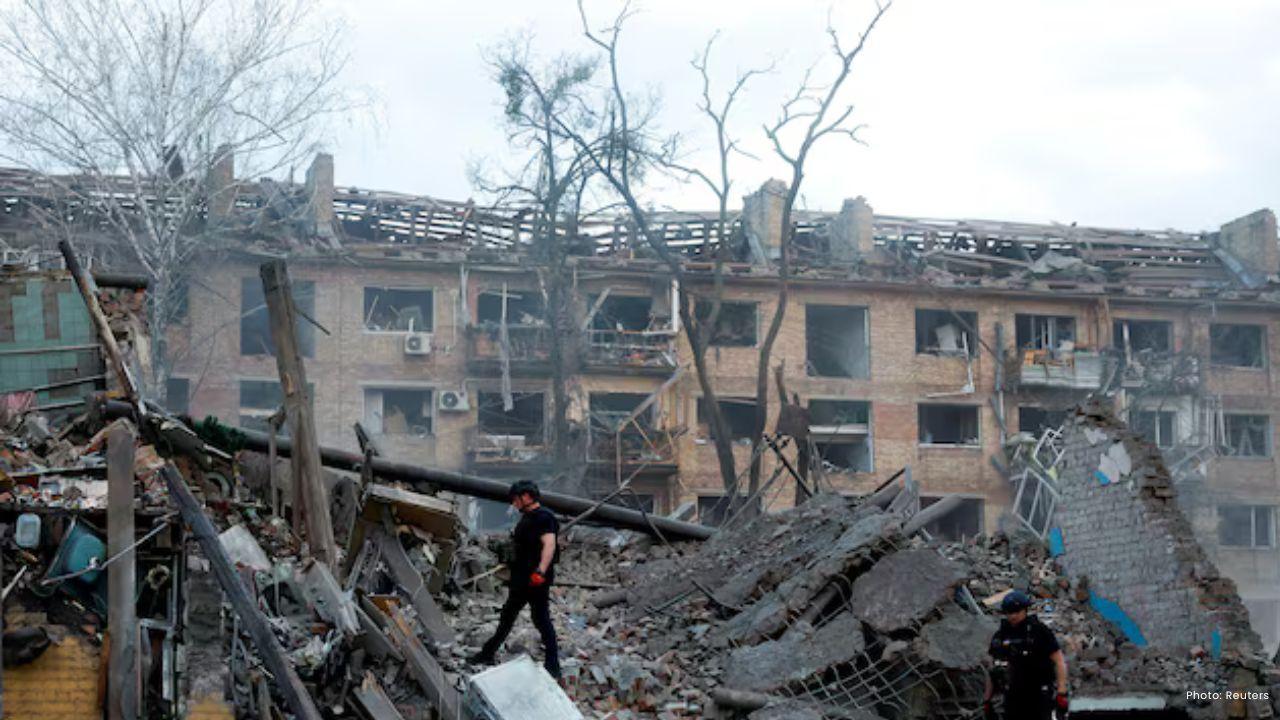
For people living in Ukraine, the fighting has brought hardship, loss, and fear. Many families have fled their homes, seeking safety in other regions or abroad. Cities and towns in eastern Ukraine have faced regular attacks, and reconstruction is slow or impossible in many areas.
In Russia, the war has also affected families and communities. Many young people have been called up for military service. Sanctions and economic challenges have influenced daily life for ordinary citizens.
International leaders have urged both Russia and Ukraine to find a peaceful solution. They have offered mediation and support for negotiations. Some countries have acted as intermediaries to bring representatives from both sides together. These efforts show that finding peace is a priority for many around the world.
The Kremlin’s statement that talks are in Russia’s interest reflects a complex mix of strategy and public messaging. It suggests that Moscow wants to appear open to dialogue while still holding firm to key demands. Whether this approach leads to a real breakthrough remains uncertain.
What is clear is that the conflict continues to affect millions of people. The longer the war lasts, the more difficult it becomes to rebuild trust and cooperation between the two nations. Dialogue, if sincere and broad in scope, could be a step toward easing suffering and finding a path to peace.
As the situation evolves, world attention will remain focused on how talks develop and whether they can lead to meaningful progress. For now, both Russia and Ukraine face difficult choices about how they will navigate this long and painful conflict.






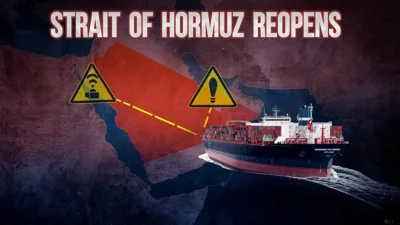
Reopening of the Strait of Hormuz: New Regulations to Impact Global Trade
Iran reopens the strategic Strait of Hormuz with new regulations affecting oil transport and global

Top 10 Must-See Attractions in NYC for First-Time Explorers
Discover essential experiences for first-time visitors to NYC, including attractions, culture, and i

Starbucks Engages Boyu Capital for Major Chinese Expansion
Starbucks teams up with Boyu Capital, selling a majority stake to boost growth and adapt to the Chin

Three Individuals Charged in Massive Meth Trafficking Case in Malaysia
In Malaysia, a married couple and another suspect are charged with trafficking 510kg of meth, facing

Singapore Police Revisit Geylang Murder Scene with Suspect
In Geylang, police return a murder suspect to the scene of a crime involving the fatal stabbing of a