Post by : Anees Nasser
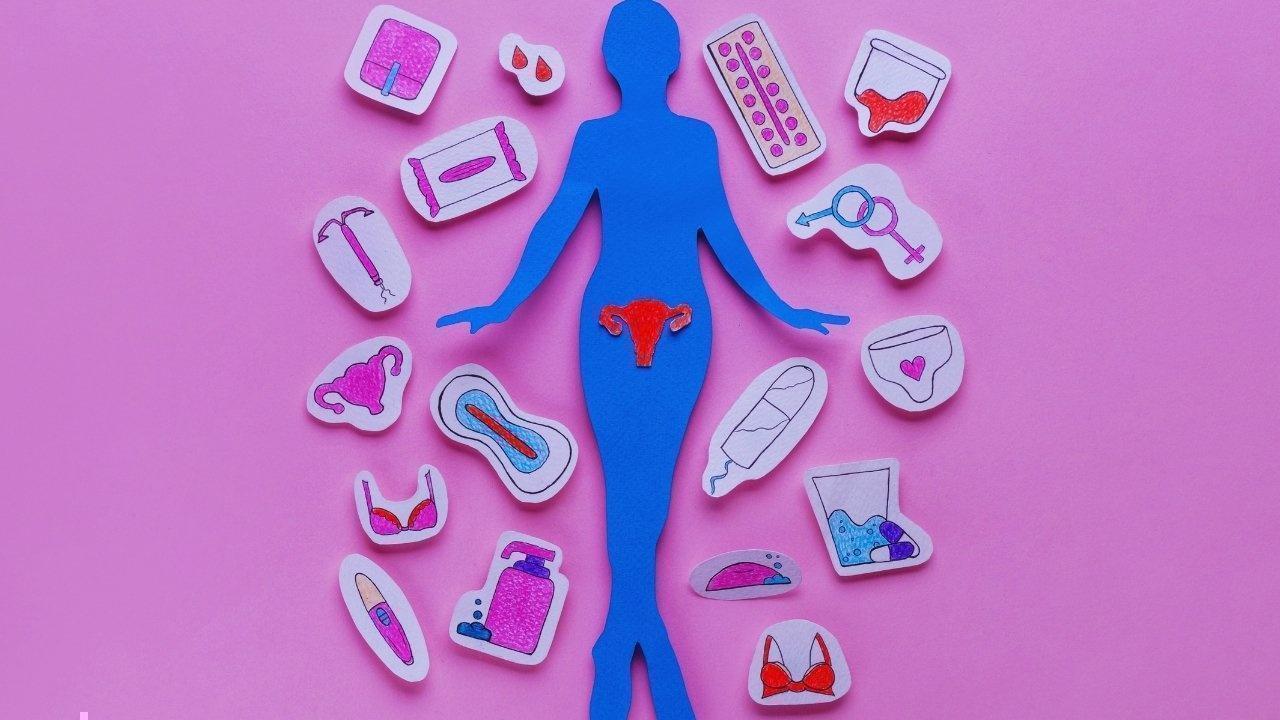
Long neglected in both clinical research and public discussion, menstrual and menopausal health are now receiving renewed attention from policymakers, clinicians and industry. What was once marginalised in medical agendas is increasingly treated as a central component of population health strategies and preventive care.
Recent years have seen the debate move from awareness-raising to concrete innovation: better diagnostics, digital monitoring and evidence-based therapies are enabling more precise management of hormonal life stages. This transition combines technological progress with shifts in public policy and workplace norms.
The expansion of FemTech is a prominent driver of change. Companies in this space are producing devices and platforms specifically designed to track reproductive indicators, measure hormonal markers and personalise care plans. These solutions range from sensor-enabled products to data platforms that aggregate cycle and symptom data for clinical insight.
Where early apps offered basic calendar functions, contemporary tools apply machine learning to forecast physiological patterns and potential fertility windows, and to flag irregularities warranting medical review. The outcome is a rapidly developing ecosystem that prioritises evidence-led self-monitoring and clinical integration.
Menopause is increasingly framed as a distinct, treatable phase rather than a problem to be endured. Clinical practice is shifting toward a spectrum of management options, including tailored hormone replacement approaches and non-hormonal interventions supported by longitudinal symptom tracking.
Policy and employer responses are changing in parallel: some organisations have adopted guidelines and benefits recognising menopause-related needs, while public campaigns and professional advocacy are helping to normalise clinical conversations about mid-life health.
Hormonal regulation underpins reproductive and metabolic health, and assessment of endocrine markers is becoming central to care pathways. Non-invasive testing and targeted assays allow clinicians to monitor estrogen, progesterone and stress-related hormones with greater frequency and specificity.
Personalised regimens, including bioidentical or customised pharmaceutical options informed by laboratory results, are replacing uniform treatment models, reducing side effects and improving symptom control for conditions such as fatigue, cognitive difficulties and weight fluctuation.
Practitioners increasingly recommend diet and exercise plans calibrated to hormonal phases. Approaches like cycle-informed nutrition and periodised training are used to optimise energy, recovery and micronutrient intake across the menstrual cycle.
For menopause, dietary strategies that support bone and cardiovascular health—such as diets incorporating phytoestrogens and calcium-rich foods—are emphasized alongside stress-reduction practices that mitigate hormonal and psychological symptoms.
Cultural stigma around menstruation and menopause persists in many regions, but sustained education and advocacy efforts are changing norms. School curricula, public health initiatives and product access programs are expanding menstrual literacy and physical dignity for vulnerable populations.
Workplace education and policy reforms are also reducing barriers, encouraging employers to treat these life stages as legitimate occupational health considerations rather than private matters.
Clinical models are beginning to integrate mental health with reproductive care, recognising the psychological effects of cyclical and menopausal hormone changes. Dedicated counselling, cognitive-behavioural approaches and mindfulness programs are being implemented as adjuncts to medical treatment.
This integrated model acknowledges that improving outcomes requires attention to both physiological and emotional domains of health.
Employers and insurers are updating benefits to include reproductive-age and mid-life health services, such as telemedicine consultations, therapy coverage and, in some jurisdictions, menstrual or flexible leave policies. These measures reflect a broader move toward parity in health benefits.
Public policy in several countries has begun to address access to reproductive health services, signalling an institutional recognition of these needs.
Data science and artificial intelligence are being applied to anticipate menstrual irregularities, detect early signs of endocrine disorders and personalise care recommendations. Wearables and remote monitoring technologies can provide continuous physiological data to inform clinical decision-making.
Such innovations have the potential to shorten diagnostic delays for conditions that are often missed or misattributed, improving long-term outcomes through earlier intervention.
Expanded educational initiatives—across schools, workplaces and digital channels—are central to improving reproductive literacy. Accurate, accessible information empowers individuals to seek timely care and reduces misconceptions that have historically impeded diagnosis and treatment.
When knowledge is paired with affordable services, reproductive health becomes a component of routine primary care rather than a niche specialty.
The narrative around menstrual and menopausal health is shifting from silence to structured care. Movements calling for menstrual equity and increased attention to mid-life health are reframing these phases as predictable, manageable parts of a life-course approach to health.
Stakeholders across industry, medicine and government are positioning women's hormonal health as a priority area for investment and research.
Future directions point toward a convergence of genomics, personalised medicine and digital therapeutics to address hormonal disorders with greater precision. Market analysts forecast notable growth in female-focused health services as clinical evidence and public demand expand.
Overall, the trend is clear: reproductive and menopausal care are being integrated into mainstream health systems, supported by technology, policy and a more informed public.
This article is provided for informational purposes and does not substitute for professional medical advice. Individuals experiencing menstrual or menopausal symptoms should consult qualified healthcare professionals for diagnosis and personalised treatment recommendations.








Top 10 Must-See Attractions in NYC for First-Time Explorers
Discover essential experiences for first-time visitors to NYC, including attractions, culture, and i

Starbucks Engages Boyu Capital for Major Chinese Expansion
Starbucks teams up with Boyu Capital, selling a majority stake to boost growth and adapt to the Chin

Three Individuals Charged in Massive Meth Trafficking Case in Malaysia
In Malaysia, a married couple and another suspect are charged with trafficking 510kg of meth, facing

Singapore Police Revisit Geylang Murder Scene with Suspect
In Geylang, police return a murder suspect to the scene of a crime involving the fatal stabbing of a

Mattel Revives Masters of the Universe Action Figures Ahead of Film Launch
Mattel is reintroducing Masters of the Universe figures in line with its upcoming film, tapping into