Post by : Saif Nasser
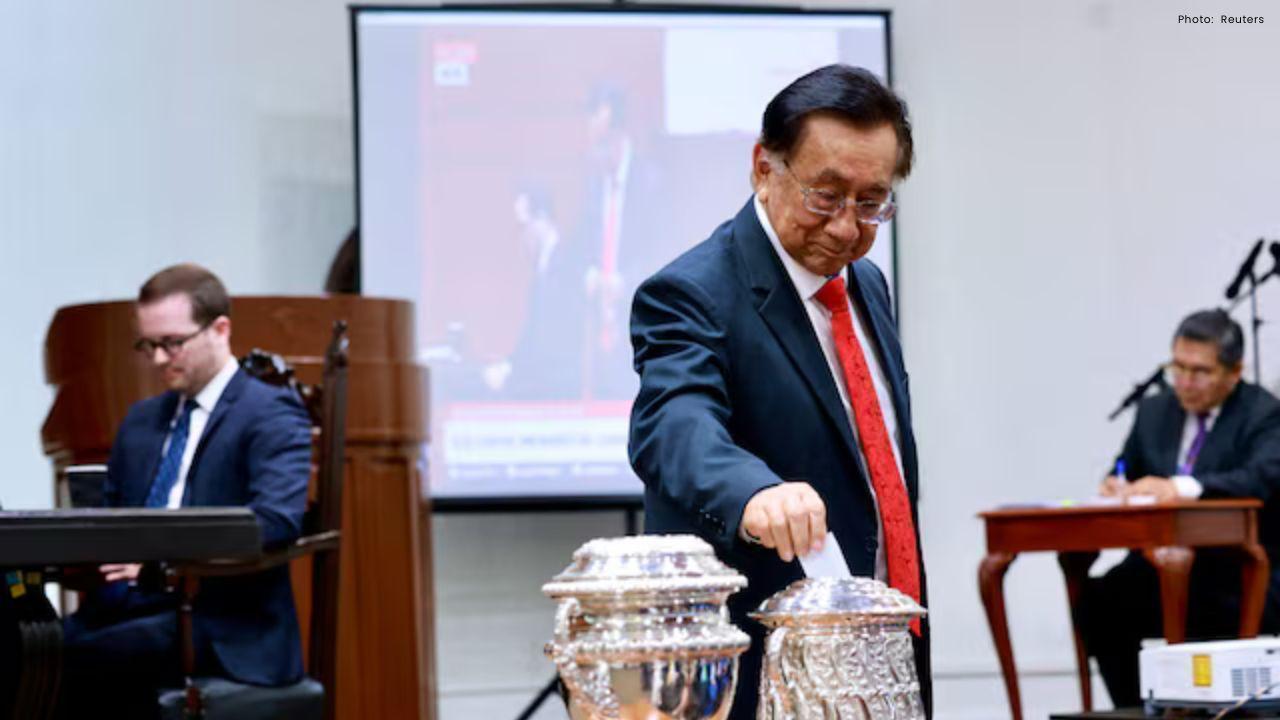
Peru’s Congress has elected Jose Balcazar as the country’s interim president following the removal of President Jose Jeri in a dramatic political shake-up. The decision makes Balcazar the eighth president Peru has had in the past eight years, showing how unstable the country’s politics have become.
Lawmakers voted to remove Jeri after just four months in office. He was accused of holding undisclosed meetings with a Chinese businessman, which raised concerns about transparency and possible misconduct. The scandal quickly grew, leading Congress to take action and vote him out of office.
After Jeri’s removal, Congress held a long session to elect a new leader. Four candidates were considered, but none secured a simple majority in the early rounds of voting. After several hours of debate and voting, Balcazar was chosen over Maria del Carmen Alva. He was then sworn in as both interim president and head of Congress.
Balcazar’s term will be short. Peruvians are scheduled to vote in general elections on April 12. If no candidate wins a clear majority, a run-off election is expected in June. The newly elected president will officially take office on July 28, which marks the end of the current presidential term. Until then, Balcazar will guide the country through this transitional period.
The political crisis did not begin with Jeri. Since 2018, Peru has seen a rapid change of presidents. Several leaders have been removed from office due to scandals, impeachment votes, or clashes with Congress. This pattern has exposed deep divisions between the executive branch and lawmakers. The country’s fragmented political parties have struggled to form stable governing coalitions.
Jeri became the third Peruvian president in a row to be ousted from office. His short time in power was marked by controversy, including the undisclosed meetings that ultimately led to his downfall. His removal has added to concerns about the stability of Peru’s political system.
Despite political turmoil, Peru’s economy has shown strength. The country is the world’s third-largest producer of copper, and mining plays a key role in its economy. Over the past year, Peru recorded steady economic growth and relatively low inflation compared to other countries in the region. Investors, however, remain cautious as leadership changes continue.
Balcazar now faces an important task. His main responsibilities will include maintaining public order, keeping financial markets stable, and ensuring that the upcoming elections are free and fair. His leadership during this short but critical period will be closely watched both at home and abroad.
Political analysts say the coming months will be crucial for Peru. Another leadership change before July would deepen public frustration and weaken confidence in the country’s democratic system. Many citizens hope that the April election will bring stability and restore trust in government institutions.
For now, Peru stands at a turning point. The appointment of Jose Balcazar offers a temporary solution to the latest political crisis, but the long-term future of the country’s leadership depends on the outcome of the upcoming elections.





Reopening of the Strait of Hormuz: New Regulations to Impact Global Trade
Iran reopens the strategic Strait of Hormuz with new regulations affecting oil transport and global

Top 10 Must-See Attractions in NYC for First-Time Explorers
Discover essential experiences for first-time visitors to NYC, including attractions, culture, and i

Starbucks Engages Boyu Capital for Major Chinese Expansion
Starbucks teams up with Boyu Capital, selling a majority stake to boost growth and adapt to the Chin
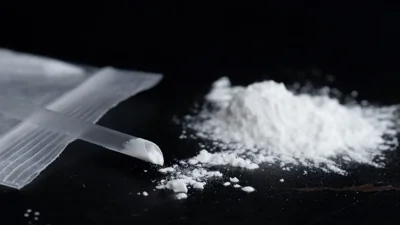
Three Individuals Charged in Massive Meth Trafficking Case in Malaysia
In Malaysia, a married couple and another suspect are charged with trafficking 510kg of meth, facing
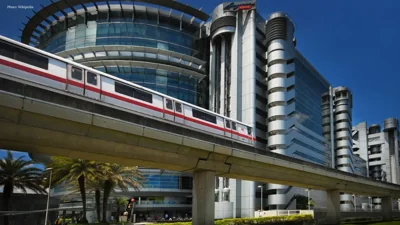
Singapore Police Revisit Geylang Murder Scene with Suspect
In Geylang, police return a murder suspect to the scene of a crime involving the fatal stabbing of a