Post by : Saif Nasser
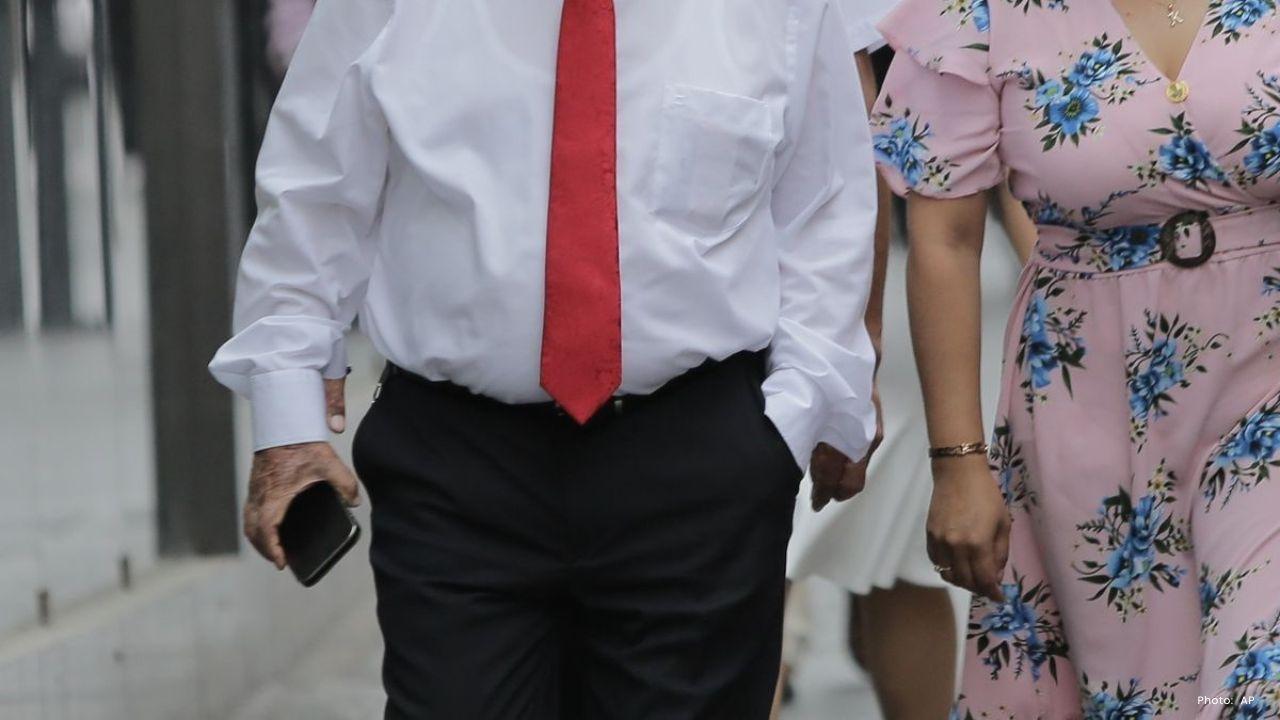
Peru’s Congress has elected José María Balcázar as the country’s new president, marking the eighth change in leadership in just ten years. The decision came one day after lawmakers removed interim President José Jerí from office over corruption allegations.
Balcázar, who is 83 years old, is a former judge and a member of the leftist Perú Libre party. He won the vote in Congress by securing support from a majority of the 130 lawmakers. He defeated three other candidates in the election held inside the legislature.
The frequent changes in leadership show that Peru is facing a deep political crisis. Over the past decade, the country has seen presidents removed, resign, or face legal problems. Many experts say this instability is caused by a divided Congress and weak political alliances.
Lawmakers in Peru have often used a constitutional rule known as “permanent moral incapacity” to remove presidents from office. Critics argue that this rule has been applied too broadly, allowing Congress to remove leaders even when the legal grounds are debated.
José Jerí, the outgoing interim president, had been in office for only four months. He took over in October 2025 after serving as president of Congress. He was next in line to lead the country after former President Dina Boluarte left office.
Jerí was removed following reports about undisclosed meetings with Chinese business owners, including a contractor linked to the state. He denied any wrongdoing and said he was simply helping to organize a cultural festival between Peru and China. However, Peru’s Public Prosecutor’s Office has opened two preliminary investigations into possible illegal activities.
The current Congress, which began its term in 2021, has now removed three presidents: Pedro Castillo, Dina Boluarte, and José Jerí. This pattern of removals has raised concerns about political stability and public trust in government institutions.
Balcázar’s term will be short. He is expected to serve for about five months before handing power to the winner of the general elections scheduled for April 12. During those elections, Peruvians will choose both a new president and a new legislature. If no candidate wins more than 50% of the vote, a second round will take place in June between the top two candidates.
The new president faces serious challenges. Peru is currently dealing with rising crime, including murders and extortion. Small business owners and working-class families have been especially affected by these problems.
Many citizens are frustrated by the ongoing political instability. They hope the upcoming elections will bring stronger leadership and more stability. For now, Balcázar must focus on guiding the country through this transitional period and preparing for a smooth transfer of power.
Peru’s recent history shows how fragile political systems can become when trust breaks down. The next few months will be important for restoring confidence and ensuring that democracy continues to function properly in the country.




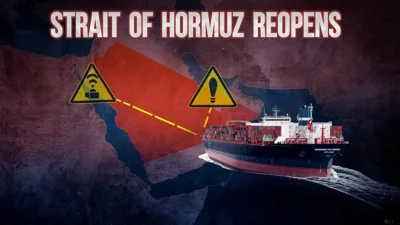
Reopening of the Strait of Hormuz: New Regulations to Impact Global Trade
Iran reopens the strategic Strait of Hormuz with new regulations affecting oil transport and global

Top 10 Must-See Attractions in NYC for First-Time Explorers
Discover essential experiences for first-time visitors to NYC, including attractions, culture, and i

Starbucks Engages Boyu Capital for Major Chinese Expansion
Starbucks teams up with Boyu Capital, selling a majority stake to boost growth and adapt to the Chin
Three Individuals Charged in Massive Meth Trafficking Case in Malaysia
In Malaysia, a married couple and another suspect are charged with trafficking 510kg of meth, facing
Singapore Police Revisit Geylang Murder Scene with Suspect
In Geylang, police return a murder suspect to the scene of a crime involving the fatal stabbing of a