Post by : Saif Nasser
Tensions between Iran and the United States are rising once again. While both countries are trying to keep nuclear discussions alive, their military actions at sea are sending a strong and serious message. The balance between diplomacy and force appears fragile.
Iran held joint naval drills with Russia in the Gulf of Oman and the Indian Ocean. According to Iranian state media, the purpose of the exercise was to improve cooperation and share military experience. In earlier years, China had also taken part in similar drills, but there was no clear sign of its participation this time.
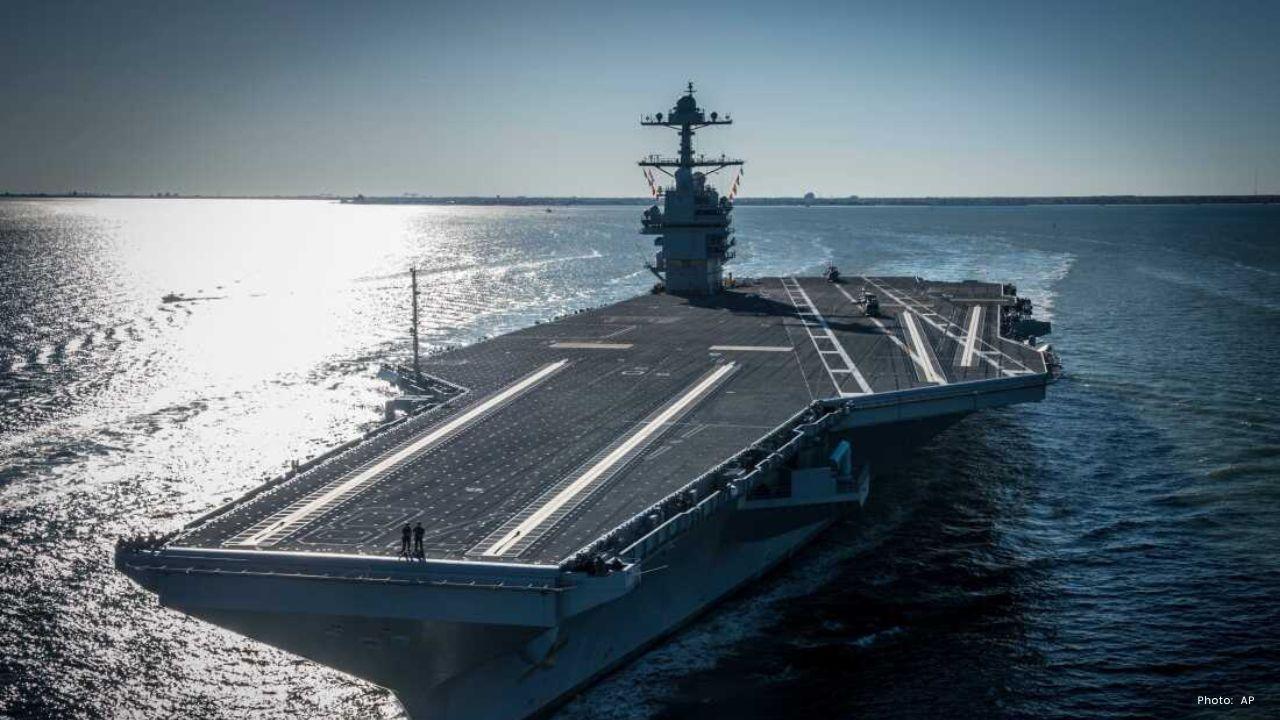
At the same time, the United States moved the aircraft carrier USS Gerald R. Ford closer to the Middle East. The carrier was seen near Morocco and could soon pass through the Strait of Gibraltar into the Mediterranean Sea. The presence of such a powerful warship increases American military strength in the region and gives Washington more options if the situation worsens.
Iran has also carried out live-fire exercises in the Strait of Hormuz. This narrow waterway is extremely important because nearly one-fifth of the world’s oil supply moves through it. Any military activity there can quickly raise fears in global markets and affect oil prices. Iran also issued warnings to pilots in the area, suggesting that missile tests were part of the drill.
These military moves do not guarantee that a conflict will happen. However, they clearly show preparation and pressure. Experts often describe this approach as “gunboat diplomacy,” where countries display military strength to influence negotiations without starting a war.
The political atmosphere remains tense. American leaders have criticized Iran over human rights concerns, including the deaths of protesters and reports of mass executions. At the same time, efforts to restart nuclear talks continue, though progress appears slow and uncertain.
Inside Iran, public anger remains strong. Protests began in late December after the national currency, the rial, lost much of its value. Demonstrations started in Tehran’s Grand Bazaar and quickly spread across the country. Security forces responded firmly, leading to many deaths.
The Iranian government says more than 3,000 people were killed during the unrest. However, a human rights group based in the United States claims that the number could be over 7,000. Families have been holding memorial gatherings 40 days after the deaths of their loved ones. Some of these events have included chants against the government, showing that tension within the country continues.
The situation now stands at a delicate point. Military drills and aircraft carriers increase pressure, but they also make trust harder to build. A direct conflict between Iran and the United States would have serious consequences for the Middle East and for the global economy.
Oil supplies, regional stability, and the safety of millions of people could all be affected. That is why diplomacy remains important. Strong military signals may show power, but peaceful talks offer the only long-term solution.
The coming weeks will be critical. The world will be watching closely to see whether negotiations move forward or whether rising tensions push both sides toward greater risk.








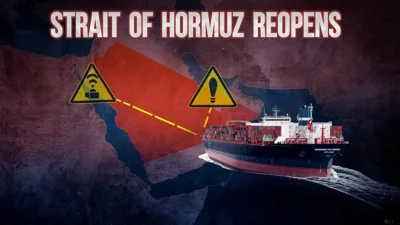
Reopening of the Strait of Hormuz: New Regulations to Impact Global Trade
Iran reopens the strategic Strait of Hormuz with new regulations affecting oil transport and global

Top 10 Must-See Attractions in NYC for First-Time Explorers
Discover essential experiences for first-time visitors to NYC, including attractions, culture, and i

Starbucks Engages Boyu Capital for Major Chinese Expansion
Starbucks teams up with Boyu Capital, selling a majority stake to boost growth and adapt to the Chin

Three Individuals Charged in Massive Meth Trafficking Case in Malaysia
In Malaysia, a married couple and another suspect are charged with trafficking 510kg of meth, facing

Singapore Police Revisit Geylang Murder Scene with Suspect
In Geylang, police return a murder suspect to the scene of a crime involving the fatal stabbing of a