Post by : Saif Nasser
Oil prices continued to rise on Thursday as tensions between the United States and Iran increased concerns about possible supply disruptions. Traders are closely watching the situation, especially as military activity grows in the Middle East.
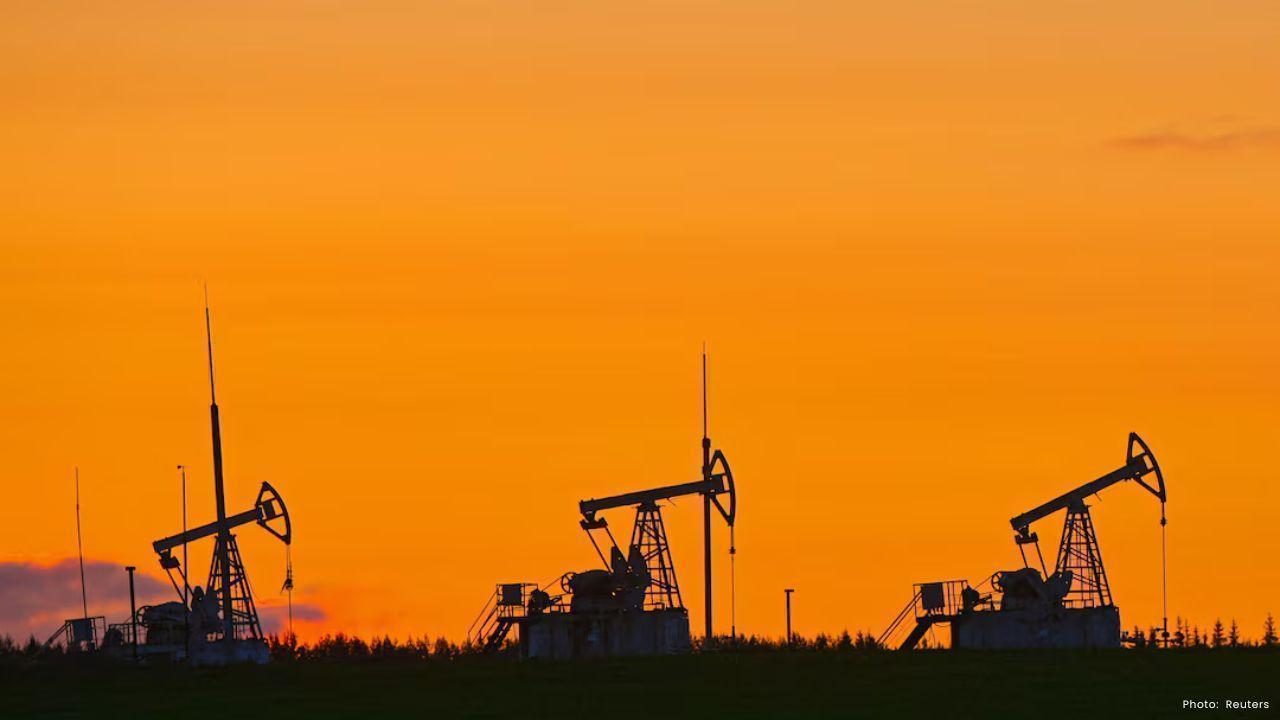
Global benchmark Brent crude rose 0.3% to $70.58 per barrel, while U.S. West Texas Intermediate (WTI) crude gained 0.4% to $65.44 per barrel. Both oil prices had already jumped more than 4% the day before, reaching their highest levels since late January.
The main reason behind the price rise is fear of conflict. The United States and Iran are holding talks about Iran’s nuclear program, but at the same time both sides have increased military activity in the region. Markets often react quickly when there is a risk to oil supply.
The biggest concern is the Strait of Hormuz. About 20% of the world’s oil supply passes through this narrow waterway. Any disruption there could affect global energy prices. Iranian state media reported that the strait was shut for a few hours earlier this week, though it was not clear if it fully reopened.
Analysts at ING said oil prices are rising because traders fear possible U.S. action against Iran. If a conflict happens, it could reduce Iranian oil exports and disrupt shipments from other Gulf countries.
However, some experts believe a full-scale war is unlikely. They say that even if military action occurs, it may be limited and short-term. U.S. Vice President JD Vance said Washington is still deciding whether to continue diplomacy or consider other options.
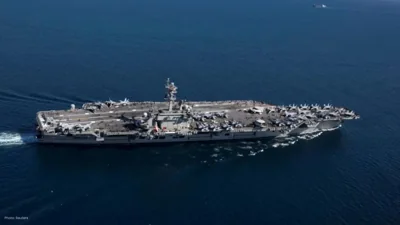
There were also reports that Iran plans rocket launches in its southern region, according to notices shared on aviation websites. At the same time, the United States has deployed warships near Iran. These actions increase tension, even as diplomatic talks continue in Geneva.
Oil markets are also reacting to supply data from the United States. According to market sources, U.S. crude, gasoline, and distillate stocks fell last week. This was unexpected because analysts had predicted an increase in crude inventories. Lower stock levels often support higher prices.
Energy markets are sensitive to both political and economic news. When supply seems uncertain, prices usually move higher. This affects not only oil companies but also consumers. Higher oil prices can lead to higher fuel costs and increased prices for goods and transportation.
At the same time, peace talks between Ukraine and Russia ended without major progress. Ongoing global conflicts add more uncertainty to energy markets.
For now, traders are taking a cautious approach. They are watching political developments closely. If tensions between Washington and Tehran ease, oil prices may stabilize. But if military action increases, markets could see further price spikes.
The situation shows how closely energy markets are linked to global politics. Even small changes in the Middle East can have wide effects on the world economy. As talks continue, the future of oil prices will depend on whether diplomacy succeeds or tensions grow further.








Starbucks Engages Boyu Capital for Major Chinese Expansion
Starbucks teams up with Boyu Capital, selling a majority stake to boost growth and adapt to the Chin

Three Individuals Charged in Massive Meth Trafficking Case in Malaysia
In Malaysia, a married couple and another suspect are charged with trafficking 510kg of meth, facing

Singapore Police Revisit Geylang Murder Scene with Suspect
In Geylang, police return a murder suspect to the scene of a crime involving the fatal stabbing of a

Mattel Revives Masters of the Universe Action Figures Ahead of Film Launch
Mattel is reintroducing Masters of the Universe figures in line with its upcoming film, tapping into

China Executes 11 Members of Criminal Clan Linked to Myanmar Scam
China has executed 11 criminals associated with the Ming family, known for major scams and human tra