Post by : Bianca Suleiman
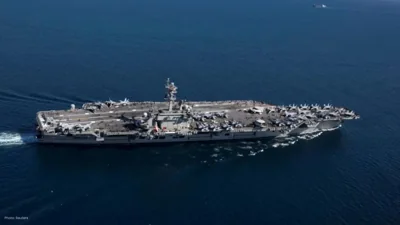
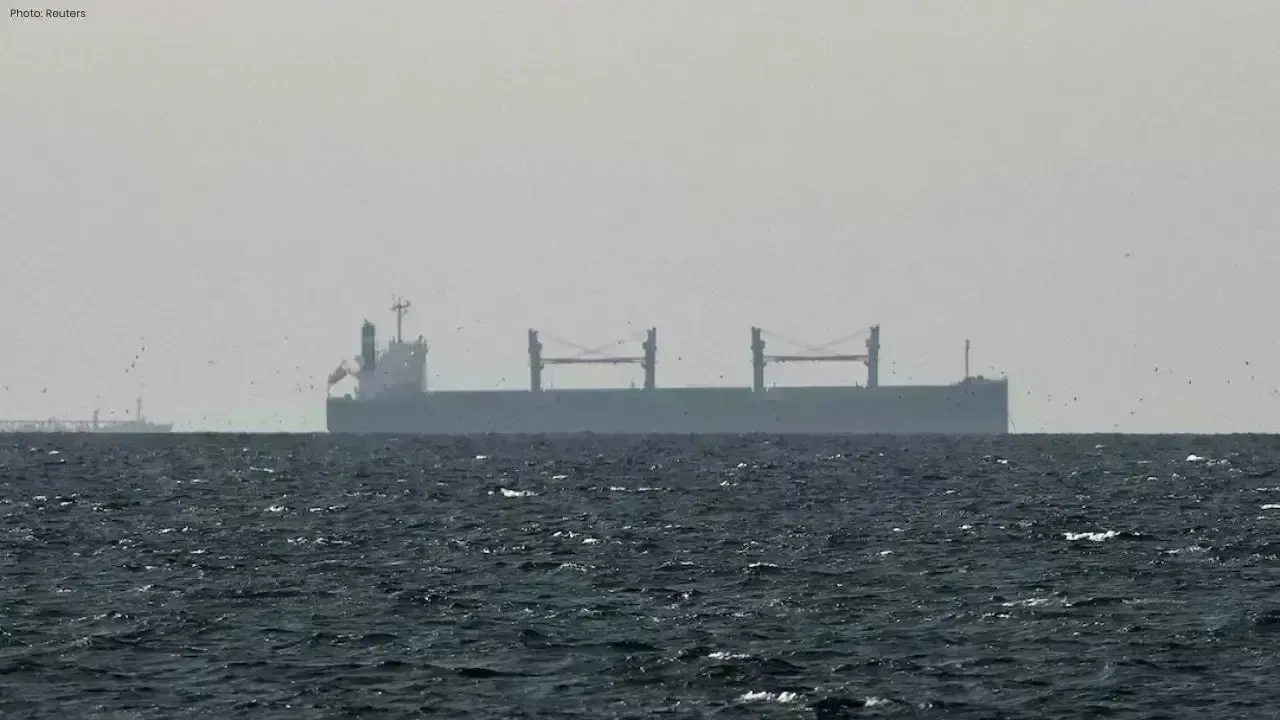
In a pivotal virtual meeting on Thursday, more than 40 nations united under U.S. leadership to tackle the escalating situation in the Strait of Hormuz, a crucial artery for global energy flow facing disruption due to increasing tensions with Iran.
Spearheaded by the United Kingdom, this gathering included diverse participants from Europe, the Middle East, Asia, along with representatives from Australia and Canada. The key objective was to discuss potential diplomatic outreach to Tehran and evaluate coordinated sanctions should Iran persist in obstructing this strategic passage.
The discourse brought to light significant international anxiety regarding the conflict's ramifications, particularly under the looming uncertainty of U.S. President Donald Trump’s forthcoming actions. Nations involved voiced concerns about the possibility of the U.S. stepping back without a definitive strategy to ensure safe navigation through the strait.
Representatives noted that any prospective ceasefire discussions with Iran should incorporate a definitive plan for reopening the Hormuz route, vital for global oil transport. However, the dialogue also signaled that allied nations may need to take unilateral measures if American involvement dwindles.
This meeting occurred against the backdrop of heightened friction between the U.S. and its NATO allies, particularly following remarks from Trump regarding their hesitance to commit military resources in the area. It indicated a readiness among European countries, such as the UK and France, to be part of the stabilization efforts.
Japan emerged as a crucial player in the talks; its Foreign Minister, Toshimitsu Motegi, advocated for global collaboration to secure maritime routes for vessels currently stranded in the Persian Gulf. He further underscored the need to ensure a reliable global energy supply.
Moving forward, military strategists from the participating nations are expected to convene next week to assess deployment options for naval forces, including potential de-mining operations post-conflict. Nonetheless, there appears to be limited consensus on resorting to force for reopening the strait since most participants deem that a lasting resolution necessitates Iran's cooperation.
The discussions also emphasized the critical role of the United Nations in fostering diplomatic initiatives. Countries contemplated collaborating with Gulf partners to uphold navigation rights and avert any toll imposition by Iran, a scenario that could set a troubling precedent globally.
The group also looked at economic strategies, including targeted sanctions, as means to hinder Iran from gaining advantages from the ongoing interruptions in one of the world’s essential shipping lanes.







Starbucks Engages Boyu Capital for Major Chinese Expansion
Starbucks teams up with Boyu Capital, selling a majority stake to boost growth and adapt to the Chin

Three Individuals Charged in Massive Meth Trafficking Case in Malaysia
In Malaysia, a married couple and another suspect are charged with trafficking 510kg of meth, facing

Singapore Police Revisit Geylang Murder Scene with Suspect
In Geylang, police return a murder suspect to the scene of a crime involving the fatal stabbing of a

Mattel Revives Masters of the Universe Action Figures Ahead of Film Launch
Mattel is reintroducing Masters of the Universe figures in line with its upcoming film, tapping into

China Executes 11 Members of Criminal Clan Linked to Myanmar Scam
China has executed 11 criminals associated with the Ming family, known for major scams and human tra