Post by : Saif Nasser
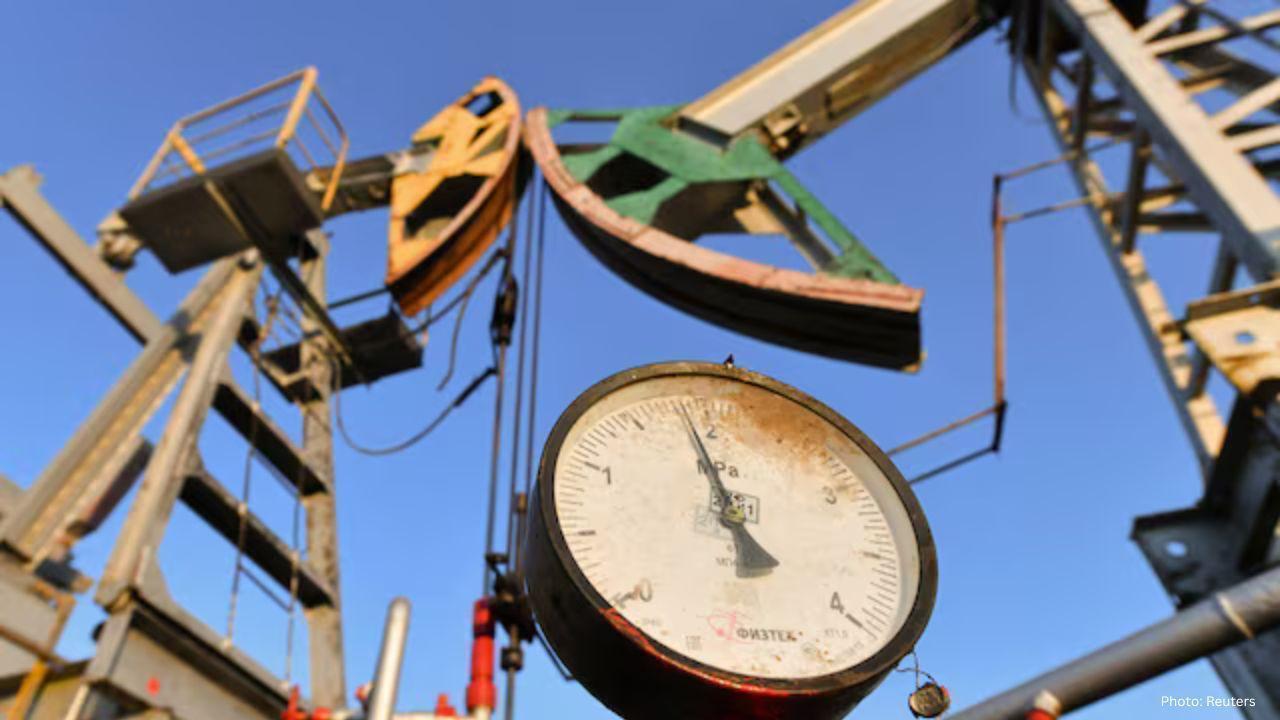
Global oil prices remained mostly steady on Friday as investors carefully balanced growing geopolitical tensions against strong supply levels and slow holiday trading. With many markets operating on reduced activity after Christmas, traders chose caution, keeping prices within a narrow range while watching events that could affect future oil supply.
Brent crude, the international benchmark, traded slightly higher at just over $62 per barrel, while U.S. West Texas Intermediate hovered near $58. These small movements reflected uncertainty rather than confidence. Market participants were closely watching political developments in several regions, even as they remained aware that oil is heading toward its largest yearly price drop since 2020.
One factor drawing attention was recent U.S. airstrikes against Islamic State militants in northwest Nigeria. While Nigeria is a major oil producer, analysts noted that the attacks did not target oil fields, pipelines, or export terminals. Most of the country’s oil infrastructure lies far to the south, away from the conflict zone. As a result, the strikes did not create immediate disruption fears, and traders largely stayed on the sidelines.
Another area of concern is Venezuela. The United States has increased economic pressure on Venezuelan oil by focusing on tighter restrictions rather than military action. This approach signals Washington’s intention to limit Venezuela’s oil reach in global markets, which could affect supply flows in the coming months. However, with global oil output already high, the immediate price impact remains limited.
A major reason prices are struggling to rise is supply. Oil production from OPEC+ members and other non-OPEC countries has increased steadily. This has raised fears of an oversupplied market going into next year. When supply grows faster than demand, prices usually come under pressure, and investors are clearly aware of this risk.
Attention is also turning toward Eastern Europe. Any progress toward peace between Russia and Ukraine could have a major effect on oil markets. If sanctions on Russian oil were eased as part of a peace deal, more oil could return to global markets, adding further supply. Recent comments from leaders on both sides suggest talks may continue, though no clear outcome has been confirmed.
Overall, oil markets are moving cautiously. Thin trading due to year-end holidays, high production levels, and uncertain political developments have created a waiting game. Prices are steady for now, but the direction in early 2026 will depend heavily on geopolitics, demand recovery, and how major producers manage supply.








Potential ‘Super El Niño’ in 2026: Understanding the Climate Risks
Could a Super El Niño emerge in 2026? Discover its implications and potential global climate impacts

Global Energy Crisis Intensifies: Markets React to Oil Supply Challenges
Markets are on edge as oil disruptions escalate, influencing prices and economic stability. Explore

Must-See Tourist Spots in London You Can't Overlook
Explore London's essential attractions, from royal landmarks to vibrant markets, ensuring an unforge

Ultimate Guide to Snagging Cheap Flights in 2026
Unlock the secrets to booking affordable flights in 2026 with insightful tips and strategies tailore

The Impact of Consistent Small Investments on Wealth Building
Discover how investing small amounts regularly can positively transform your financial future over t

7.5 Magnitude Earthquake Strikes Japan, Tsunami Alerts Issued
Japan experiences a hefty 7.5 quake, prompting tsunami alerts and safety measures. Stay updated on a