Post by : Priya
Photo:AFP
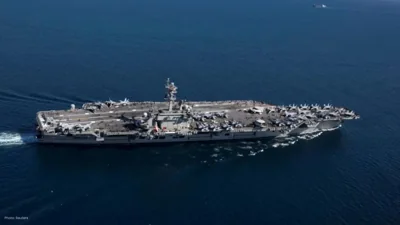
North Korea’s warning of “resolute counteraction” against the upcoming joint U.S.-South Korea military drills underscores ongoing and deeply rooted tensions on the Korean Peninsula despite diplomatic efforts to ease hostility. The annual Ulchi Freedom Shield (UFS) exercises, scheduled from August 18 to 28, 2025, are complex, large-scale military drills designed to enhance the combined defense readiness of U.S. and South Korean forces amid evolving security challenges posed by North Korea’s nuclear and missile programs. This editorial explores the full scope of the exercises, the geopolitical context, North Korea’s response, and the implications for regional and global security.
Understanding Ulchi Freedom Shield 2025
Ulchi Freedom Shield is an 11-day joint military exercise conducted every year by the Republic of Korea (ROK) and the United States, reflecting a combined, joint, multi-domain and interagency operating environment focused on defending South Korea against threats from the North. For 2025, the exercise involves about 18,000 South Korean troops and a similar number of U.S. military personnel, including forces from the Eighth Army, the U.S. Marine Corps, and other major commands.
The drills include a blend of command post exercises, computer simulations, and combined field training events such as urban combat operations, field artillery exercises, air assault operations, field hospital treatments, casualty evacuations, and air defense artillery deployment. The integrated training ensures coordination across ground, air, naval, space, and cyber domains, allowing forces to operate seamlessly as a joint combat entity.
Notably, in 2025, the exercises have been partially adjusted for extreme summer heat and flood-related damages—20 out of 40 planned field training events have been rescheduled to September. This rearrangement aims to balance safe training conditions with maintaining consistent year-round readiness while also responding to diplomatic signals to reduce tensions.
Significance of the Drills
Ulchi Freedom Shield drills not only enhance military preparedness but also reaffirm the U.S.-South Korea alliance’s commitment rooted in the 1953 Mutual Defense Treaty and the Korean Armistice Agreement. These exercises serve as a critical deterrent against the escalating nuclear and ballistic missile threats from North Korea, which has advanced its weapons programs demonstrably over recent years.
The training incorporates lessons from ongoing global conflicts, such as the war in Ukraine and conflicts in the Middle East, emphasizing modern warfare aspects including drone usage, cyber warfare, GPS jamming, and rapid missile threat countermeasures. This reflects the alliance’s focus on evolving strategic threats and technologies rather than solely traditional military maneuvers.
North Korea’s Response and Escalation Risks
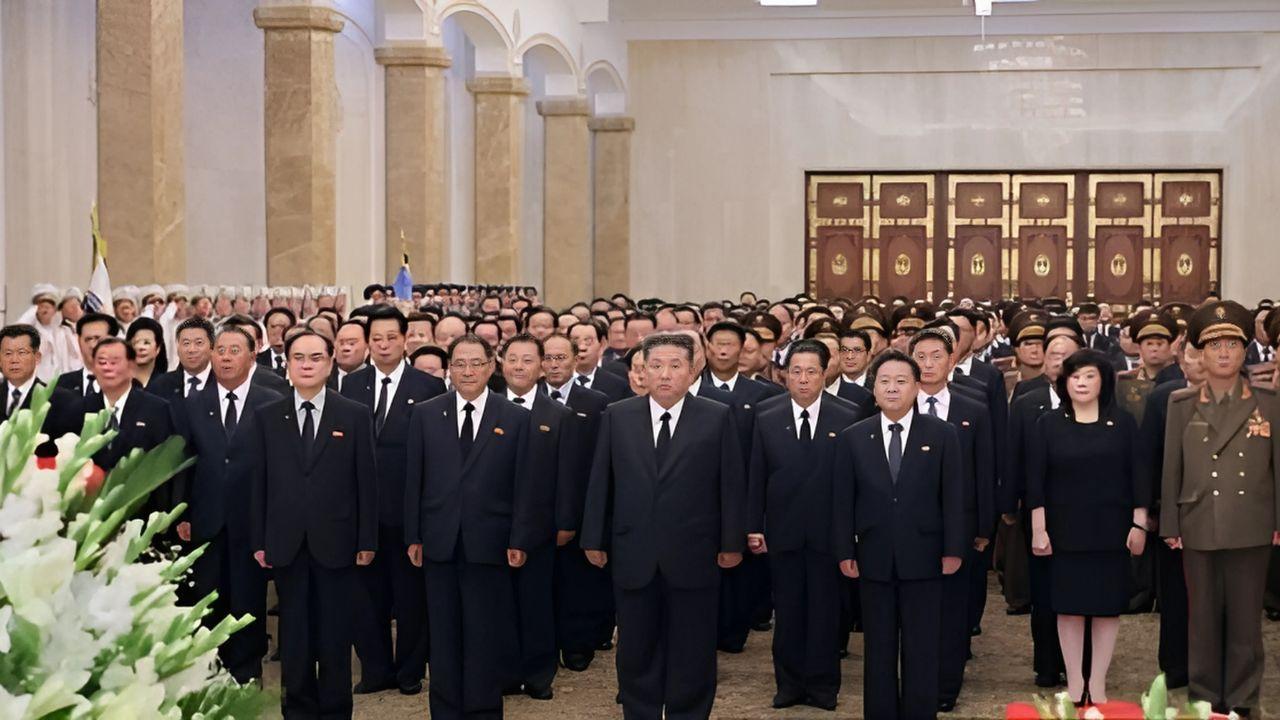
North Korea has issued stark warnings against the drills, labeling them as “direct military provocations” and rehearsals for invasion. Defense Minister No Kwang Chol declared a “resolute counteraction posture” and reiterated Pyongyang’s right to self-defense should the exercises be deemed a threat. Kim Yo Jong, sister of North Korean leader Kim Jong Un, dismissed South Korean attempts at diplomatic outreach, criticizing the ongoing military alliance with the U.S. and emphasizing that minor adjustments in the drills are insufficient from Pyongyang’s perspective.
Historically, these drills have triggered North Korean retaliatory actions such as missile tests and military provocations, complicating efforts at dialogue. Pyongyang’s increasing military cooperation with Russia, including troop and equipment support for Moscow’s war in Ukraine, further complicates regional geopolitics and the potential for conflict escalation.
Diplomatic Context and Regional Security Environment
The new South Korean administration under President Lee Jae Myung has sought to ease tensions by postponing parts of the drills and dismantling loudspeakers used for anti-North propaganda broadcasts along the border. However, North Korea continues to reject these conciliatory gestures, demanding a complete halt to joint U.S.-South Korea military exercises rather than minor rescheduling.
Moreover, the region faces broader strategic competition, with China and Russia conducting their own joint military exercises aimed at signaling counterbalance to U.S. influence, especially in the Indo-Pacific region. These multipolar dynamics raise the stakes for how military exercises and signaling are conducted on the Korean Peninsula and beyond.
Military Readiness and Joint Forces Integration
Training events during UFS 2025 include joint command and control exercises that enable the U.S. and South Korean forces to operate under a unified command, integrating ground troops, air and naval assets, cyber capabilities, and logistical support. The involvement of specialized units such as the U.S. Marine Corps and South Korean Marine Corps further enhances rapid response capabilities to emerging threats.
Drills also emphasize casualty treatment and evacuation, urban warfare, air assault tactics, and defensive countermeasures against missile and drone attacks, reflecting a comprehensive approach to modern combat scenarios. This multi-domain operational environment ensures alliance forces remain proficient amid increasingly complex and fast-evolving security challenges.
Implications and Outlook
Ulchi Freedom Shield 2025 is more than a routine military exercise; it is a strategic message reinforcing deterrence and alliance cohesion amid persistent hostility and military threats from North Korea. While partial adjustments aim to reduce tensions, Pyongyang’s uncompromising stance and provocative history indicate continued risks of military escalation.
The conduct of these exercises amid broader regional power rivalries—including China and Russia’s military signaling—illustrates the delicate balance of deterrence, diplomacy, and power projection in Northeast Asia. The drills underscore that the security environment remains fragile and that the U.S.-South Korea alliance is pivotal to regional peace and stability.








Starbucks Engages Boyu Capital for Major Chinese Expansion
Starbucks teams up with Boyu Capital, selling a majority stake to boost growth and adapt to the Chin

Three Individuals Charged in Massive Meth Trafficking Case in Malaysia
In Malaysia, a married couple and another suspect are charged with trafficking 510kg of meth, facing

Singapore Police Revisit Geylang Murder Scene with Suspect
In Geylang, police return a murder suspect to the scene of a crime involving the fatal stabbing of a

Mattel Revives Masters of the Universe Action Figures Ahead of Film Launch
Mattel is reintroducing Masters of the Universe figures in line with its upcoming film, tapping into

China Executes 11 Members of Criminal Clan Linked to Myanmar Scam
China has executed 11 criminals associated with the Ming family, known for major scams and human tra