Post by : Saif Nasser
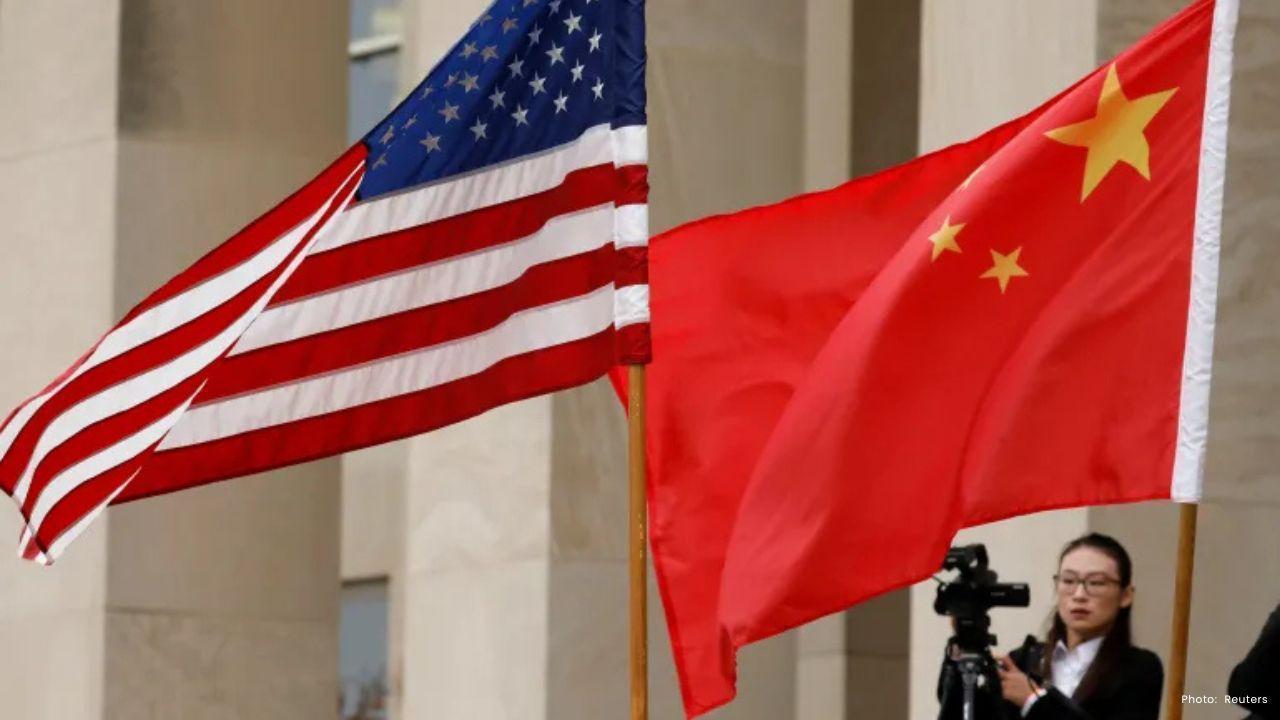
Recent claims by a U.S. official that China carried out a secret nuclear explosive test have been questioned by an international nuclear monitoring authority. The monitoring body says it has not found any proof that such a blast took place. This difference between political claims and scientific monitoring has started a fresh debate about nuclear trust and global security.
The issue came up during an international disarmament meeting. A U.S. representative said China may have conducted hidden nuclear tests in earlier years. The statement suggested that the tests could have broken global norms that discourage nuclear explosions. Because nuclear testing is a very serious matter, the claim quickly drew worldwide attention.
Soon after, the international organization that tracks nuclear explosions around the world reviewed its records. This group operates a large network of sensors placed across many countries. These sensors are built to detect shock waves, underground vibrations, and other signals that come from nuclear blasts. After checking its data, the group said it did not find any event that matched a nuclear explosion linked to the claim. It also said that even after a second review, the result did not change.
China denied the accusation and said it has not carried out any secret nuclear test. Officials there stated that their country follows a cautious nuclear policy and respects its testing commitments. They warned that unproven claims can increase tensions and damage efforts to keep peace.
Nuclear testing is one of the most sensitive topics in international relations. Many countries agreed years ago to stop explosive nuclear tests. Even where formal treaties are not fully active, most major powers have followed a voluntary pause. Monitoring systems were created to make sure no country breaks this norm without being detected.
Experts explain that nuclear explosions leave clear scientific signs. These include special seismic patterns and other measurable effects. Modern monitoring technology is strong enough to notice even small underground blasts. That is why statements from monitoring agencies are taken seriously in global discussions.
This situation shows the difference between intelligence-based accusations and instrument-based findings. Governments sometimes rely on classified reports. Monitoring bodies rely on measured signals and recorded data. When the two do not match, confusion and disagreement can grow.
The bigger concern is about trust between powerful nations. Nuclear arms control depends heavily on verification and transparency. When trust is weak, every claim becomes more political and every denial becomes more defensive. That makes future agreements harder to achieve.
Many security experts say the solution is more openness and cooperation. Countries should support independent monitoring systems and share technical findings when possible. Calm review of facts is better than fast accusations when nuclear risks are involved.
The world has avoided large-scale nuclear testing for many years. Keeping that record depends on strong monitoring, careful language, and responsible leadership. In matters of nuclear safety, evidence must lead the discussion, not suspicion alone.









Reopening of the Strait of Hormuz: New Regulations to Impact Global Trade
Iran reopens the strategic Strait of Hormuz with new regulations affecting oil transport and global

Top 10 Must-See Attractions in NYC for First-Time Explorers
Discover essential experiences for first-time visitors to NYC, including attractions, culture, and i

Starbucks Engages Boyu Capital for Major Chinese Expansion
Starbucks teams up with Boyu Capital, selling a majority stake to boost growth and adapt to the Chin

Three Individuals Charged in Massive Meth Trafficking Case in Malaysia
In Malaysia, a married couple and another suspect are charged with trafficking 510kg of meth, facing

Singapore Police Revisit Geylang Murder Scene with Suspect
In Geylang, police return a murder suspect to the scene of a crime involving the fatal stabbing of a