Post by : Saif Nasser
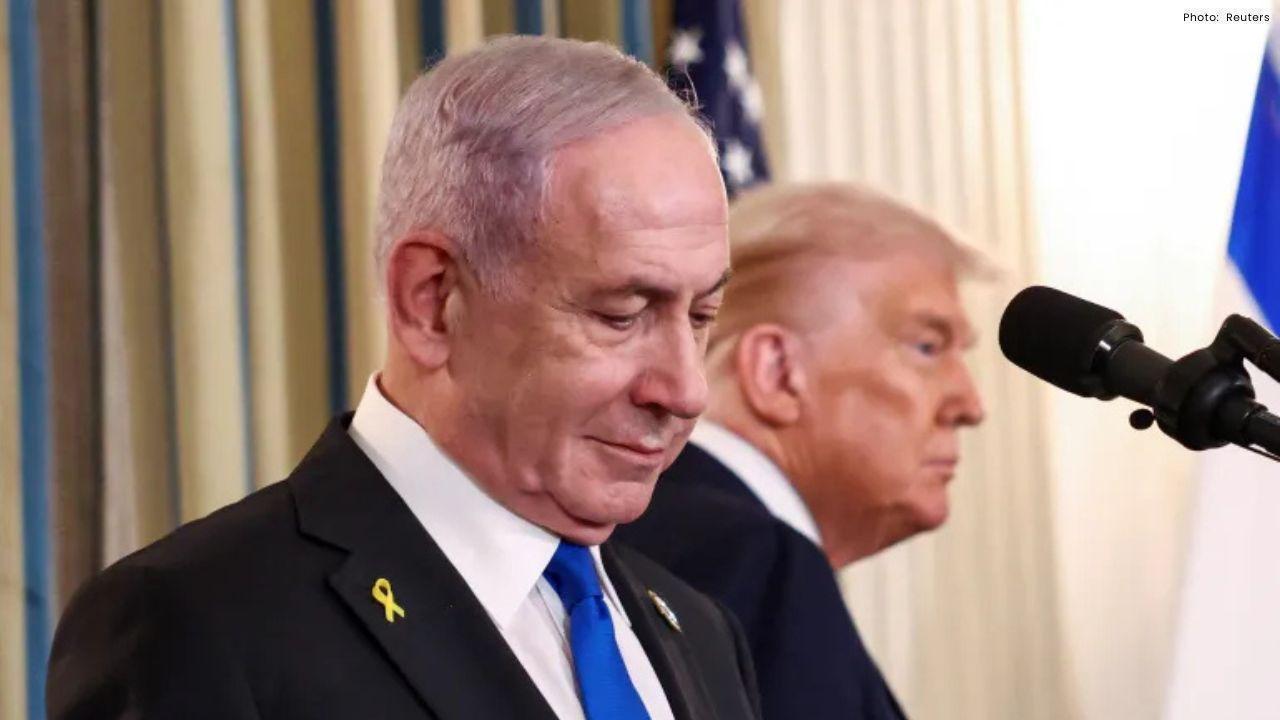
Benjamin Netanyahu has called for a strict condition in any future agreement between the United States and Iran. He says that a real and safe deal must completely dismantle Iran’s nuclear program, not just limit it. His remarks come at a time when new diplomatic talks are being planned to reduce tensions around Iran’s nuclear activities.
Netanyahu made it clear that, in his view, partial limits are not enough. He argues that simply slowing down uranium enrichment or placing temporary controls does not remove the long-term risk. According to him, the only safe solution is to take apart the facilities and systems that allow enrichment and advanced nuclear work. He believes that without full removal, Iran could restart its program quickly in the future.
The debate centers on uranium enrichment. Enrichment is a process that can be used to make fuel for nuclear power plants, but it can also be pushed further to create material for nuclear weapons. Iran has long said its nuclear program is for peaceful energy and research. However, Israel and several Western countries fear the program could be turned toward military use if controls are weak.
The United States has been trying to reopen a diplomatic path with Iran after years of sanctions and broken agreements. American officials want a deal that reduces nuclear risk and lowers the chance of conflict in the Middle East. At the same time, they also want to avoid another long military crisis in the region. Talks are expected to focus on limits, inspections, and monitoring rules.
Netanyahu’s position is tougher than many diplomatic proposals. Most recent frameworks discussed by global powers focus on strict limits, deep inspections, and slow step-by-step reduction of nuclear capacity. Netanyahu instead wants full dismantling. His stance reflects Israel’s long-standing security concern that even a small nuclear capability in Iran could change the regional balance.
Israel sees Iran as its most serious strategic threat. Iranian leaders have often criticized Israeli policies, and the two countries are rivals across the region. Because of this history, Israeli officials say they cannot rely only on promises or temporary limits. They want permanent removal of risk.
Iran, on the other hand, says nuclear technology is part of its national right. Its leaders argue that international rules allow peaceful nuclear development. They also say sanctions have badly hurt their economy and that any deal must include real economic relief. Tehran has repeatedly said it will not accept an agreement that forces it to give up all enrichment activity.
This creates a wide gap between the sides. When one party demands full dismantling and the other demands full rights, compromise becomes difficult. Diplomats often try to bridge such gaps with phased plans. These plans can include lowering enrichment levels, shipping out sensitive material, and allowing round-the-clock inspections by international experts.
Another key issue is trust. Past agreements between Iran and world powers have broken down. Each side accuses the other of not keeping promises. Because of this, any new deal will likely include tighter verification steps and faster penalty rules if violations happen.
Netanyahu’s statement also increases political pressure inside the United States. American leaders must balance several goals at once — preventing nuclear weapons, avoiding war, protecting allies, and keeping global energy markets stable. Strong public demands from Israel can influence how tough U.S. negotiators choose to be at the table.
The coming talks will test whether diplomacy can still deliver results in such a tense environment. A strong deal could lower regional fear and reduce the risk of sudden conflict. A failed process could lead to more sanctions, more covert actions, or even open confrontation.
For now, the message from Israel’s leadership is firm: only a complete rollback of Iran’s nuclear system will be considered safe. Whether negotiators can design a deal that meets security fears while also respecting national rights will decide the next chapter of this long-running dispute.








Reopening of the Strait of Hormuz: New Regulations to Impact Global Trade
Iran reopens the strategic Strait of Hormuz with new regulations affecting oil transport and global

Top 10 Must-See Attractions in NYC for First-Time Explorers
Discover essential experiences for first-time visitors to NYC, including attractions, culture, and i

Starbucks Engages Boyu Capital for Major Chinese Expansion
Starbucks teams up with Boyu Capital, selling a majority stake to boost growth and adapt to the Chin

Three Individuals Charged in Massive Meth Trafficking Case in Malaysia
In Malaysia, a married couple and another suspect are charged with trafficking 510kg of meth, facing

Singapore Police Revisit Geylang Murder Scene with Suspect
In Geylang, police return a murder suspect to the scene of a crime involving the fatal stabbing of a