Post by : Mina Rahman
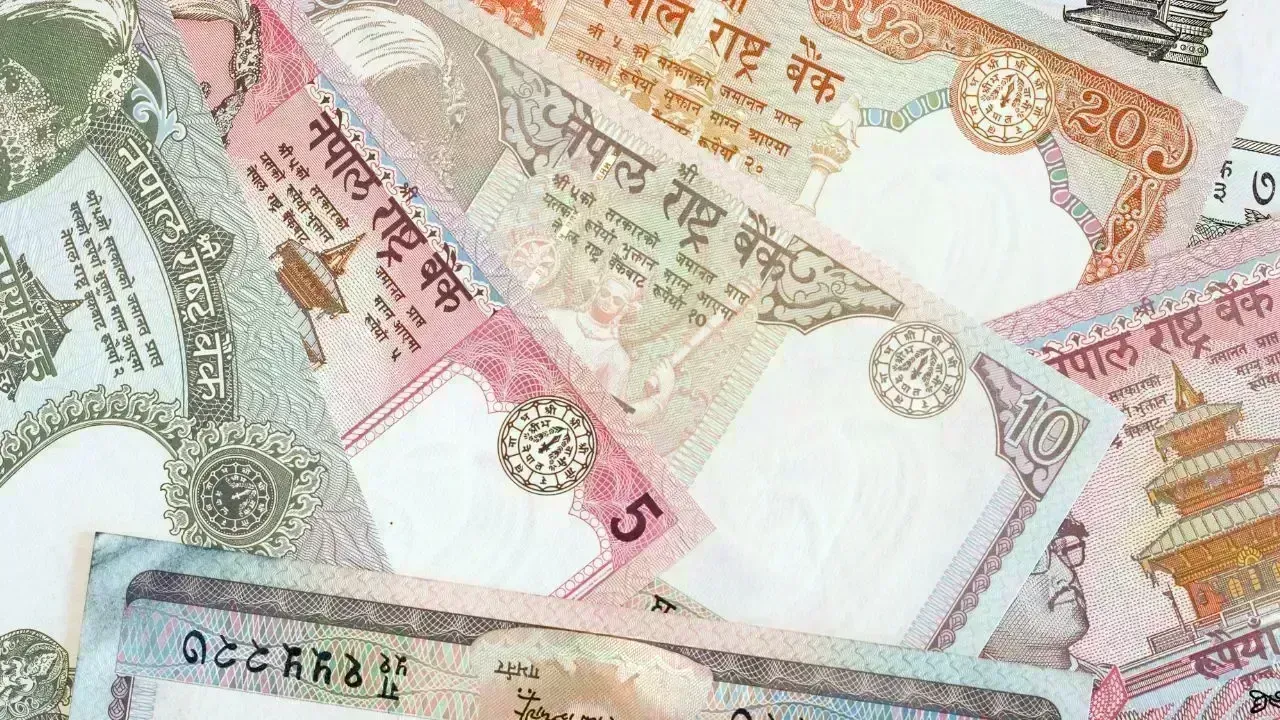
Nepal's government has enacted a new regulation placing a ceiling on cash transactions related to goods and services, setting the threshold at NPR 500,000 (around Rs 3,13,287) per transaction. This measure takes effect from January 15. Under this guideline, any transaction of NPR 500,000 or greater must be completed through a banking institution or formal financial channels, including bank transfers and account-payee cheques.
This initiative aligns with the stipulations of the Asset (Money) Laundering Prevention Act of 2008, which empowers the government to impose limitations on cash dealings as a means to combat unlawful financial activities. The primary aim is to mitigate challenges like money laundering and terrorism financing, which are commonly enabled by substantial cash transactions. The policy emerges at a crucial moment as Nepal has once again been placed on the Financial Action Task Force's (FATF) "grey list", necessitating enhanced financial regulations and transparency to address FATF's concerns.
Notably, there are exceptions to the cash transaction limit. This restriction does not affect cash deposits into financial institutions, loan repayments (covering both principal and interest) to banks, or cash exchanges between financial institutions. Additionally, individuals are not limited by this cap when they possess cash in Nepal, as long as they can clearly document the source and intent of the funds.
In accordance with these regulations, Nepal Rastra Bank, the nation's central bank, has instructed licensed banks and financial bodies that any transactions of NPR 500,000 or above need to be done via account-payee cheques or direct bank account deposits. This applies to cheques from entities like businesses and government offices, insisting they be processed strictly as account-payee to ensure traceability.
Moreover, the central bank has introduced some leniency for cases requiring cash payments exceeding NPR 500,000. If depositors present a formal request with a valid justification, and the bank deems it acceptable, they may receive cash above the stipulated limit.
This policy reflects Nepal’s commitment to enhancing transparency and accountability in financial transactions while aligning with global standards aimed at obstructing illegal financial activities, thereby strengthening the country's financial integrity.










The Impact of Consistent Small Investments on Wealth Building
Discover how investing small amounts regularly can positively transform your financial future over t

7.5 Magnitude Earthquake Strikes Japan, Tsunami Alerts Issued
Japan experiences a hefty 7.5 quake, prompting tsunami alerts and safety measures. Stay updated on a

Reopening of the Strait of Hormuz: New Regulations to Impact Global Trade
Iran reopens the strategic Strait of Hormuz with new regulations affecting oil transport and global

Top 10 Must-See Attractions in NYC for First-Time Explorers
Discover essential experiences for first-time visitors to NYC, including attractions, culture, and i

Starbucks Engages Boyu Capital for Major Chinese Expansion
Starbucks teams up with Boyu Capital, selling a majority stake to boost growth and adapt to the Chin

Three Individuals Charged in Massive Meth Trafficking Case in Malaysia
In Malaysia, a married couple and another suspect are charged with trafficking 510kg of meth, facing