Post by : Saif Nasser
Asian energy markets are facing a growing shortage of fuel oil after exports from the Middle East dropped sharply in recent days. Traders and industry officials say the decline in shipments is linked to rising tensions and military activity in the region, which has disrupted normal oil trade routes.
Fuel oil is widely used across Asia. It powers large ships, runs power plants, and supports many heavy industries. Because many Asian countries import large amounts of this fuel from the Middle East, any disruption in supply quickly affects the region’s energy markets.
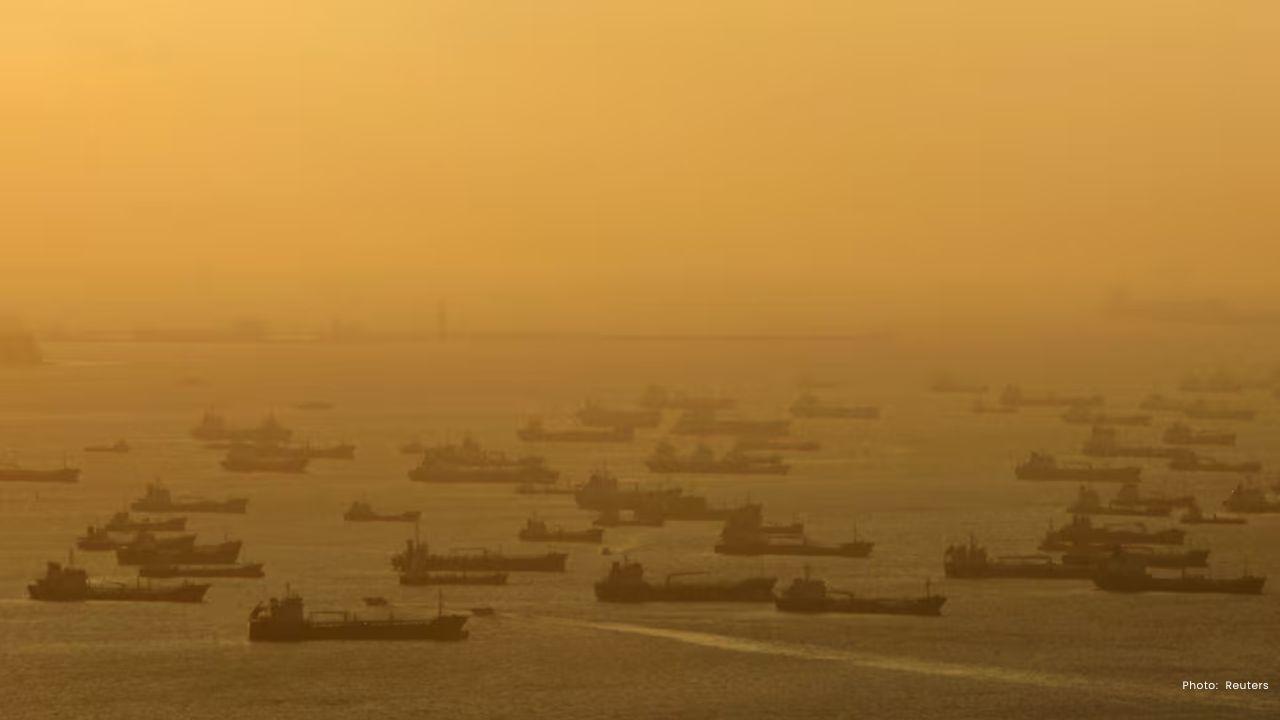
According to industry sources, shipments of fuel oil moving from the Middle East toward Asia have fallen dramatically. Tankers that usually transport large quantities of fuel through the Strait of Hormuz are now moving much less cargo than usual. The Strait of Hormuz is a key waterway connecting oil-producing Gulf countries with global markets.
Under normal conditions, around 1.2 million metric tons of fuel oil pass through this route each month for Asian buyers. But recent data shows that tanker traffic carrying this fuel has dropped by nearly 90 percent since the conflict in the region intensified.
This sharp decline has made it harder for traders in Asia to secure new cargoes. Buyers who usually rely on Gulf suppliers are now competing for a smaller amount of available fuel. As demand remains strong and supplies shrink, prices have started to rise.
Singapore, which is the largest shipping fuel hub in Asia, has already seen a big jump in fuel oil prices. High-sulfur fuel oil, a common bunker fuel used by ships, has climbed more than 40 percent since tensions in the Middle East began affecting exports.
The rise in bunker fuel prices is particularly important for the global shipping industry. Large cargo ships depend on this fuel to transport goods around the world. When fuel becomes more expensive, the cost of operating ships also increases. This can lead to higher shipping rates, which may eventually raise the prices of many everyday products.
To deal with the shortage, energy traders across Asia are searching for alternative supplies. Some buyers are looking to import fuel oil from other regions such as the United States, Mexico, Venezuela, and Russia. However, replacing Middle Eastern shipments is not easy.
One challenge is that these alternative sources may not have enough fuel available to fully replace the lost supply. Another issue is transportation cost. Shipping fuel from distant countries requires longer journeys and higher freight charges, which adds to the final price of the fuel.
Sanctions on certain oil-producing countries also make the market more complicated. Restrictions on some exports limit the number of suppliers that buyers can use, reducing flexibility in the global energy market.
Refineries in Asia are also feeling the pressure. Because crude oil shipments from the Middle East have become uncertain, some refineries are adjusting their operations. In some cases, they are reducing output because of concerns about future supplies.
Lower refinery output can create additional shortages of refined products such as diesel, gasoline, and fuel oil. This could eventually affect industries that depend on these fuels for transportation and manufacturing.
At the moment, existing fuel reserves are helping prevent a more severe shortage. Singapore and other major storage centers hold fuel inventories that can supply the market for a limited time. Some fuel cargoes stored on tankers offshore are also being used to meet demand.
However, experts warn that these reserves are only a temporary solution. If Middle East exports remain low for an extended period, stockpiles could begin to run down, which would tighten the market even more.
The situation shows how dependent Asia is on energy supplies from the Gulf region. Countries such as China, India, Japan, and South Korea import large amounts of oil and fuel products from the Middle East every year. Any disruption in this supply chain can quickly affect regional energy security.
The Strait of Hormuz remains one of the most important shipping routes for global energy trade. A significant share of the world’s oil and fuel shipments passes through this narrow waterway each day. When tensions rise in this area, energy markets across the world often react quickly.
Economists say that higher fuel prices could also contribute to rising inflation. When transportation and energy costs increase, businesses often pass those extra costs to customers. As a result, everyday goods may become more expensive.
Many companies involved in shipping, refining, and energy trading are now watching developments in the Middle East closely. They are hoping that tensions will ease and that normal oil shipments will resume.
For now, Asian markets remain under pressure. Traders are competing for limited cargoes, prices are rising, and companies are searching for new supply routes.
The current situation highlights how closely connected the world’s energy systems are. A disruption in one region can quickly affect supply chains, transportation costs, and economic stability in many parts of the world.







DAE Achieves Remarkable Growth in Q1 2026 With Record Revenue
Dubai Aerospace Enterprise announces impressive financial results for Q1 2026, reflecting a surge in

Price Increase for Sony PS5 in Southeast Asia Effective May 1
Sony announces a price increase for the PS5 across Southeast Asia starting May 1, 2026, impacting ga

Potential ‘Super El Niño’ in 2026: Understanding the Climate Risks
Could a Super El Niño emerge in 2026? Discover its implications and potential global climate impacts

Global Energy Crisis Intensifies: Markets React to Oil Supply Challenges
Markets are on edge as oil disruptions escalate, influencing prices and economic stability. Explore

Must-See Tourist Spots in London You Can't Overlook
Explore London's essential attractions, from royal landmarks to vibrant markets, ensuring an unforge

Ultimate Guide to Snagging Cheap Flights in 2026
Unlock the secrets to booking affordable flights in 2026 with insightful tips and strategies tailore




