Post by : Saif Nasser
A serious disagreement between Gaza’s Nasser Hospital and the medical charity Doctors Without Borders has drawn attention to the fragile state of health care in the middle of war and unrest. The hospital’s leadership has publicly criticized the group’s decision to suspend most of its non-emergency services, calling the move harmful and based on what it says are incorrect claims about security conditions inside the facility.
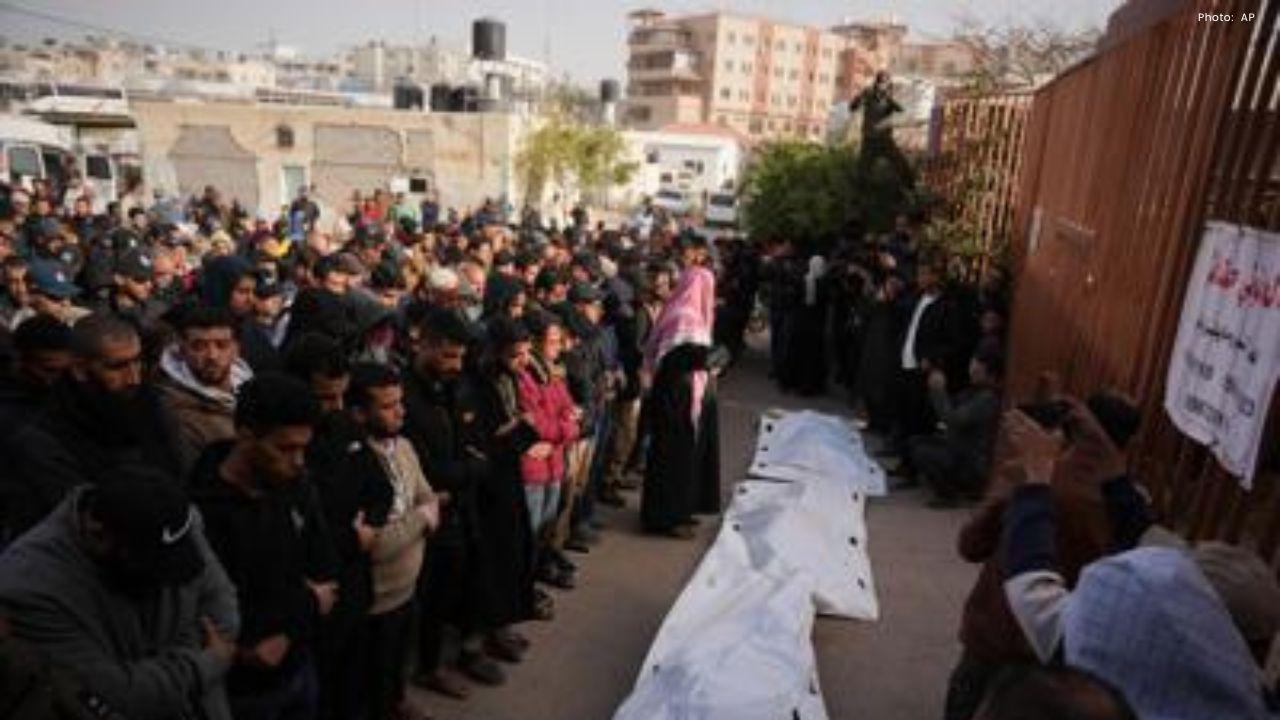
The dispute matters because Nasser Hospital is one of the last large working hospitals in southern Gaza. It treats hundreds of wounded and sick patients every day. When any major medical group reduces its work there, the effect is immediate and serious for civilians who depend on treatment.
Doctors Without Borders, also known as MSF, announced that it had stopped most noncritical operations at the hospital due to security risks. The group said its staff and patients faced threats because armed men were being seen inside parts of the hospital compound. It also reported cases of intimidation and arrests of patients, which it said made safe medical work difficult.
Hospital officials strongly rejected those claims. Leaders at Nasser Hospital said the armed presence noted by MSF was actually civilian police assigned to protect patients, staff, and buildings. According to the hospital, these guards were necessary because armed gangs and militias have attacked or entered the facility in recent months. Administrators argued that security support is needed to keep medical services running, not to threaten them.
This public clash between two health providers is rare, especially during an ongoing conflict. Usually, hospitals and aid groups try to settle such differences quietly. The fact that this dispute became public shows how much pressure the medical system is under.
The wider background is the continuing conflict between Israel and Hamas, along with a fragile ceasefire that has not fully stopped violence. Hospitals across Gaza have been damaged, evacuated, or forced to shut down at different times during the war. Medical staff often work with limited supplies, damaged buildings, and constant fear of new strikes or raids.
Israeli authorities have accused armed groups of using hospitals for military purposes, including command posts and hiding places. Israel’s military has made such claims about Nasser Hospital as well, though detailed public evidence has not always been provided. Armed group members have been seen in and around hospitals during the conflict, which increases tension and mistrust.
Medical charities operate under strict rules of neutrality. They must try to treat all patients and avoid being linked to any armed side. When they believe a hospital environment is no longer safe or neutral, they may reduce or suspend services. That appears to be the reasoning behind MSF’s decision. From their point of view, staff safety and patient safety come first.
From the hospital’s point of view, however, removing services during a crisis can put even more lives at risk. Local doctors say they are already overwhelmed. Losing outside support makes it harder to handle surgeries, trauma care, and chronic illness treatment. In war zones, even small service cuts can lead to preventable deaths.
The situation also raises a bigger question: how can hospitals stay protected spaces during modern conflicts? International law says medical centers must not be attacked or misused. But in real fighting, those lines often blur. Armed actors move through civilian areas, and hospitals sometimes become caught in the middle.
Trust is the most important element in emergency health work. Aid groups must trust that facilities are safe enough to operate. Hospitals must trust that aid groups will not leave too quickly. When that trust breaks, patients suffer first.
There is a strong need for clear, independent monitoring of hospital security in conflict zones. Neutral observers, when possible, can help confirm facts and reduce false claims. Better coordination between hospital managers, aid groups, and local security actors can also lower risk.
At the center of this dispute are not institutions but patients — wounded civilians, the chronically ill, and children who need steady care. Their needs do not pause for political arguments or security disagreements. Any solution should focus first on restoring safe, full medical services.





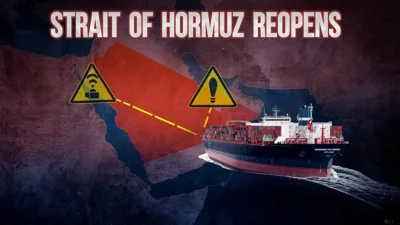
Reopening of the Strait of Hormuz: New Regulations to Impact Global Trade
Iran reopens the strategic Strait of Hormuz with new regulations affecting oil transport and global

Top 10 Must-See Attractions in NYC for First-Time Explorers
Discover essential experiences for first-time visitors to NYC, including attractions, culture, and i

Starbucks Engages Boyu Capital for Major Chinese Expansion
Starbucks teams up with Boyu Capital, selling a majority stake to boost growth and adapt to the Chin

Three Individuals Charged in Massive Meth Trafficking Case in Malaysia
In Malaysia, a married couple and another suspect are charged with trafficking 510kg of meth, facing

Singapore Police Revisit Geylang Murder Scene with Suspect
In Geylang, police return a murder suspect to the scene of a crime involving the fatal stabbing of a