Post by : Saif Nasser
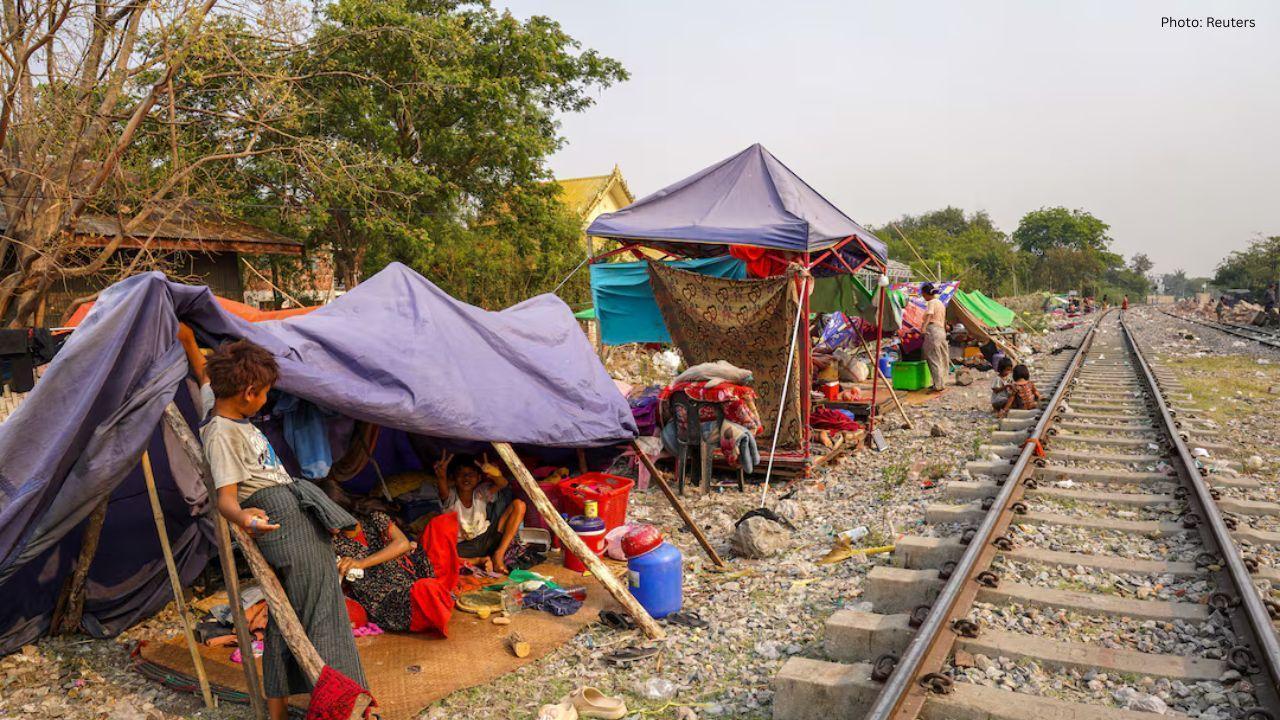
Myanmar is heading to the polls while the country continues to face a severe civil war and one of Asia’s worst humanitarian crises. Already one of Southeast Asia’s poorest nations, Myanmar has been battered by years of conflict, natural disasters, and economic difficulties.
The crisis began after the military coup in 2021, which removed the elected government of Nobel Peace Prize winner Aung San Suu Kyi. Since then, fighting between the military and opposition groups has caused widespread destruction. According to the United Nations, more than 6,800 civilians have been killed, and over 3.6 million people have been forced to leave their homes.
The humanitarian situation is dire. Repeated natural disasters, including a major earthquake earlier this year, have added to the suffering. Rising inflation and a falling currency have pushed nearly half of the population below the poverty line. About 20 million people in Myanmar now need humanitarian aid, yet only 12% of the required funds have been received. Cuts to international aid, particularly from the United States, have worsened the situation, making survival even harder for the most vulnerable.
Food insecurity is critical. Over 16 million people face acute hunger, making Myanmar a major global hunger hotspot. The UN’s World Food Programme estimates that more than one million people will need life-saving food support next year. Children are especially at risk, with over 540,000 expected to suffer from severe malnutrition this year—a 26% increase from last year. Nearly one in three children under five already suffers from stunted growth due to chronic hunger.
Despite these challenges, there are signs of slow economic recovery. The World Bank projects Myanmar’s GDP to grow by around 3% in the next fiscal year, mainly driven by reconstruction efforts after the earthquake and targeted assistance to the hardest-hit regions. However, inflation remains above 20%, and frequent electricity shortages are forcing households and businesses to rely more on solar power.
International involvement is limited but ongoing. Russia has signed investment agreements with Myanmar, offering opportunities for Russian energy companies in the country. Still, political instability, restrictions on press freedom, and weak infrastructure continue to hamper progress.
The elections are taking place under extraordinary conditions. Millions of people live in conflict zones, facing hunger, displacement, and insecurity, which makes participation in the voting process difficult and risky. Observers are watching closely to see whether the polls will help stabilize the country or further deepen divisions.
As Myanmar votes, the immediate focus for the nation remains survival, meeting basic needs, and striving for peace. The elections are not only a political test but also a reminder of the urgent humanitarian challenges that millions of citizens continue to face.




Mattel Revives Masters of the Universe Action Figures Ahead of Film Launch
Mattel is reintroducing Masters of the Universe figures in line with its upcoming film, tapping into

China Executes 11 Members of Criminal Clan Linked to Myanmar Scam
China has executed 11 criminals associated with the Ming family, known for major scams and human tra

US Issues Alarm to Iran as Military Forces Deploy in Gulf Region
With a significant military presence in the Gulf, Trump urges Iran to negotiate a nuclear deal or fa

Copper Prices Reach Unprecedented Highs Amid Geopolitical Turmoil
Copper prices soar to all-time highs as geopolitical tensions and a weakening dollar boost investor

New Zealand Secures First Win Against India, Triumph by 50 Runs
New Zealand won the 4th T20I against India by 50 runs in Vizag. Despite Dube's impressive 65, India