Post by : Shweta
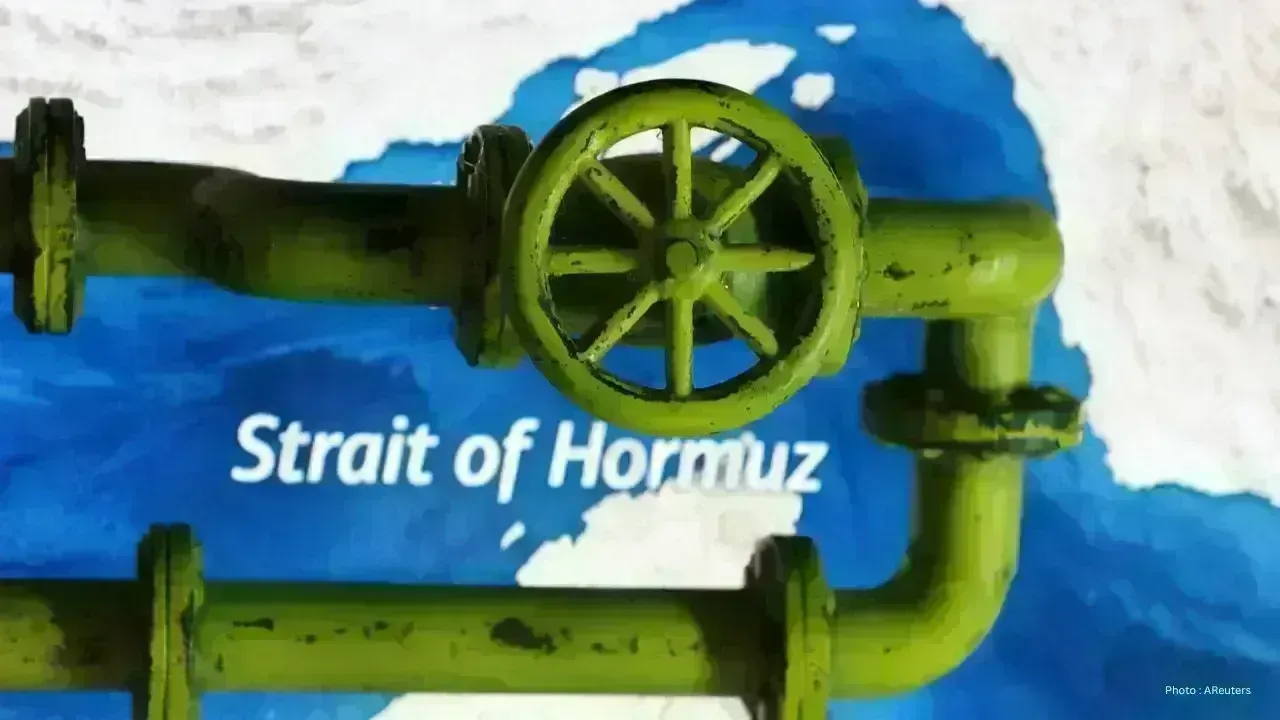
As global energy dynamics shift, oil and gas exporters from the Middle East are actively seeking alternative shipping routes following the recent closure of the Strait of Hormuz. This vital waterway, which saw nearly 20% of the world's oil supply pass through it, now presents significant challenges, exacerbated by escalating tensions between Iran and the United States.
The disruption has led to a sharp increase in global oil prices, emphasizing the reliance of many nations on a select few critical shipping channels. Analysts have noted that the closure highlights a critical vulnerability in the global energy supply chain.
Key oil producers in the Gulf region, including Saudi Arabia and the United Arab Emirates, are pushing for new routes to maintain their export levels. However, the feasibility of such alternatives remains limited, especially for nations like Iraq, Kuwait, Qatar, and Bahrain, which heavily depend on this narrow passage.
Experts such as Fatih Birol have raised alarms over the risks tied to over-reliance on sensitive routes like the Strait of Hormuz. The current crisis underscores the urgency for governments and corporations to reassess their long-term energy strategies and consider infrastructural investments that diminish dependence on this critical chokepoint.
Moreover, this situation has shifted regional power dynamics. While Iran initially had the strategic upper hand due to its control over sea access, rising military pressures—including U.S naval operations—have diminished its leverage. Simultaneously, increasing tensions among Gulf states have prompted concerns regarding energy infrastructure vulnerabilities, pushing for more sustainable long-term energy routes.
Despite initiatives to find alternatives, the volume of oil typically transported through Hormuz makes it a daunting task to establish replacements quickly. Major Asian markets, notably China, India, and Japan, depend heavily on this oil supply, and sustained disruption could lead to severe repercussions for global economies, including heightening fuel prices and stunted growth rates.
As the geopolitical landscape evolves, the energy sector grapples with uncertainties. Efforts to diversify supply channels are underway, but experts agree that creating dependable alternatives will require considerable time. For now, the closure of the Strait of Hormuz represents a significant challenge to the international economic framework.








Ultimate Guide to Snagging Cheap Flights in 2026
Unlock the secrets to booking affordable flights in 2026 with insightful tips and strategies tailore

The Impact of Consistent Small Investments on Wealth Building
Discover how investing small amounts regularly can positively transform your financial future over t

7.5 Magnitude Earthquake Strikes Japan, Tsunami Alerts Issued
Japan experiences a hefty 7.5 quake, prompting tsunami alerts and safety measures. Stay updated on a
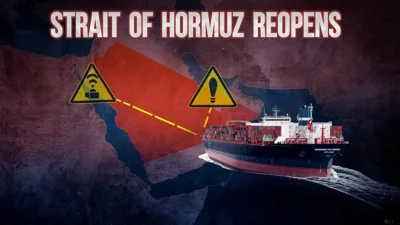
Reopening of the Strait of Hormuz: New Regulations to Impact Global Trade
Iran reopens the strategic Strait of Hormuz with new regulations affecting oil transport and global

Top 10 Must-See Attractions in NYC for First-Time Explorers
Discover essential experiences for first-time visitors to NYC, including attractions, culture, and i

Starbucks Engages Boyu Capital for Major Chinese Expansion
Starbucks teams up with Boyu Capital, selling a majority stake to boost growth and adapt to the Chin