Post by : Saif Nasser
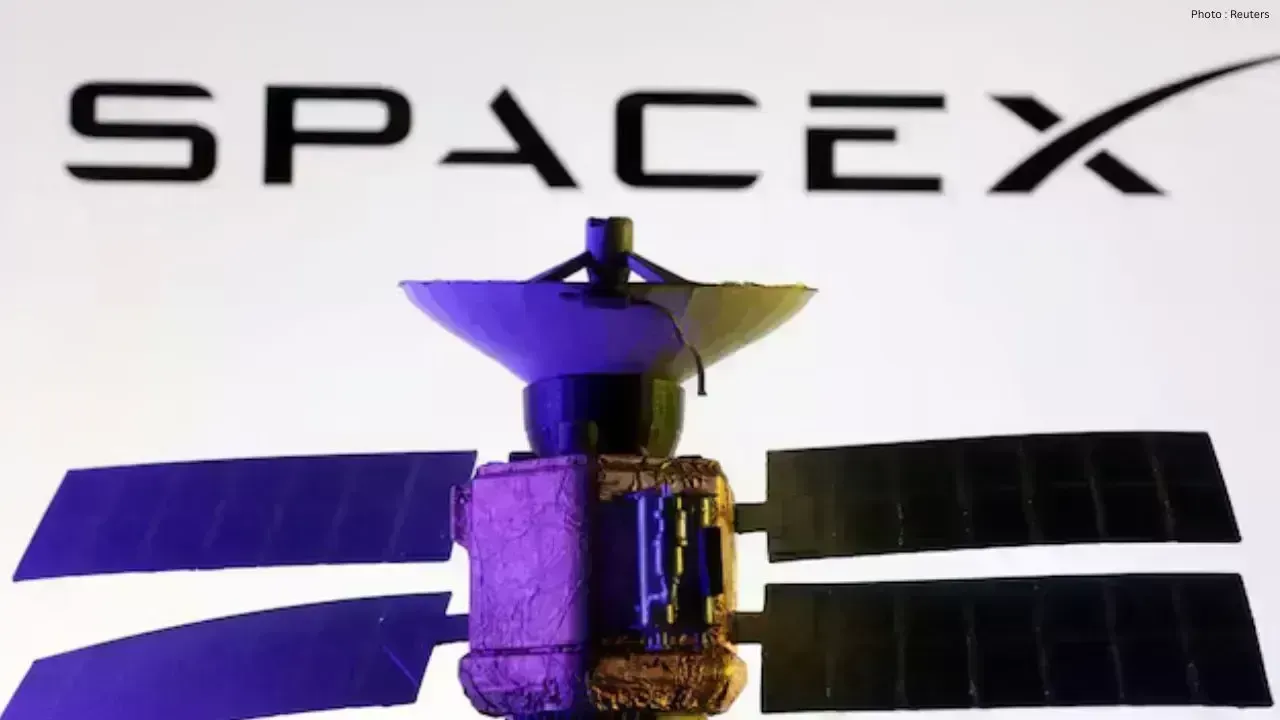
A massive new IPO wave is expected to hit global markets, with companies like SpaceX and OpenAI planning to go public. Reports suggest that this wave could add nearly $3 trillion in market value, making it one of the biggest IPO phases in history. However, a major concern is that many of these companies are still not making profits.
An Initial Public Offering (IPO) allows a private company to sell its shares to the public for the first time. It helps companies raise money for growth, but it also brings public scrutiny. In this case, investors are showing strong interest because these companies are working in fast-growing areas like artificial intelligence and space technology.
The excitement around these IPOs is driven by future potential rather than current performance. Companies like SpaceX are working on advanced space missions, while OpenAI is leading in AI development. Many investors believe these sectors will shape the future, which is why they are willing to invest even without clear profits.
However, this situation raises serious questions about valuation. Traditionally, companies go public after showing steady earnings. In contrast, these firms are being valued at very high levels despite not having stable profits. This creates a gap between expectations and reality, which can be risky for investors.
Another concern is how these stocks will perform after listing. IPOs often attract attention and can see rapid price increases in the beginning. But if companies fail to meet expectations, stock prices can fall just as quickly. This makes such investments uncertain, especially for small investors.
The trend also reflects a broader shift in global markets. Technology-driven companies are gaining more importance, and investors are focusing more on innovation than immediate returns. While this approach can lead to major success stories, it also increases the chances of failure if growth does not match expectations.
At the same time, supporters argue that companies working on advanced technologies need time to become profitable. Building new systems, developing products, and expanding globally require heavy investment. For long-term investors, this may still be a worthwhile opportunity.
The upcoming IPO wave will test how much risk investors are willing to take. It will also show whether markets can support such high valuations without strong earnings. The outcome could shape future investment trends and influence how companies plan their public listings.
This situation highlights both opportunity and uncertainty. While these companies have the potential to change industries, their success will depend on their ability to turn innovation into real profits over time.








Ultimate Guide to Snagging Cheap Flights in 2026
Unlock the secrets to booking affordable flights in 2026 with insightful tips and strategies tailore

The Impact of Consistent Small Investments on Wealth Building
Discover how investing small amounts regularly can positively transform your financial future over t

7.5 Magnitude Earthquake Strikes Japan, Tsunami Alerts Issued
Japan experiences a hefty 7.5 quake, prompting tsunami alerts and safety measures. Stay updated on a

Reopening of the Strait of Hormuz: New Regulations to Impact Global Trade
Iran reopens the strategic Strait of Hormuz with new regulations affecting oil transport and global

Top 10 Must-See Attractions in NYC for First-Time Explorers
Discover essential experiences for first-time visitors to NYC, including attractions, culture, and i

Starbucks Engages Boyu Capital for Major Chinese Expansion
Starbucks teams up with Boyu Capital, selling a majority stake to boost growth and adapt to the Chin