Post by : Saif Nasser
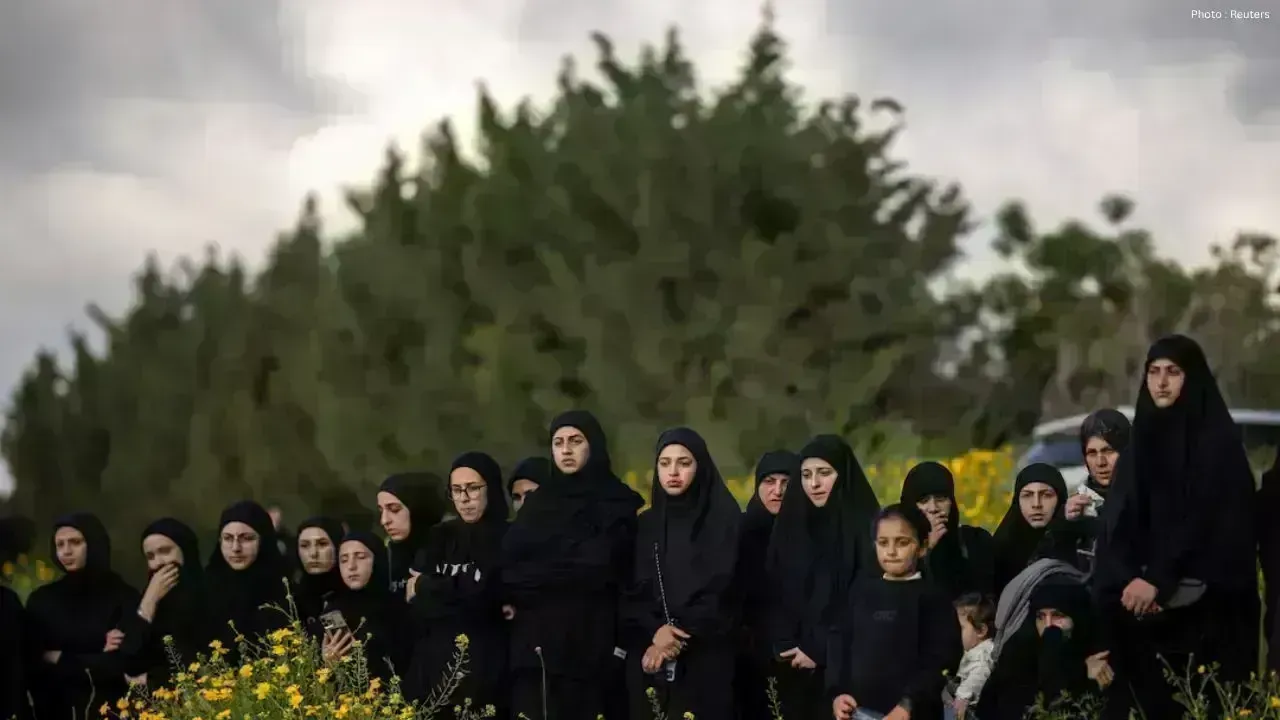
Efforts to control rising tensions in the Middle East have moved to Washington, where Lebanon is seeking to extend a fragile ceasefire with Israel. The talks, hosted by the United States, come at a time when violence along the border continues despite earlier attempts to reduce conflict.
The current ceasefire was introduced as a short-term step to stop heavy fighting. It helped reduce large-scale attacks, but it has not fully ended clashes. Reports of airstrikes and counter-attacks have continued, showing that the situation remains unstable. This is why Lebanon is now pushing for an extension, hoping to bring more lasting calm to the region.
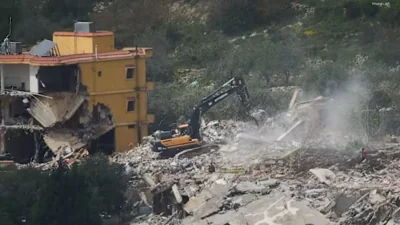
A key part of Lebanon’s demand is the withdrawal of Israeli forces from certain areas in the south. It is also calling for a complete halt to military actions so that people who were forced to leave their homes can return safely. The ongoing conflict has caused serious damage to homes and infrastructure, making daily life difficult for many families.
On the other hand, Israel has made it clear that its actions are based on security concerns. It sees Hezbollah as a major threat and believes that strong measures are needed to prevent attacks. Israel has stressed that any long-term peace must include steps to limit the group’s military strength.
One major challenge in these talks is that Hezbollah is not directly involved. Since the group plays a key role in the conflict, its absence makes it harder to reach a complete and lasting agreement. Even if governments agree on terms, the success of a ceasefire depends on all sides following it.
The United States is acting as a mediator, trying to bring both sides closer to a solution. Its role is important because direct communication between Israel and Lebanon has been limited over the years. These talks provide a rare chance for dialogue, even if progress is slow.
The impact of the conflict has been severe. Many people have lost their lives, and thousands have been displaced. The humanitarian situation in southern Lebanon remains difficult, with damaged homes and limited access to basic services. A longer ceasefire could help improve these conditions and allow relief efforts to reach affected areas.
The situation also reflects wider tensions in the region. Issues involving Iran and other regional players have made the conflict more complex. This means that even a local ceasefire is influenced by larger political and security concerns.
Despite these difficulties, the talks offer hope. Even a short extension of the ceasefire can reduce violence and give both sides time to explore longer-term solutions. Dialogue remains the only path that can prevent further escalation.
The push for a ceasefire extension shows how urgent the situation has become. While challenges remain, continued discussions are important to avoid more suffering and to move slowly toward stability in the region.







Ultimate Guide to Snagging Cheap Flights in 2026
Unlock the secrets to booking affordable flights in 2026 with insightful tips and strategies tailore

The Impact of Consistent Small Investments on Wealth Building
Discover how investing small amounts regularly can positively transform your financial future over t

7.5 Magnitude Earthquake Strikes Japan, Tsunami Alerts Issued
Japan experiences a hefty 7.5 quake, prompting tsunami alerts and safety measures. Stay updated on a

Reopening of the Strait of Hormuz: New Regulations to Impact Global Trade
Iran reopens the strategic Strait of Hormuz with new regulations affecting oil transport and global

Top 10 Must-See Attractions in NYC for First-Time Explorers
Discover essential experiences for first-time visitors to NYC, including attractions, culture, and i

Starbucks Engages Boyu Capital for Major Chinese Expansion
Starbucks teams up with Boyu Capital, selling a majority stake to boost growth and adapt to the Chin