Post by : Saif Nasser
Fresh tensions have emerged in Lebanon after reports that Israel continues to demolish homes in southern areas, even after agreeing to a ceasefire. The developments have raised serious concerns about the future of peace efforts and the safety of civilians in the region.
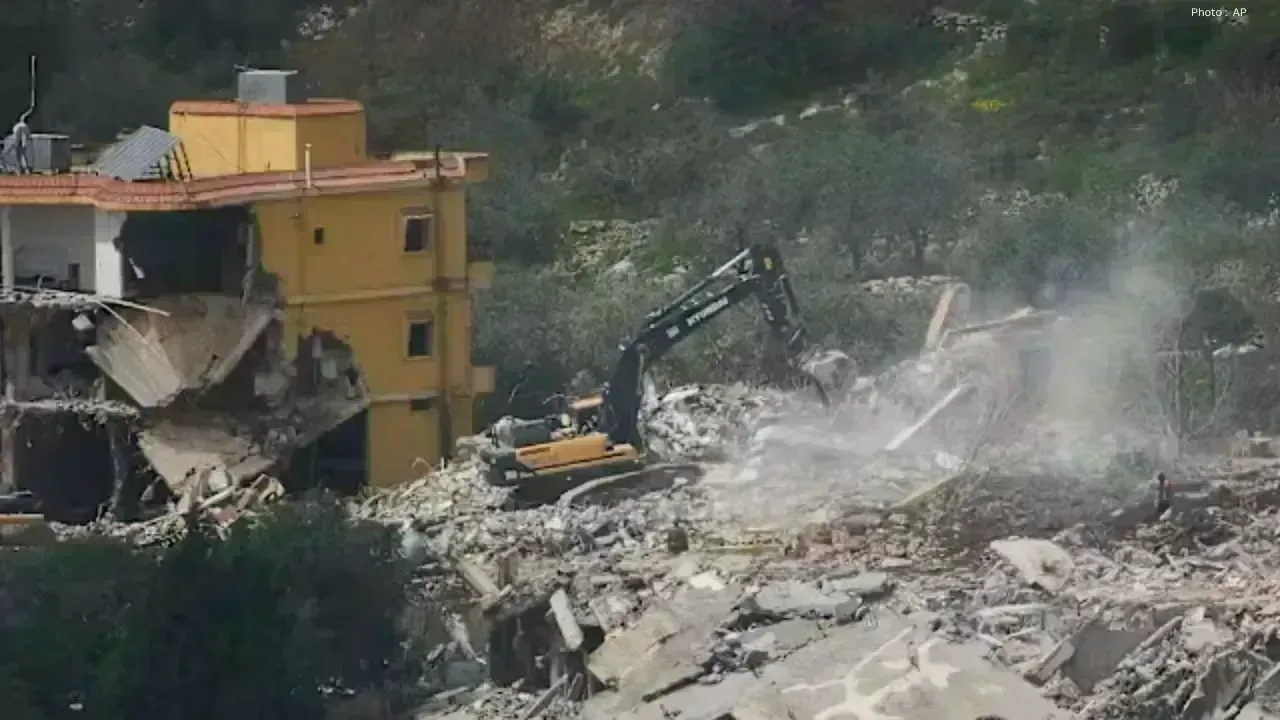
According to reports, entire villages near the border have been heavily damaged. In places like Beit Lif, many homes have been reduced to rubble, leaving little behind for residents who once lived there. Witnesses say the destruction has been widespread, with buildings being flattened gradually by military equipment.
The Israeli military has said that the demolitions are aimed at removing structures used by Hezbollah for military purposes. It claims that such actions are necessary for security and to prevent future attacks. However, Lebanese officials strongly disagree and have condemned the demolitions, calling them unjustified and harmful to civilians.
One of the biggest concerns is the impact on ordinary people. Thousands of families who had already been displaced by the conflict are now facing even greater uncertainty. With homes destroyed, many may not be able to return, even if the ceasefire holds. This adds to the growing humanitarian crisis in southern Lebanon.
The situation also raises questions about the meaning of a ceasefire. While large-scale fighting may have reduced, actions like demolitions continue to create tension. This shows that peace on paper does not always translate into peace on the ground.
The conflict between Israel and Hezbollah has already caused heavy loss of life and large-scale displacement. Reports suggest that thousands of people have been killed and many more forced to leave their homes since the fighting began earlier this year.
Another challenge is the lack of trust between the sides. Lebanon has said it will raise the issue of demolitions during ongoing talks, while Hezbollah has warned that such actions could lead to further attacks. This creates a risky situation where even small incidents can lead to renewed violence.
International concern is also growing. Peacekeeping forces and global observers have found it difficult to fully assess the situation due to security risks. This makes it harder to verify facts and ensure that agreements are being followed properly.
The continued demolitions highlight a deeper issue in modern conflicts—civilians often suffer the most. Even when military goals are cited, the destruction of homes affects families, communities, and the future of entire regions. Rebuilding such areas takes time, resources, and stability, which are often in short supply during conflict.
At the same time, the situation shows how fragile the current ceasefire is. Without strong commitment from all sides, peace efforts can quickly break down. Actions that increase tension, even if seen as strategic by one side, can reduce trust and delay progress toward a lasting solution.
The developments in southern Lebanon serve as a reminder that ending violence is only the first step. True peace requires rebuilding trust, protecting civilians, and ensuring that agreements are respected on the ground. Until then, the region is likely to remain tense, with uncertainty affecting the lives of many.







Ultimate Guide to Snagging Cheap Flights in 2026
Unlock the secrets to booking affordable flights in 2026 with insightful tips and strategies tailore

The Impact of Consistent Small Investments on Wealth Building
Discover how investing small amounts regularly can positively transform your financial future over t

7.5 Magnitude Earthquake Strikes Japan, Tsunami Alerts Issued
Japan experiences a hefty 7.5 quake, prompting tsunami alerts and safety measures. Stay updated on a
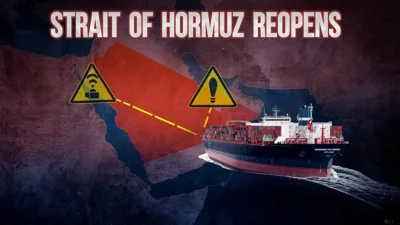
Reopening of the Strait of Hormuz: New Regulations to Impact Global Trade
Iran reopens the strategic Strait of Hormuz with new regulations affecting oil transport and global

Top 10 Must-See Attractions in NYC for First-Time Explorers
Discover essential experiences for first-time visitors to NYC, including attractions, culture, and i

Starbucks Engages Boyu Capital for Major Chinese Expansion
Starbucks teams up with Boyu Capital, selling a majority stake to boost growth and adapt to the Chin