Post by : Saif Nasser
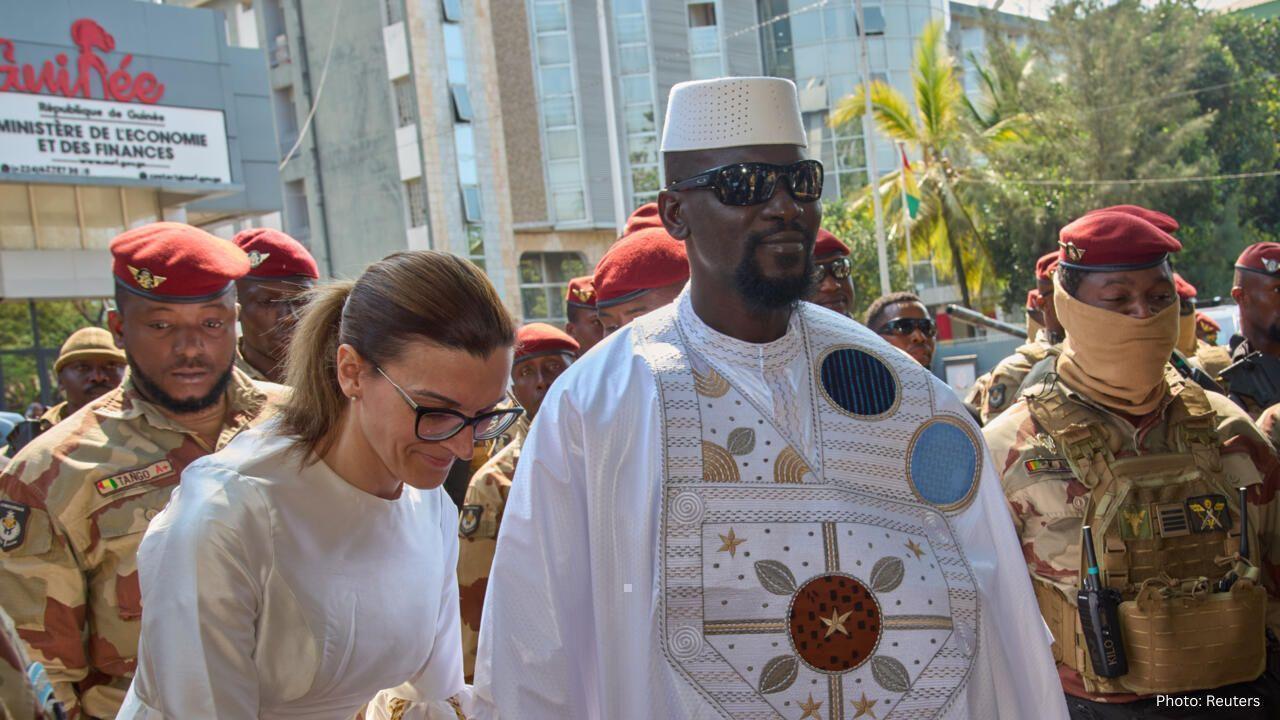
Guinea’s military leader Mamady Doumbouya has been declared the winner of the country’s presidential election, according to provisional results announced by election officials. The outcome marks a major political moment for the West African nation, which has been under military rule since Doumbouya seized power in a coup in 2021.
The former special forces commander won 86.72% of the vote in the December 28 election. This clear majority means he will not need to face a second round of voting. If the results are confirmed by the Supreme Court, Doumbouya will serve a seven-year term as president. The court has eight days to review and validate the outcome in case of any legal challenges.
Doumbouya came to power four years ago after removing President Alpha Condé, who had ruled Guinea since 2010. At the time of the coup, Doumbouya promised a transition to civilian rule and initially agreed that members of the military government would not run in future elections. However, this promise was later reversed. A new constitution approved by voters in a September referendum removed the ban on junta leaders contesting elections, clearing the way for Doumbouya to run.
His victory was widely expected. Many well-known political figures, including former president Condé and longtime opposition leader Cellou Dalein Diallo, are living in exile. This left Doumbouya facing eight lesser-known challengers, dividing the opposition vote. Election officials reported a high voter turnout of about 81%, though opposition groups questioned this figure, especially after seeing low participation in parts of the capital, Conakry.
Guinea’s rich natural resources have played a key role in Doumbouya’s popularity. The country holds the world’s largest bauxite reserves and is home to the massive Simandou iron ore project, which officially began operations last month after years of delay. Doumbouya has taken credit for moving the project forward and for policies aimed at ensuring the state gains more benefit from its resources. His government has also taken a firm stance against foreign mining firms, reflecting a broader trend of resource nationalism seen in parts of West Africa.
Supporters say Doumbouya’s age and strong control of the state appeal to a young population, as Guinea’s median age is just 19. Critics, however, raise serious concerns about political freedoms. Civil society groups and opposition leaders say protests have been banned, media outlets face pressure, and political opponents are often silenced.
The United Nations has also expressed alarm. Its human rights chief said the election campaign was heavily restricted, with reports of intimidation, enforced disappearances, and limits on press freedom. Opposition candidates have alleged widespread fraud and claimed that election observers were blocked from monitoring the vote.
As Guinea moves forward, Doumbouya’s election closes one chapter of military transition but opens another filled with questions. Many Guineans hope for stability and economic growth, while others fear that real democracy and open political debate may remain out of reach.

Mattel Revives Masters of the Universe Action Figures Ahead of Film Launch
Mattel is reintroducing Masters of the Universe figures in line with its upcoming film, tapping into
China Executes 11 Members of Criminal Clan Linked to Myanmar Scam
China has executed 11 criminals associated with the Ming family, known for major scams and human tra

US Issues Alarm to Iran as Military Forces Deploy in Gulf Region
With a significant military presence in the Gulf, Trump urges Iran to negotiate a nuclear deal or fa

Copper Prices Reach Unprecedented Highs Amid Geopolitical Turmoil
Copper prices soar to all-time highs as geopolitical tensions and a weakening dollar boost investor
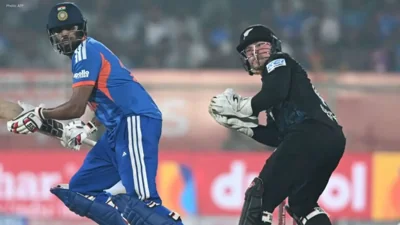
New Zealand Secures First Win Against India, Triumph by 50 Runs
New Zealand won the 4th T20I against India by 50 runs in Vizag. Despite Dube's impressive 65, India