Post by : Saif Nasser
The recent capture of Venezuela’s former president Nicolás Maduro by the United States has triggered deep concern among world leaders, legal experts, and international organizations. Many fear that this action could weaken the global system of laws and rules that was created to prevent chaos and war after the destruction of the 20th century.
After two world wars caused massive loss of life, countries came together to form international laws under the United Nations. These rules were designed to protect national borders, prevent the misuse of force, and encourage peaceful solutions to conflicts. Today, that system is under stress as powerful nations take actions that others say may ignore these shared rules.
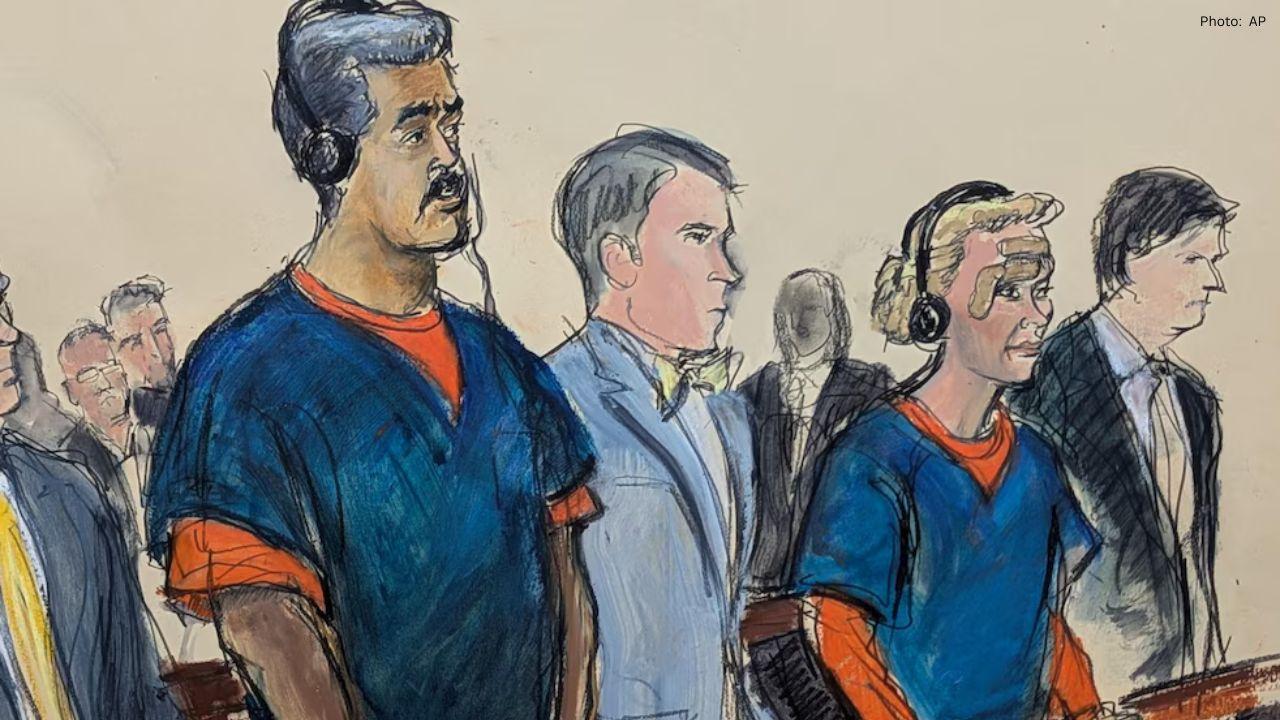
Maduro was taken into U.S. custody and brought to New York, where he appeared in court to face serious charges linked to drug trafficking and narco-terrorism. The U.S. government says the operation was legal and necessary. Officials argue that criminal groups operating from Venezuela pose a major threat and that the country had become a base for illegal activities harming international security.
President Donald Trump’s administration has said it considers drug cartels linked to Venezuela as unlawful combatants. Based on this view, the United States claims it is involved in an armed conflict with these groups. Officials say this gave them the legal right to carry out a military-style operation to capture Maduro and his wife, Cilia Flores.
At the United Nations, the reaction has been cautious and serious. Senior U.N. official Rosemary DiCarlo told the Security Council that global peace depends on all countries respecting the U.N. Charter. She warned that ignoring these rules could increase instability, not only in Venezuela but also across the world.
Many countries worry that such actions could set a dangerous example. If one nation can remove another country’s leader by force, others might feel justified in doing the same. This could weaken respect for national sovereignty and lead to more conflicts instead of fewer.
Supporters of the U.S. action argue that Maduro’s removal was needed to stop criminal networks and restore justice. Critics, however, say that even serious accusations do not give any country the right to act outside international law. They fear the return of a world where power decides what is right, rather than agreed rules.
The debate now goes beyond Venezuela. It raises a bigger question about the future of global order. Will nations continue to respect international law, or will strength and military power replace diplomacy and cooperation?
As Maduro’s case moves forward in court, the world is watching closely. The outcome will not only affect Venezuela but may also shape how countries act in future conflicts. The situation serves as a reminder that global peace relies on trust in shared rules—and once that trust is broken, it can be very hard to rebuild.


The Impact of Consistent Small Investments on Wealth Building
Discover how investing small amounts regularly can positively transform your financial future over t

7.5 Magnitude Earthquake Strikes Japan, Tsunami Alerts Issued
Japan experiences a hefty 7.5 quake, prompting tsunami alerts and safety measures. Stay updated on a

Reopening of the Strait of Hormuz: New Regulations to Impact Global Trade
Iran reopens the strategic Strait of Hormuz with new regulations affecting oil transport and global

Top 10 Must-See Attractions in NYC for First-Time Explorers
Discover essential experiences for first-time visitors to NYC, including attractions, culture, and i

Starbucks Engages Boyu Capital for Major Chinese Expansion
Starbucks teams up with Boyu Capital, selling a majority stake to boost growth and adapt to the Chin
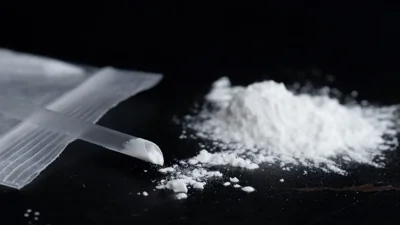
Three Individuals Charged in Massive Meth Trafficking Case in Malaysia
In Malaysia, a married couple and another suspect are charged with trafficking 510kg of meth, facing