Post by : Saif Nasser
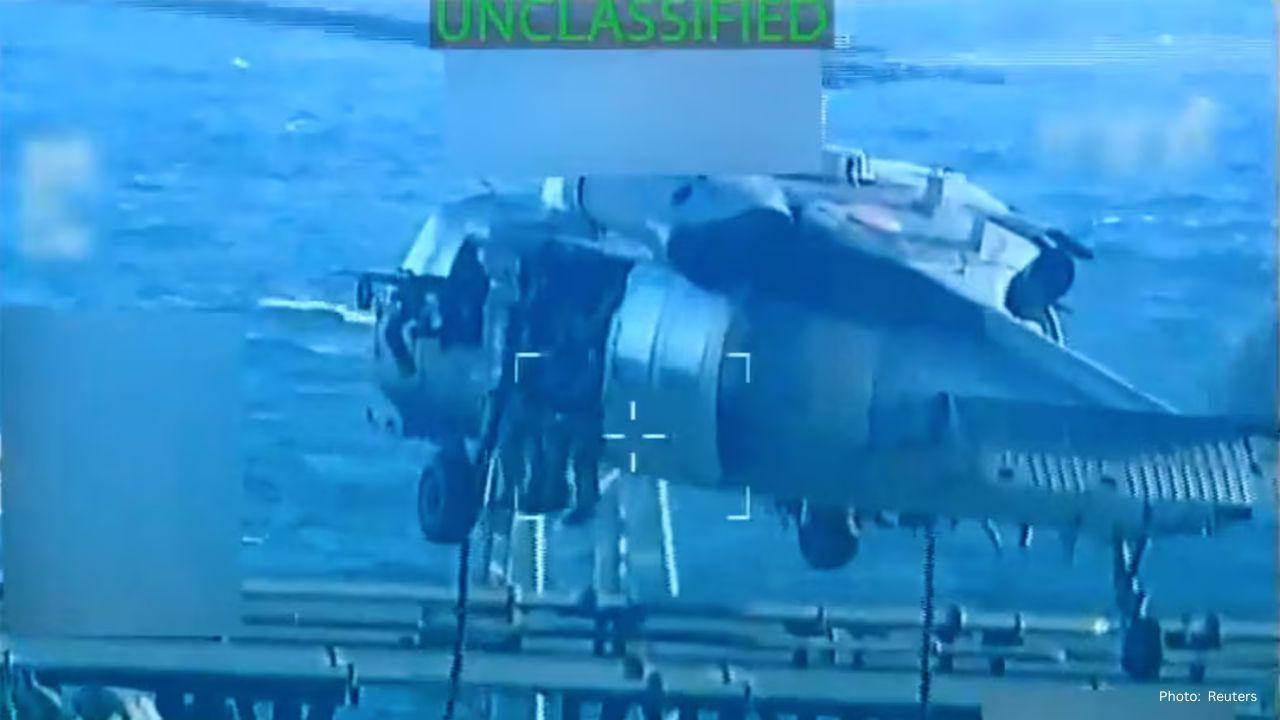
The United States is preparing to seize more oil tankers sailing from Venezuela, only days after U.S. forces took control of a ship off the Venezuelan coast. This new action marks a major escalation in Washington’s efforts to pressure President Nicolas Maduro and limit his government’s access to oil revenue.
The move has created shockwaves across global shipping routes and energy markets. Many shipowners and operators have paused their plans to load or transport Venezuelan crude, fearing that their vessels may be the next targets.
A New Phase in U.S. Pressure
According to six people familiar with the situation, the U.S. government is now assembling a list of additional tankers connected to sanctioned trade. The ship seized this week, named Skipper, is the first Venezuelan oil tanker ever intercepted by the United States. The operation happened as the U.S. expanded its military presence in the southern Caribbean and increased surveillance around Venezuela and nearby Guyana.
President Donald Trump has long pushed for the removal of Maduro, whom Washington accuses of corruption and human rights abuses. Seizing oil shipments is seen as a way to tighten financial pressure on his government, which depends heavily on crude exports for income.
Impact on Oil Shipments
The seizure has already disrupted Venezuela’s key export route to Asia. Shipments totalling nearly 6 million barrels of Merey crude — Venezuela’s main export grade — have been suspended. Tankers that had just been loaded are now stranded off the Venezuelan coast, waiting for clarity.
A trading executive said the decision was immediate and forced: “The ships were ready to sail to Asia. Now everything is on hold.”
Much of this trade involves what is known as the “shadow fleet,” a group of older tankers with unclear ownership that transport oil from sanctioned countries like Venezuela, Iran, and Russia to buyers such as China. One vessel may carry oil from multiple sanctioned nations on different voyages, making it harder for authorities to track and control.
U.S. Strategy: More Seizures Expected
The U.S. Treasury recently placed sanctions on six additional supertankers that loaded Venezuelan oil. It also sanctioned four Venezuelans, including three relatives of First Lady Cilia Flores. It is not yet known if these ships are also on the U.S. target list.
Officials say the Justice Department and Homeland Security have been planning these operations for months. U.S. forces are currently monitoring ships in Venezuelan ports and waiting for them to enter international waters before intervening. The seized Skipper is expected to be moved to a U.S. port for formal legal action and cargo seizure.
The timing of future seizures will depend on port availability and safety concerns. Many shadow fleet vessels are old, poorly maintained, and lack proper insurance, making them risky for major ports to accept.
Venezuela Calls It ‘Piracy’ — Experts Disagree
The Venezuelan government responded angrily, calling the seizure “international piracy.” But legal experts say the term does not apply. Piracy is defined as criminal action by private actors, not government operations carried out under a legal process. A specialist in maritime law explained that in this case, the U.S. seizure is not piracy under international law, even if Venezuela uses the word to express political outrage.
Maduro argues that the U.S. military buildup near his country is a sign of plans to overthrow him and take control of Venezuela’s large oil reserves. Washington denies this and insists it is targeting illegal oil trading and what it calls “black market financing” of rogue regimes.
A Region on Edge
The situation remains tense. U.S. forces have already carried out more than 20 strikes on suspected drug-trafficking vessels in recent months, killing over 80 people. Some experts say these strikes may be outside the bounds of international law. The U.S., however, claims they are necessary to protect Americans.
With more tanker seizures expected, both oil markets and diplomatic ties face more uncertainty. If Venezuelan exports are severely reduced, the country’s already struggling economy may face further collapse. Meanwhile, global oil supply routes could be disrupted on a larger scale.
This growing confrontation at sea shows how the struggle for political power in Venezuela is now spilling into international waters — and how the world’s oil trade may soon feel the impact.








Mattel Revives Masters of the Universe Action Figures Ahead of Film Launch
Mattel is reintroducing Masters of the Universe figures in line with its upcoming film, tapping into
China Executes 11 Members of Criminal Clan Linked to Myanmar Scam
China has executed 11 criminals associated with the Ming family, known for major scams and human tra
US Issues Alarm to Iran as Military Forces Deploy in Gulf Region
With a significant military presence in the Gulf, Trump urges Iran to negotiate a nuclear deal or fa

Copper Prices Reach Unprecedented Highs Amid Geopolitical Turmoil
Copper prices soar to all-time highs as geopolitical tensions and a weakening dollar boost investor

New Zealand Secures First Win Against India, Triumph by 50 Runs
New Zealand won the 4th T20I against India by 50 runs in Vizag. Despite Dube's impressive 65, India