Post by : Saif Nasser
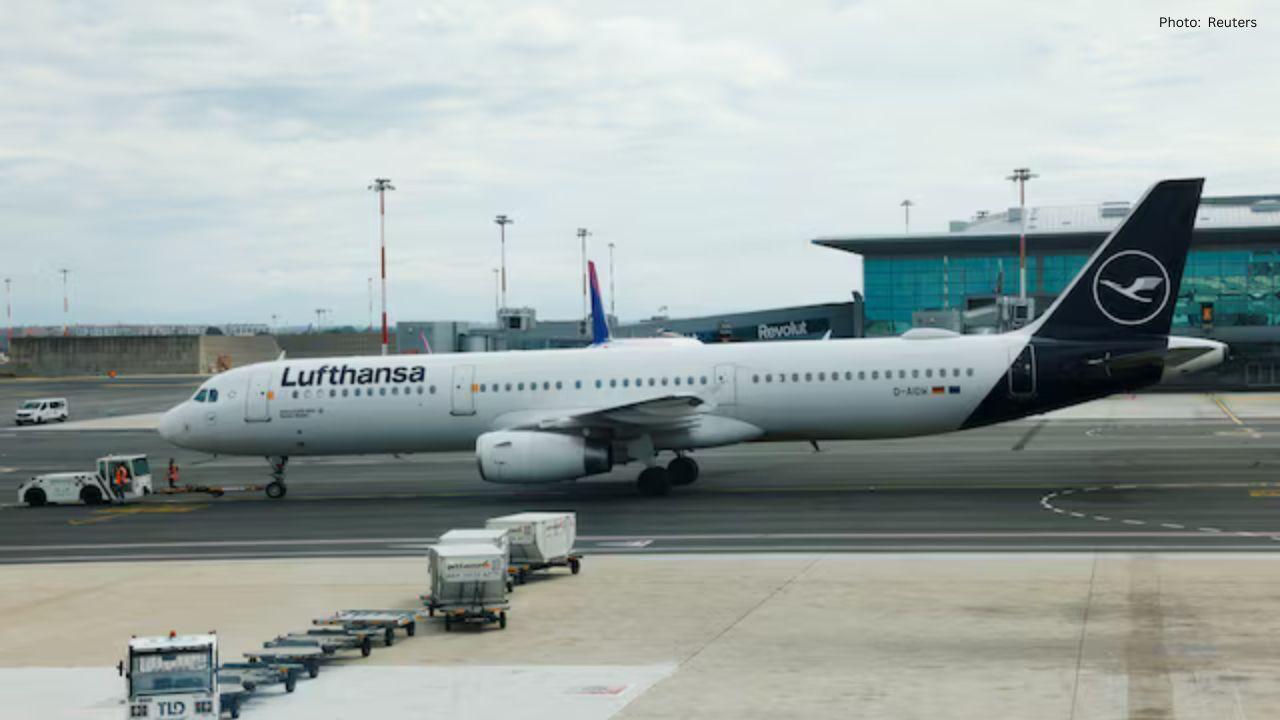
Lufthansa, Germany’s largest airline group, is trying to regain investor trust after years of weak performance. While the company says it is preparing for a strong turnaround starting in 2026, many investors remain cautious as the airline continues to lag behind its European competitors.
Chief Executive Carsten Spohr has led Lufthansa since 2014. During his time in charge, the airline’s share price has fallen by about one-third. Although there was a brief period of strong growth in 2017, the COVID-19 pandemic hit the company hard. Since then, Lufthansa has struggled to recover at the same pace as other major airlines in Europe.
For long-term investors, the results have been disappointing. Anyone who invested when Spohr became CEO would still be facing losses today, even after counting dividends. This poor performance has placed Lufthansa behind rivals such as IAG, which owns British Airways, and Air France-KLM.
In recent months, Lufthansa shares have risen by around 26%, showing some improvement. However, this gain is still smaller than those seen by its competitors. Shares of IAG and Air France-KLM have grown much faster, underlining Lufthansa’s ongoing challenges.
One of the biggest worries for investors is Lufthansa’s high operating costs and frequent labour disputes. These problems have hurt profits and reduced margins. Last year, the company’s operating margin fell sharply and remains well below that of its main rivals. Analysts expect only a modest improvement in the near future.
To tackle these issues, Lufthansa has announced cost-cutting plans. The airline aims to reduce administrative staff by about 4,000 jobs over five years and retire older aircraft to improve efficiency. Its long-term goal is to reach an operating margin of 8% to 10% by the end of the decade. While these plans sound promising, investors want to see clear progress.
Lufthansa also faces challenges due to its complex structure. The group operates several airline brands and manages six major hubs across Europe. This includes Italy’s ITA Airways and budget carrier Eurowings. Running such a large and diverse network adds pressure on costs and management.
External factors are adding to the strain. Demand for transatlantic travel has softened, affecting one of Lufthansa’s key markets. At the same time, aircraft delivery delays and tough negotiations with labour unions could slow down its recovery plans.
Lufthansa’s leadership says the company is now on the right track, but confidence remains fragile. After years of setbacks, investors are waiting for real and lasting improvement. The next few years will be critical in deciding whether Lufthansa can finally catch up with its European rivals or continue to fall behind.










Mattel Revives Masters of the Universe Action Figures Ahead of Film Launch
Mattel is reintroducing Masters of the Universe figures in line with its upcoming film, tapping into

China Executes 11 Members of Criminal Clan Linked to Myanmar Scam
China has executed 11 criminals associated with the Ming family, known for major scams and human tra

US Issues Alarm to Iran as Military Forces Deploy in Gulf Region
With a significant military presence in the Gulf, Trump urges Iran to negotiate a nuclear deal or fa

Copper Prices Reach Unprecedented Highs Amid Geopolitical Turmoil
Copper prices soar to all-time highs as geopolitical tensions and a weakening dollar boost investor

New Zealand Secures First Win Against India, Triumph by 50 Runs
New Zealand won the 4th T20I against India by 50 runs in Vizag. Despite Dube's impressive 65, India