Post by : Saif Nasser
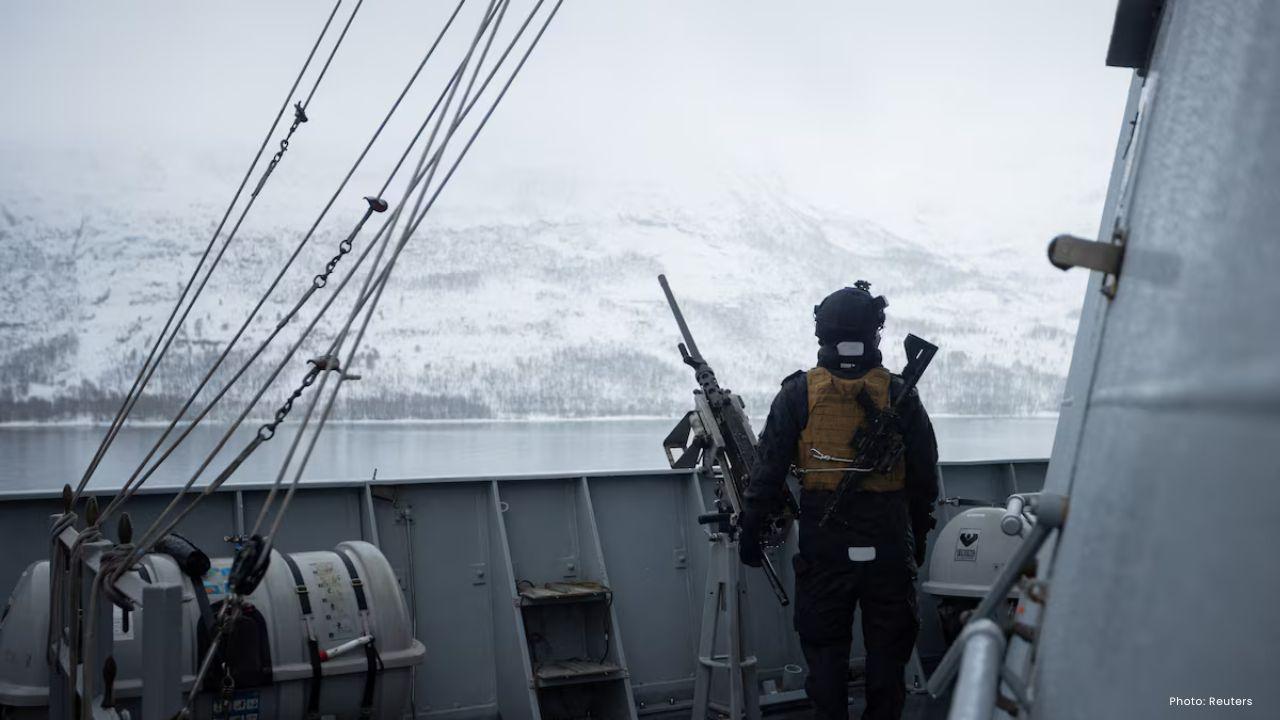
NATO has begun large military exercises in the Arctic region as part of efforts to strengthen defense readiness in northern Europe. The drills bring together thousands of troops from several countries, but this year the exercises have a special focus. Along with training soldiers, the program is also testing how civilians and public services would respond during a possible conflict.
The training exercise, called Cold Response, started on March 9 and will continue for several days across northern areas of Norway and Finland. Around 25,000 troops from 14 different countries are taking part in the drills. Military units from the United States, the United Kingdom, Germany, France, Canada, and other NATO members are participating.
The United States alone has sent around 4,000 troops to the region to take part in the exercises. Military equipment such as aircraft, naval ships, armored vehicles, and helicopters are also involved in the training activities.
These exercises are designed to test how well NATO forces can operate in extreme Arctic conditions. The region is known for its freezing temperatures, deep snow, and difficult terrain. Training in such conditions helps soldiers prepare for real situations where weather and geography can make military operations challenging.
However, the latest drills are not only about military strength. NATO leaders say the exercises are also meant to test how civilian systems would function during a conflict. This includes hospitals, emergency services, transportation networks, and local government agencies.
One example being tested during the drills involves hospitals in Norway preparing to treat large numbers of injured soldiers arriving from a simulated battlefield in Finland. Medical staff are practicing how they would manage emergency situations if a major conflict were to take place.
Officials describe this approach as “total defence.” The idea is that modern security challenges affect entire societies, not just the military. In a serious crisis, civilians, businesses, and public services may all need to support national defense efforts.
Norway has even declared 2026 as the “year of total defence.” The government wants to ensure that key services such as healthcare, communication, transportation, and food supply can continue operating even during major emergencies.
The Arctic region has become more important in global politics over the past decade. As climate change causes ice to melt in some areas, new sea routes are slowly opening. These routes could become important for global trade in the future.
The region is also believed to contain large reserves of natural resources such as oil, gas, and minerals. Because of this, several countries have shown growing interest in the Arctic.
Security concerns have also increased as military activity in the region grows. Russia has expanded its presence in the Arctic by reopening old military bases and increasing patrols in northern waters. NATO countries say their exercises are meant to ensure they remain prepared in case tensions rise.
Military experts say exercises like Cold Response allow soldiers from different nations to train together and improve coordination. In modern defense systems, countries often work together during security operations, so joint training helps improve communication and teamwork.
At the same time, NATO officials say the goal of such exercises is not to create conflict but to prevent it. By showing readiness and strong cooperation among allies, military alliances hope to discourage aggression and maintain stability.
The inclusion of civilian systems in the drills reflects how modern conflicts can affect everyday life. Wars and security crises can disrupt transportation, healthcare, energy supply, and communication networks.
For this reason, governments are placing greater emphasis on building resilient societies that can continue functioning even during difficult situations.
The Arctic drills highlight how security planning is changing in the modern world. Preparedness now goes beyond armies and weapons. It also involves communities, institutions, and citizens working together to handle emergencies.
As global tensions and environmental changes continue to reshape the Arctic region, military and civilian cooperation will likely become an even more important part of defense planning in the years ahead.






Mattel Revives Masters of the Universe Action Figures Ahead of Film Launch
Mattel is reintroducing Masters of the Universe figures in line with its upcoming film, tapping into

China Executes 11 Members of Criminal Clan Linked to Myanmar Scam
China has executed 11 criminals associated with the Ming family, known for major scams and human tra
US Issues Alarm to Iran as Military Forces Deploy in Gulf Region
With a significant military presence in the Gulf, Trump urges Iran to negotiate a nuclear deal or fa

Copper Prices Reach Unprecedented Highs Amid Geopolitical Turmoil
Copper prices soar to all-time highs as geopolitical tensions and a weakening dollar boost investor

New Zealand Secures First Win Against India, Triumph by 50 Runs
New Zealand won the 4th T20I against India by 50 runs in Vizag. Despite Dube's impressive 65, India