Post by : Saif Nasser
Bangladesh has taken strong emergency steps to deal with a growing energy crisis. The government has decided to close universities across the country and limit the amount of fuel people can buy each day. These actions come as global energy supplies are disrupted by the ongoing conflict involving Iran in the Middle East.
The crisis shows how conflicts in one part of the world can affect countries thousands of miles away. Bangladesh depends heavily on imported fuel to run its power plants, vehicles, and industries. When global energy supplies are disturbed, the country quickly feels the impact.
Officials say all public and private universities have been closed starting this week. The government brought forward the Eid al-Fitr holiday break to reduce electricity use on campuses. University buildings, laboratories, and student hostels require large amounts of power, and closing them temporarily will help reduce pressure on the national power grid.
The government has also asked English-medium schools and private coaching centers to stop classes during this period. This step is part of a broader effort to reduce electricity consumption across the country.
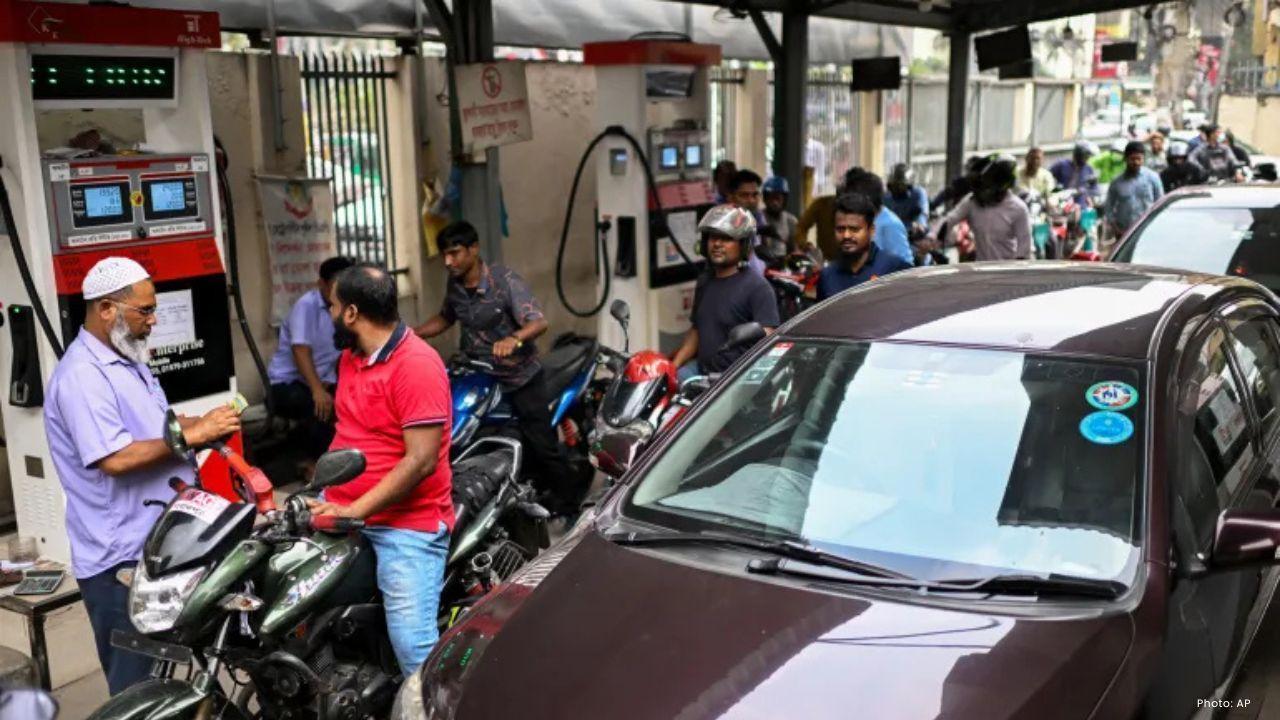
At the same time, authorities have introduced daily limits on fuel sales at petrol stations. The restrictions were announced after panic buying began as people feared shortages. Officials want to prevent hoarding and ensure that fuel supplies are shared fairly among citizens.
Bangladesh faces this challenge because it imports almost all of its energy needs. About 95 percent of the country’s fuel comes from abroad, making it highly sensitive to changes in global markets.
The conflict in the Middle East has pushed oil and gas prices higher and disrupted shipping routes that carry energy supplies around the world. Some oil and gas shipments have been delayed or reduced, creating uncertainty in the global market.
As the crisis grows, Bangladesh is also dealing with shortages of natural gas. Gas supplies are important for both electricity production and fertilizer manufacturing. Due to limited gas availability, four out of the country’s five state-run fertilizer factories have stopped operating for now. The available gas is being redirected to power plants to prevent widespread electricity outages.
To manage the situation, the government has started buying liquefied natural gas (LNG) from the international spot market. However, these purchases are more expensive than long-term contracts, which means the country may face higher energy costs in the coming months.
Government officials say the emergency measures are necessary to protect the power system and keep essential services running. By lowering electricity demand and controlling fuel consumption, authorities hope to stabilize the situation until global energy supplies improve.
The crisis is also affecting daily life for many people. Students must pause their studies while campuses remain closed, and drivers must adjust to limits on fuel purchases. Businesses that depend on steady energy supplies are also facing uncertainty.
Experts say this situation highlights the risks faced by countries that rely heavily on imported fuel. When global conflicts or supply disruptions occur, energy-dependent nations can experience serious economic pressure.
The events also show how closely the world’s economies are connected. A war in the Middle East can quickly influence fuel prices, electricity supply, and economic stability in countries across Asia and beyond.
For Bangladesh, the coming weeks will be important. The government will continue monitoring energy supplies and global market conditions. If the conflict continues to affect oil and gas shipments, more emergency measures may be needed.
For now, the country’s leaders are asking citizens to conserve energy and avoid panic buying. Cooperation from the public will play a key role in helping Bangladesh manage this difficult period.
The situation is a reminder that energy security has become one of the most important challenges for many developing countries. Ensuring stable and affordable energy supplies will remain a major priority in the years ahead.






DAE Achieves Remarkable Growth in Q1 2026 With Record Revenue
Dubai Aerospace Enterprise announces impressive financial results for Q1 2026, reflecting a surge in

Price Increase for Sony PS5 in Southeast Asia Effective May 1
Sony announces a price increase for the PS5 across Southeast Asia starting May 1, 2026, impacting ga

Potential ‘Super El Niño’ in 2026: Understanding the Climate Risks
Could a Super El Niño emerge in 2026? Discover its implications and potential global climate impacts

Global Energy Crisis Intensifies: Markets React to Oil Supply Challenges
Markets are on edge as oil disruptions escalate, influencing prices and economic stability. Explore

Must-See Tourist Spots in London You Can't Overlook
Explore London's essential attractions, from royal landmarks to vibrant markets, ensuring an unforge

Ultimate Guide to Snagging Cheap Flights in 2026
Unlock the secrets to booking affordable flights in 2026 with insightful tips and strategies tailore




